How to Manage Glaucoma and Live Well Every Day?
- By Centre For Sight
- 7 minutes
|
Key Takeaways?
|
Getting a glaucoma diagnosis can feel like your future vision is out of your control, but it isn't.?
The hard part is that early damage happens quietly, so many people feel fine even while the optic nerve is under stress.?
In this blog, you'll learn how to manage glaucoma with clear routines, understand your options for glaucoma treatment, and protect your quality of life.
What is Glaucoma?
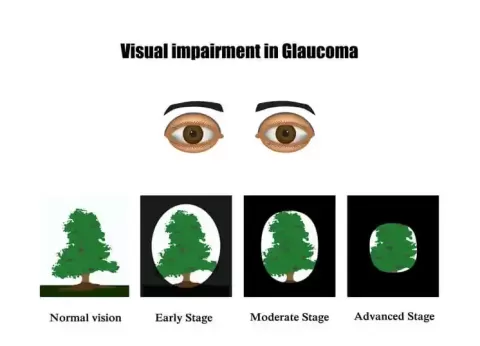
Glaucoma is a group of eye diseases that damage the optic nerve, and any vision loss from that damage can't be reversed.
Many people don't notice changes early, which is why regular eye exams and follow-ups become a big part of living well with glaucoma. The National Eye Institute says there's no cure, but early treatment can stop the damage and protect vision.
Glaucoma Symptoms
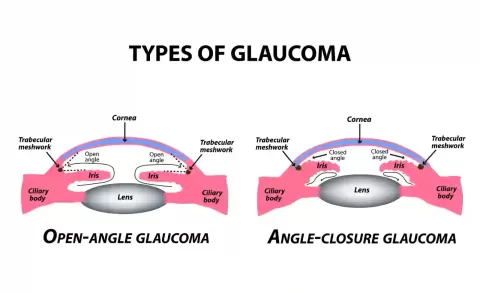
This is the most confusing part for most families: glaucoma can be serious even when the eyes don't hurt. The American Academy of Ophthalmology explains that open-angle glaucoma has no warning signs early, and vision changes start slowly in side vision.
At the same time, a different type, angle-closure glaucoma, can be sudden and painful and needs emergency care.
|
Type |
How does it feel? |
Symptoms |
Urgency |
|
Open-angle glaucoma |
Quiet and gradual |
None early; later, side vision loss |
Needs treatment, but not an ?ER attack? |
|
Angle-closure glaucoma |
Sudden and intense |
Severe eye pain, red eye, blurred vision, nausea |
Emergency |
Can Glaucoma Be Cured?
The direct answer to can glaucoma be cured is: not yet. The National Eye Institute is clear that there's no cure, but early treatment can stop damage and protect vision.?
Damage can't be reversed, but treatment and regular checkups can slow or prevent further vision loss, but here's the hopeful part: patients with proper treatment, which is most people with glaucoma won't go blind.
Glaucoma Treatment Options
|
Step |
Method |
Purpose |
What should you expect? |
|
1 |
Eye drops |
Lower eye pressure |
Long-term routine, not a short course |
|
2 |
Laser (like trabeculoplasty) |
Improve fluid drainage |
Outpatient; follow-ups still needed |
|
3 |
Surgery / implants |
Create/assist a new drainage path |
Used when pressure control needs more help |
Many people think it's ?drops or nothing.? In reality, glaucoma treatment is a step-by-step plan to reduce eye pressure and protect the optic nerve. The core options as prescription drops, oral medicines, laser treatment, surgery, or a combination.
Family medicine guidance also emphasizes that lowering intraocular pressure is the only approach proven to stop or slow progression in primary open-angle glaucoma.
How To Manage Glaucoma Day To Day?
This is the core of living a full life: most of the success comes from small repeatable habits.?
The Glaucoma Research Foundation notes that with early detection and modern treatments, blindness from glaucoma is relatively uncommon, so your daily consistency matters more than fear.
1.Make your eye drops a ?non-negotiable? routine
Glaucoma has no pain early, so people skip drops when they feel fine, then damage quietly progresses. Research repeatedly links poor adherence with worse outcomes and progression.?
A simple system that works in real life:
- Tie drops to fixed anchors: brushing teeth, breakfast, dinner
- Use phone alarms with labels (not just a generic alarm)
- Keep a backup bottle in your work bag for missed doses
2. Use the correct drop technique
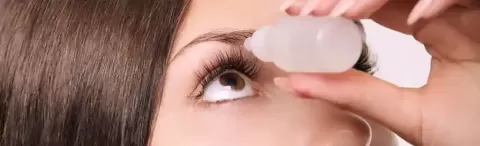
Many people waste drops by blinking hard or letting them drain into the nose. Reviews recommend eyelid closure or nasolacrimal occlusion (pressing the inner corner near the nose) to improve eye absorption and reduce systemic absorption.?
Simple steps:
- Wash hands
- One drop in the pocket of the lower lid
- Close the eye gently
- Press the inner corner near the nose for a couple of minutes. This small habit can reduce side effects and make each bottle last longer.
3. Don't skip follow-ups even when everything feels ?stable?
Glaucoma changes are too slow to notice day to day, so follow-ups are how you catch drift early. The only way to know if you have glaucoma is a comprehensive dilated eye exam, and ongoing monitoring is part of protecting vision.
4. Build a ?life-proof? plan for travel, work, and busy days
This is where most people slip, so planning helps more than motivation.
- Keep a small ?glaucoma kit?: drops, tissues, a spare prescription, sunglasses.
- Store drops medicine the way your label says as some need specific cold storage.
- If you miss a dose, don't double-dose without asking your doctor, just get back on track with the next drop.
5. Bring your family into the loop
Glaucoma risk runs in families. Family history as a key risk factor and advises people at higher risk to ask how frequently they need eye exams. A simple step is to encourage parents/siblings to get checked, especially if they're over 40?60.
Living Fully With Glaucoma: Work, Screens, Exercise, and Stress
This section matters because people over-restrict their life after diagnosis. The goal is not to stop living, it's to live with a better structure.
Work and screens - Screens don't ?cause glaucoma,? but they can make eyes feel tired or dry, which can feel scary when you already have a diagnosis. Use basic screen hygiene like breaks, blinking, lighting, and if dryness is frequent, ask your doctor what's safe.
Exercise and general health - Many doctors encourage overall fitness because blood pressure, diabetes, and sleep quality affect overall health and can complicate eye care.?
If you're starting a new intense routine or doing long head-down positions, it's smart to check with your ophthalmologist so your plan matches your glaucoma type and pressure control.
Stress and support - A support system helps adherence. The doctors also emphasize the value of patient education and support to stay consistent with long-term care.
When To Seek Urgent Care?
This is the ?don't wait? moment. Sudden symptoms can signal angle-closure glaucoma, which needs emergency treatment. Seek care right away for intense eye pain, nausea, red eye, and blurry vision.
Conclusion
Living a full life with glaucoma is realistic when you treat it like a long-term routine, not a daily fear. ?
While can glaucoma be cured is still ?no,? early care can stop damage and protect vision, and most people won't go blind with proper treatment.
If you want a practical starting point today, set a drop routine you can't forget, and book your next review before you leave the clinic so how to manage glaucoma stays easy, even on busy weeks.
FAQs
What are the most common glaucoma symptoms?
Many people don't notice early glaucoma symptoms, especially in open-angle glaucoma, and side vision loss can appear slowly over time. Sudden severe eye pain, red eye, blurry vision, and nausea can point to angle-closure glaucoma and need emergency care.
What is the best glaucoma treatment to stop vision loss?
The best glaucoma treatment to stop vision loss is lowering eye pressure which can include drops, laser, surgery, or a combination depending on your case.
Can glaucoma be cured permanently?
No, glaucoma cannot be cured permanently yet, but early treatment can stop further damage and protect vision.?
How can I improve adherence when learning how to manage glaucoma?
To improve adherence when learning to manage glaucoma, use fixed daily anchors like phone reminders, and correct drop technique like nasolacrimal occlusion.?
When should I go to the ER for glaucoma symptoms?
You should go to the ER for glaucoma symptoms like severe eye pain, red eye, sudden blurred vision, halos, and headache with nausea or vomiting.

Could not find what you are looking for?


