Eye Specialists Near You
Discover top-rated eye specialists close to you.
-
+ Years Of Experience -
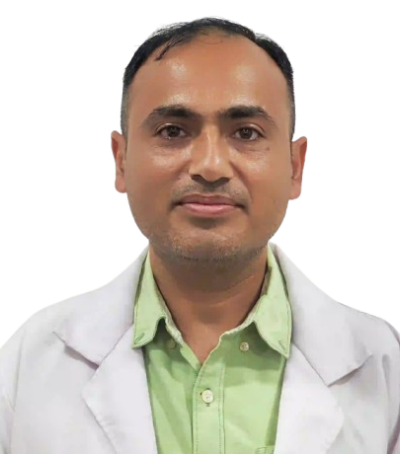
MBBS | DOMS | MS, Fellowship in Vitreo - Retinal Surgery
Dr. Hrishikesh Tadwalkar
Specialities
Oculoplasty Treatment Book An Appointment+ Years Of Experience -
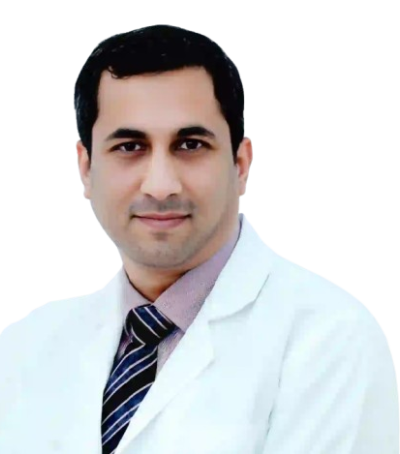
M.S | DNB | F.P.O.C
Dr. Mihir Kothari
Specialities
PEDIATRIC SURGEON, Squint Eye Treatment Book An Appointment+ Years Of Experience -
+ Years Of Experience -
M.B.B.S | D.O | M.S.
Dr. Siddharth V Mehta
Specialities
Cataract Surgery, Lasik Surgery Book An Appointment+ Years Of Experience -
+ Years Of Experience -
DNB | MNAMS | FRCS (Glasgow) | FICO (Germany)
Dr. Hetal Shah
Specialities
General Ophthalmology Book An Appointment+ Years Of Experience -
+ Years Of Experience -
M.S | D.O.M.S | FMRF (MADRAS)
Dr. Haresh T Asnani
Specialities
Cataract Surgery, Surgical Retina Book An Appointment+ Years Of Experience -
M.B.B.S | M.S | D.N.B | FVRS
Dr. Shreyansh Doshi
Specialities
Surgical Retina, UVEITIS Book An Appointment+ Years Of Experience -
2+ Years Of Experience -
+ Years Of Experience
Pagination
Our Story and Vision
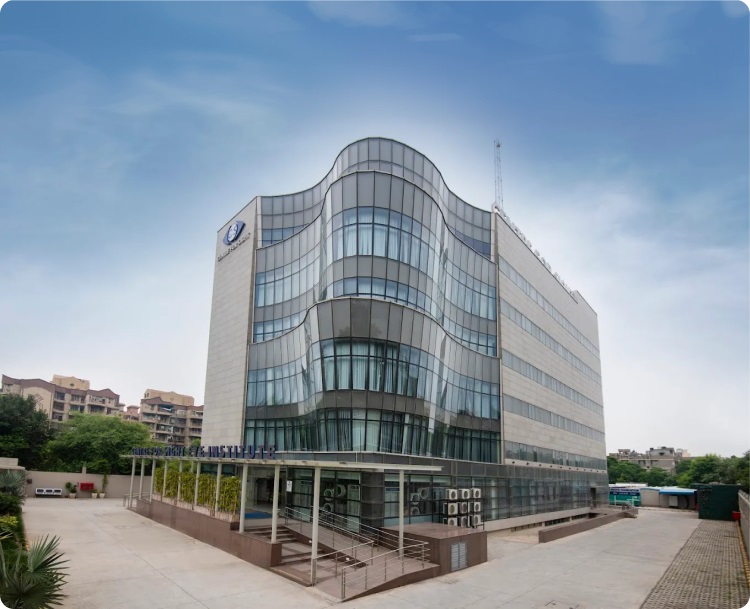
Founded in 1996 by Prof. Dr. Mahipal S. Sachdev, Centre for Sight is committed to eliminating preventable blindness in India through world-class eye care. With over 350 renowned doctors and 95+ centers across India, including North India's largest private eye institute in Dwarka, Delhi, we offer advanced, patient-centric solutions. Our services cover a wide range of eye care, from general eye check-ups to complex surgeries, using the latest technology. We are committed to providing affordable eye care for all, making high-quality treatment accessible. NABH accredited and trusted by top public and private sectors, we deliver cutting-edge technology and exceptional care to enhance lives through better vision.
Pagination
- Previous page ‹‹
- Page 6
Why Choose Centre For Sight?
Eye Care
SpecialistsAdvanced
TechnologyComprehensive
ServicesPatient-
Centered Care
Frequently Asked Questions
The procedure typically takes less than 5 minutes per eye.
No, the procedure is virtually painless due to numbing eye drops.
Most patients can resume their normal activities within a few days, although this may vary depending on individual healing processes.
SmartSurf LASIK has a success rate of over 98%, with most patients achieving 20/20 vision or better.
Side effects are minimal and temporary, including dry eyes, mild discomfort, and night glare, which resolve as the eyes heal.
Costs vary by case complexity. Contact Centre For Sight for accurate pricing and financing options.
Book through the website, call our toll-free number 011-4250-4250 or visit the nearest Centre For Sight hospital.
SILK and Contoura Vision are both advanced refractive surgeries offering high precision and crystal clear vision, however, SILK holds an upper hand as it is a flapless procedure with better recovery, compared to Contoura Vision. It also provides long-term stable results with no chances of flap-related complications or side effects, such as dry eyes.
It is available at an affordable price of 1,30,000 for both eyes, though the price may vary based on the patient’s prescription, surgeon’s experience, and the complexity of the surgery.
Yes, the results of SILK procedure last a lifetime, however, after 40-45yrs of age, individuals may require reading glasses.
Yes, Patients’ age must lie between 18-40 yrs along with stable power from the last six months to undergo SILK Surgery.
At Centre For Sight, laser eye surgery starts from an affordable cost of 20,500 per eye, though it may vary based on the patient’s prescription, type and complexity of the surgery.
SILK can be combined with other procedures like ICL depending on the need of the patient. The suitability for the same is best discussed with your doctor.
The SILK procedure, is an advanced refractive (spectacle removal) laser procedure currently considered as the latest among all available refractive surgeries. It uses the advanced Elita machine introduced by J&J Vision, specifically designed to correct myopia (nearsightedness) and astigmatism.
The SILK Procedure is the safest among all spectacles removal procedures as it uses advanced second generation Femtosecond laser that emits ultra fast and precise laser shots, that minimizes risks as well as enhances the patient’s comfort. However, as with any surgical procedure, there may be potential risks and complications that should be discussed with your ophthalmologist.
Yes, an individual usually undergoes the SILK procedure on both eyes during a single session.
As suggested, one can resume using digital devices or reading within 1-2 days after the SILK eye surgery.
LASIK and SILK are both well-known refractive surgeries and have their own advantages; while LASIK is an old traditional method, on the other hand, SILK is the latest flapless and bladeless laser vision correction method.
Many retinal diseases can be treated or managed with treatments like laser therapy, medications, or surgery, depending on the condition. Early detection improves the chances of successful treatment.
SILK stands for smooth incision lenticule keratomileusis (a flapless procedure) and reshapes the cornea via lenticule extraction, a flapless procedure to correct common refractive errors like myopia (nearsightedness) and astigmatism.
Retinal impairment refers to any damage or dysfunction in the retina that can affect vision. This includes conditions like retinal tears, detachment, or macular degeneration and diabetic retinopathy.
People with specific eye conditions like history of glaucoma might not be eligible to undergo the SILK surgery, but a thorough evaluation by your ophthalmologist is essential to determine the eligibility after assessing your medical history. Patients with progressive cataract should opt for cataract surgery for spectacle removal.
Patients who went through SILK procedure can avoid direct exposure to sunlight and bright lights for the 1st day or two days. They can wear sunglasses to protect their eyes from harmful UV rays and dust for a few days.
Uveitis treatment often involves corticosteroids (eye drops, injections, or oral medications) to reduce inflammation. In severe cases, immunosuppressants or surgery may be required.
Yes, SILK eye surgery corrects cylinder power (astigmatism) up to 6D.
The most common cause of uveitis is autoimmune diseases, such as rheumatoid arthritis or lupus, where the body’s immune system attacks healthy tissue, including the eye.
After the SILK Procedure, it is advisable to avoid swimming or participating in any water-related activities for a minimum of 2-4 weeks to minimize complications. Our eye specialists will offer guidance on when it’s appropriate to resume such activities.
The SILK procedure addresses refractive issues like myopia (nearsightedness) up to -12D and astigmatism up to 6D. However it does not have the capability to correct hyperopia or “plus” powers.
The SILK procedure is well-known for its rapid recovery feature. Most patients can resume their work and normal activities within 24 hours after undergoing it; however prior consultation with your surgeon for a complete recovery is essential.
Though there are no strict restrictions on exposure to sunlight or room light after the SILK surgery, it is advisable that one must wear sunglasses during outdoor visits to protect your eyes from dust as well as harmful UV rays for a few days/weeks.
Yes, you can wear contact lenses but since the SILK surgery offers 6/6 vision acuity, you won’t require to wear contact lenses; however, if you want to wear coloured lenses for fashionable purposes, you can do so a few weeks after the procedure. It is suggested to consult with your eye surgeon to get the best guidance on when it’s safe to wear contact lenses and which type of contact lenses will be suitable.
Yes, PresbyMAX is considered a safe and effective procedure as it is performed on one of the fastest yet safest lasers – SCHWIND AMARIS 1050RS.
The actual laser ablation takes only a few seconds per eye, and the entire procedure is typically completed within a few minutes.
Most patients experience rapid visual improvement and can resume daily activities within a day or two. Full visual stabilization and neuroadaptation usually occur over several weeks to a few months.
The goal of PresbyMAX is to significantly reduce or eliminate your dependence on reading glasses and often glasses for distance vision as well. While most patients achieve excellent spectacle independence for daily activities, some may occasionally use weak glasses for very fine print or specific tasks in challenging lighting conditions.
Absolutely. PresbyMAX is designed to simultaneously correct myopia, hyperopia, and astigmatism along with presbyopia, making it a comprehensive vision correction solution.
PRK eye surgery is a type of PRK laser eye surgery that reshapes the cornea to correct vision without creating a flap, helping reduce dependence on glasses or contact lenses.
Yes, PRK surgery is a safe and clinically proven procedure when performed after proper evaluation and with advanced laser technology.
PRK eye surgery is not painful during the procedure due to numbing drops, but mild discomfort may be experienced during the initial recovery phase.
PRK laser eye surgery usually takes about 10–15 minutes for both eyes, with the laser treatment lasting only a few minutes per eye.
PRK surgery recovery time is typically a few days for initial healing, with vision improving over 1–2 weeks and stabilizing over a few weeks.
You may be eligible for PRK eye surgery if you have stable vision, healthy corneas, and are not suitable for flap-based procedures like LASIK.
Common PRK surgery side effects include temporary blurred vision, light sensitivity, mild discomfort, and dryness, which improve during healing.
PRK surgery may be better for patients with thin corneas or active lifestyles, while LASIK offers faster recovery; eligibility depends on eye condition.
Most patients achieve reduced dependence on glasses after PRK laser eye surgery, though some may need them for specific tasks.
Results of PRK eye surgery are long-lasting, especially when vision is stable before the procedure and proper care is followed.
PRK eye surgery cost in India typically ranges between ₹30,000 to ₹40,000, depending on technology, clinic, and surgeon expertise.
Yes, PRK eye surgery provides permanent vision correction by reshaping the cornea, though natural age-related changes may still occur over time.
Yes, PRK laser eye surgery is usually performed on both eyes in the same session for convenience and balanced vision correction.
Most patients can resume basic work within 4–7 days after PRK surgery, depending on comfort and visual recovery.
PRK eye surgery is suitable for mild to moderate refractive errors. For very high power, other options may be recommended based on evaluation.
Risks and complications associated with oculoplasty may include infection, bleeding, scarring, eyelid asymmetry, dry eyes, or damage to nearby structures. These risks are minimized when the surgery is performed by an experienced surgeon.
Common procedures in oculoplasty include blepharoplasty (eyelid surgery), ptosis repair, dacryocystorhinostomy (DCR), orbital decompression, and eyelid tumor excision.
Oculoplasty focuses specifically on surgeries related to the eyes and their surrounding structures, while plastic surgery encompasses a broader range of aesthetic and reconstructive procedures for the entire body.
Oculoplastic surgeons treat conditions affecting the eyelids, tear ducts, eye sockets, and surrounding facial structures.
Oculoplastic surgery is generally safe when performed by a qualified and experienced surgeon in a reputable medical facility.
Oculoplastic surgery is typically not very painful, and discomfort can be managed with pain medications prescribed by the surgeon.
Oculoplasty is a cosmetic procedure of the eye and its associated structures, performed to correct problems like eyelid malposition, problems with the orbit of the eye, tear drainage problems, eye cancer, and problems with the eyebrows.
Oculoplasty commonly addresses cosmetic concerns related to the eyes and surrounding areas, like droopy eyelids (ptosis), under-eye bags, wrinkles, excess skin, and tear trough deformities.
Recovery time after oculoplasty varies for individuals but usually there is swelling and bruising for the first 1-2 weeks but full recovery takes weeks to months. Adhering to post-operative care is crucial for healing.
The cost of Oculoplastic surgery varies depending on the specific procedure, the location of the hospital or clinic, the experience of the surgeon, and other vital factors. At Centre For Sight, it starts from 12000 only; the exact cost would be determined after the proper examination of your eye.
The results of oculoplasty last for a lifetime, though it depends upon the individual’s eye health, complexity of the surgery, and part of the eye where surgery is performed. In case of any concerns, one must consult an eye surgeon immediately.
Yes, oculoplasty can correct the bulging eyes.
Yes, depending upon the specific needs of the patients, oculoplasty can be combined with other eye surgeries to address multiple issues and achieve comprehensive outcomes. Surgeries that can be combined with oculoplasty are cataract or strabismus.
The results of oculoplasty are typically long-lasting, but individual outcomes may vary depending on factors like the specific procedure, patient’s health, and lifestyle factors.
Suitable candidates for oculoplasty include individuals with eyelid malpositions, tear duct abnormalities, orbital tumors, or cosmetic concerns related to the eyes and surrounding structures.
Oculoplasty addresses conditions like droopy eyelids (ptosis), eyelid tumors, tearing disorders, orbital fractures, and thyroid eye disease.
Oculoplasty refers to surgical procedures that involve improving the function and appearance of the eyes and surrounding structures.
The cost of oculoplastic surgery in India varies based on factors like the procedure complexity, surgeon’s experience, and hospital fees. Generally, it starts from INR 15,000.Oculoplasty refers to surgical procedures that involve improving the function and appearance of the eyes and surrounding structures.
Recovery from oculoplasty varies depending on the specific procedure but can take several weeks for swelling and bruising to subside.
Yes, oculoplasty can correct droopy eyelids.Recovery from oculoplasty varies depending on the specific procedure but can take several weeks for swelling and bruising to subside.
No, there are no age restrictions for oculoplastic procedures; however, the suitability of the surgery depends on individual cosmetic concerns. One must consult with an oculoplastic surgeon before arriving at the final decision.Yes, oculoplasty can correct droopy eyelids.Recovery from oculoplasty varies depending on the specific procedure but can take several weeks for swelling and bruising to subside.
Oculoplasty is developed for enhancing aesthetics, not correcting vision problems. Vision issues are addressed by other surgeries like refractive, cataract, and retina surgeries.No, there are no age restrictions for oculoplastic procedures; however, the suitability of the surgery depends on individual cosmetic concerns. One must consult with an oculoplastic surgeon before arriving at the final decision.Yes, oculoplasty can correct droopy eyelids.Recovery from oculoplasty varies depending on the specific procedure but can take several weeks for swelling and bruising to subside.
Yes, oculoplasty can cure tear duct issues by addressing the underlying cause.
Oculoplastic surgery is used to treat conditions ranging from drooping eyelids and blocked tear ducts to orbital fractures and tumors of the eye.
Possible risks that might come along with oculoplasty or cosmetic surgery are noticeable scarring, dry eyes, irritation, bleeding, infection, skin discoloration, injury to eye muscles, temporary blurred vision, bleeding behind the eye, or unnatural looking eyes.
Full recovery after oculoplastic surgery takes weeks to months; however, resuming normal day to day activities can be done in 5 to 10 days after your surgery.Possible risks that might come along with oculoplasty or cosmetic surgery are noticeable scarring, dry eyes, irritation, bleeding, infection, skin discoloration, injury to eye muscles, temporary blurred vision, bleeding behind the eye, or unnatural looking eyes.
People undergo oculoplasty to address functional issues like drooping eyelids, blocked tear ducts, or excessive tearing, as well as for cosmetic eye surgery to rejuvenate their appearance or reconstruct eye structures after trauma or disease.
Blepharoplasty is a type of oculoplastic surgery explicitly focused on improving the appearance or functionality of the eyelids. At the same time, oculoplasty is a broader term that includes surgeries addressing the eyelids, tear ducts, eye sockets, and surrounding structures.
Retinoblastoma is a rare type of eye cancer in children that primarily affects those under five years old.. It occurs when retinal cells grow uncontrollably due to genetic changes, forming a tumor. If left untreated, it can lead to partial or complete blindness.
Retinoblastoma is diagnosed through a comprehensive eye examination, which may include dilated eye exams, imaging tests like ultrasound or MRI, and biopsy of the tumor tissue for confirmation.
Retinoblastoma is curable, especially when detected early. Treatment options include chemotherapy, radiation therapy, laser therapy, or surgery.
Yes, there are two main types of retinoblastoma patients:
Unilateral: Affecting one eye
Bilateral: Affecting both eyes. Bilateral cases are often hereditary and associated with a higher risk of other family members being affected
Regardless of the type, it’s crucial to consult with an eye specialist for accurate diagnosis and personalized treatment plans.
If a child has a heritable form of retinoblastoma, then regular check-up for the kid becomes vital. If the child is screened carefully, then early detection can help treat the condition successfully.
Infection, bleeding, and implant-related complications are risks related to retinoblastoma surgery which involves removal of the affected eye.
Enucleation is surgery in which the patients diseased eye is completely removed. During enucleation, the eye muscles and associated orbital contents are left untouched.
Retinoblastoma occurs mostly in children under the age of six. About forty percent of cases of retinoblastoma are inherited. Regular eye checkups for your child can help massively as retinoblastoma treatment can be more effective if the disease is detected early on.
Possible side-effects of chemotherapy are hair loss, loss of appetite, constipation, fatigue, mouth sores, vomiting, and bleeding.
The life expectancy of retinoblastoma depends on factors like the stage of the cancer, response to treatment, and whether it has spread to other parts of the body. With prompt and effective treatment, the prognosis is generally favorable.
The main cause of retinoblastoma is genetic mutations that occur in the cells of the retina.The life expectancy of retinoblastoma depends on factors like the stage of the cancer, response to treatment, and whether it has spread to other parts of the body. With prompt and effective treatment, the prognosis is generally favorable.
Retinoblastoma is treated through a combination of methods, including surgery (enucleation), chemotherapy, laser therapy, and cryotherapy. Treatment plans are tailored based on factors such as the extent of the disease, and early detection significantly improves prognosis. A multidisciplinary approach involving specialists, supportive care, genetic counseling, and long-term monitoring are essential components of the treatment process.The main cause of retinoblastoma is genetic mutations that occur in the cells of the retina.The life expectancy of retinoblastoma depends on factors like the stage of the cancer, response to treatment, and whether it has spread to other parts of the body. With prompt and effective treatment, the prognosis is generally favorable.
Retinoblastoma treatment depends upon several factors like:
• The size of the tumour
• Location within the eye of tumour
• If the tumour is in one eye or both
• If the tumour has spread outside the eye
Getting to know that anybody has cancer, is a feeling of shock, sadness and disbelief. You can help your child in several ways:
• Make your family’s support system network secure. Being around family and friends can help a lot to feel positive.
• Collect enough information about the condition that can help you make informed decisions.
• Discuss freely with your doctor about your apprehensions
• Understand that results of treatment are good and most children are able to have a normal life, provided the disease is diagnosed early
Post-enucleation retinoblastoma surgery, the eye surgeon places an artificial eye implant in the socket of the eyes. Then, eye muscles are attached to the artificial eye implant. It looks like natural eyes, but cannot see. But, it does move to some extent.Getting to know that anybody has cancer, is a feeling of shock, sadness and disbelief. You can help your child in several ways:
• Make your family’s support system network secure. Being around family and friends can help a lot to feel positive.
• Collect enough information about the condition that can help you make informed decisions.
• Discuss freely with your doctor about your apprehensions
• Understand that results of treatment are good and most children are able to have a normal life, provided the disease is diagnosed early
One of the ways chemotherapy is used is chemo reduction. In chemo reduction, drugs are used to shrink tumours that have not spread outside the eyes.
0-6 yearsOne of the ways chemotherapy is used is chemo reduction. In chemo reduction, drugs are used to shrink tumours that have not spread outside the eyes.
Doctors for babies are known as pediatric ophthalmologists
Pediatric ophthalmology deals with diagnosing, preventing and treating eye problems that cause vision problems in children.
A paediatric optometrist is trained while working under or with a paediatric eye specialist.
All children of 2.5-3 years of age should have a baseline eye examination, irrespective of any symptoms. Do not ignore the complaints of eye-ache, difficulty in reading, sore/irritated eyes, tiredness in kids- consult a paediatric ophthalmologist to get an accurate idea of the problem and later, if necessary, treatment too.
In the case of newborns, a baseline eye health screening is required to be done by the treating paediatrician. This needs to be done at birth and later in infancy, between 6-12 months of life. In high-risk newborns, who were either born premature or had other systemic risks like sepsis, low birth weight, etc., the paediatrician seeks the help of a trained eye specialist (preferably retina specialist/paediatric ophthalmologist) to screen for retinopathy of prematurity, in the first few weeks after birth.
It is a fact that most ophthalmologists are surgeons as well.
Yes, squint surgeries done in hospitals with expert doctors and infrastructure are safe. Squint correction surgery corrects the vision defect in children. Surgery is recommended if other methods are not suitable for treatment for squint eyes. A paediatric ophthalmologist will do a comprehensive eye checkup of your child before starting treatment for squint. Centre for Sight provides treatment for squint eyes. The need for squint correction should be detected at the right time. The systemic fitness of the child/patient is evaluated with the help of a physician and the anesthetist-in charge.
The success rate of strabismus surgery or squint surgery depends upon the type of squint. India’s renowned eye care provider Centre for Sight provides squint eye treatment (cross-eyed treatment).
Strabismus surgery aims to improve or reduce squint. In the eye, six muscles control the movement of your eyes. An imbalance between them causes the development of squint. You can get squint correction surgery at Centre for Sight.
Squint in itself is not a disability, but if it leads to irreparable vision damage, which can become a disability. Squint surgery or strabismus surgery is the last resort to treat the eye condition if all other techniques fail. Hence, an early restoration of eye alignment, in childhood is desirable.
Treatment for squint eyes include:
• Use of spectacles
• Practising squint eye exercises
• Squint eye surgery; every method depends upon the age of the patient and causes of squint.
The exact cause of strabismus is unknown. A loss of coordination between the muscles of both the eyes leads to some misalignment. Sometimes, hypermetropia or an eye muscle paralysis may lead to the deviation of the eye. Some other eye disease may also result in poor vision, causing eyes to deviate. Therefore, a thorough eye checkup in children is always suggested. Strabismus surgery done at the right time can save your child’s eye from getting worse.
Like any other surgery, squint surgery or strabismus surgery is not without complications. Though complications are rare, squint correction surgery might include infection of the eyeball (endophthalmitis) and retinal detachment.
There is a slight chance of under-correction or overcorrection while performing squint surgery. In those cases, the recurrence of squint is possible. However, if the surgery is done after proper evaluation and by the deft hands of experts, this chance is reduced.
It is normal in the newborns eyes to wander during the first few weeks of birth. A babys eyes start to straighten when he/she is 4 to 6 months old. If one or both the eyes still moves inwards, outwards, up or down, its probably due to squinting. Consult an eye specialist for kids immediately.
Pediatric ophthalmology is for children below 15 years of age, who are in developing years of life.
Paediatric eye specialists specifically provide treatment and care to children with eye problems. Most of the problems in these cases are found only in children or require different innovative methods of diagnosis and treatment as compared to the adult versions of the same disorders.
An eye doctor for the kids is called a paediatric ophthalmologist.
To become a paediatric ophthalmologist, one undergoes rigorous training where they learn to handle paediatric eye diseases in OPDs and surgery. To be able to handle any case, they do diagnosis and investigations, and eventually, learn to manage everything related to child eye care. Fellowship programs post MS are offered for the same.
During the visit to a paediatric ophthalmologist, an initial basic workup is conducted to check vision. If required, a dilated evaluation is also done. Dilation can be done either in the same visit (takes around 1.5-2 hours), or a home dilation is recommended.
Depends upon the number of muscles to be operated, the exact procedure planned and the type of anaesthesia. On an average, it takes 1 hour or so.
Some squints in infants and young children sometimes improve with age. But always consult a paediatric ophthalmologist if you notice squint in your child.
The conditions can be improved, and the adverse effects on vision due to a squint can be reduced with treatment. Squint eye treatment (cross-eyed treatment) should be done at the right time so that it doesn’t hamper the vision of your child.
Yes, a squint can get worse and be permanently damaging if it is not treated correctly. Contact Centre for Sight for the best squint treatment.
Yes, some types of squint are hereditary. But that is not always the case. Reach Centre for Sight if you detect any symptoms in your child for timely squint correction.
• Glasses
• Patching therapy
• Medications
• Surgery
Treatment of squint typically requires eye muscle surgery. However, some patients may need prisms, glasses, medications. In rare cases, it is best left untreated. The correct way to know whether the straightening of the eyes is possible is to undergo a comprehensive eye exam. The paediatric eye specialist recommends strabismus surgery, depending on the severity of the case.
Squint surgery is performed under local or general anaesthesia. It depends upon the age and complexity of squint. Squint surgery for children requires a lot of precision and care. Squint surgery involves either weakening the muscle by a procedure called recession (where it is inserted at a point behind the original insertion) or strengthening it by resection (shortening the muscle-tendon length) so that it becomes taut.
Consult an eye specialist for kids if you notice that your baby does not look straight.
The routine for managing dry eyes may include using artificial tears, avoiding dry environments, taking breaks from screen time, and staying hydrated.
The most appropriate treatment for dry eye varies depending on the severity and cause but may include artificial tears and medications.
Ocular surface inflammation is a condition where the outer layer of the eye becomes inflamed, causing symptoms like redness, irritation, and discomfort.
The surface of the eye includes the cornea, conjunctiva, and tear film, which protect and lubricate the eye.
During the phase of consistent fasting, our intake of a nutrient-rich diet decreases in quantity. Therefore, the lack of nutrients that are required by our body to ensure an active functioning of eye muscles and tear glands is the cause of dry eyes. As per medical researchers, the functioning of certain fluids of our body gets altered during the fasting period. In the same context, the components of the tear protein film undergo specific changes. The protein pattern of the tear film alters. Hence, it results in the depletion of the moist layer and causes dry eyes.
• Blink frequently
People tend to blink much less while working on a computer, digital display
devices, etc. The decreased rate of aggravates mild dry eye symptoms. Make sure
to perform a full blink in a way that you squeeze your eyelids together. This
action spreads a fresh layer of tears over your eyes.
• Remove eye makeup thoroughly
Eyeliner, kohl, eye shadows, etc. clog the skin and meibomian glands under the
eyelashes. Be diligent about removing every bit of makeup from lashes, eyelids,
and nearby areas before going to bed.
• Following eye care routine
It is essential to follow an eye care routine to keep eyes hydrated. Apply moist
washcloth for at least three minutes to close eyelids. Gently wash them with a
mild cleanser and moisturizer with eye care cream. You can also put warm
compresses of cotton on your eyes to relax them.
• Wear quality sunglasses
Wind, dust, and other irritants in the air can worsen dry eye symptoms. Thats
why it becomes vital to choose quality sunglasses while stepping outside. It
would be best if you go for a wrap-style frame as it not only covers your eyes but
gives full protection to the nearby areas too.
• Medicine adjustment
Several medicines can acutely cause dry eyes or worsen mild dry eye symptoms.
Antidepressants, medicines for controlling blood pressure, etc. can exacerbate
the situation. Consult with your doctor and adjust the medication.
Children and adults both are susceptible to this ocular disorder.
Sjogren’s syndrome is a rare autoimmune disorder that results in low or hyperimmune activity. A person suffering from this syndrome will always complain about the dryness of the mouth and eyes.
Rosacea is a skin condition that is characterised by tiny, red, pus-filled bumps on the skin. This condition often causes soreness and burning in the eyes.
With your doctors recommendation, you can do the following things:
• If you use contact lenses, it’s essential to be extra cautious in the winter.
• Make use of rewetting drops as often as you can.
• Lenses are like sponges and are required to remain hydrated to maintain their shape, so keep them lubricated.
• You can shield your eyes from elements by putting on a hat with a brim and wearing sunglasses.
• Even before when you step outdoors, you should prevent dryness by using a humidifier.
If you’re experiencing mild discharge when you wake up, there is no treatment necessary. If some other condition causes the discharge, treatment may be needed, which can include
To treat conditions like conjunctivitis, dry eyes, or corneal ulcers use eye drops
Wear glasses instead of contact lenses for several days or weeks while your eyes heal
Avoid any contact with your eyes except to apply medications after washing your hands thoroughly
After dry eye syndrome treatment, people have no long-term complications, most likely. Dry eyes sometimes cause conjunctivitis, which generally does not require treatment. But, if it is recurring, then it is a sign that you may need to talk to your specialist about your condition and dry eye syndrome treatment.
Contact Centre for Sight for one of the best treatments for dry eyes
Although dry eyes disorders are multifactorial, still some diseases can cause this eye condition, like:
Rosacea
Collagen vascular diseases
Rheumatoid arthritis
Congenital eye problem
SMILE surgery typically provides long-lasting vision correction, but individual results may vary. Also, after 45 yrs of age, people may require reading glasses.
The choice between SMILE and LASIK depends on factors like the patient’s eye condition and preferences; though SMILE is more advanced than LASIK.
While dry eyes can be uncomfortable, most people with the condition can live normal lives with proper management and treatment.
The whole surgery is done without causing any pain or discomfort to the eyes. The recovery time is also very fast, which allows you to adjust to the changes very quickly.
SMILE eye surgery was developed to minimise the complications that persist in previous surgical techniques. Nowadays, post-operation issues are almost zero, and the whole process is pain-free.
There are no special preparations that a patient needs to do on his/her part. All preparations are suggested and done by the staff and doctors of the centre.
It is a very accurate and precise procedure. It does not affect the cornea cells or does any damage to the tissues. It is acknowledged to be better than Lasik in most cases.
The surgery takes about 15 minutes and is done on an outpatient basis. The patient can go back home the same day.
Rosacea usually affects people who are more than thirty years of age. This is a condition that is mostly seen in people with fair skin. This can also be hereditary.
Yes, a patient remains awake during the procedure. Surgeons use anaesthetic eye drops before the surgery. The patient feels numbness in the eyes with no pain sensation.
Yes, SMILE is usually done for both the eyes.
You can do your bit for dry eye syndrome treatment by following common tips:
• Stay clear of the environment that may induce dry eyes. Avoid areas which might be abundant in dust, smoke, or wind.
• Use eye drops or ointments to ensure that your eyes stay lubricated.
• See your doctor if severe symptoms of dry eyes show up. Some of the serious symptoms include:
⁃ Pain is more than mild irritation.
⁃ Dry mouth.
⁃ Joint pain, stiffness or swelling.
⁃ Continued dryness even after taking preventive steps and precautions.
• Centre for Sight provides one of the best treatments for dry eyes and other ocular disorders.
No, there are no diet restrictions post-ReLEx SMILE surgery.
Yes
SMILE laser eye surgery is a 3rd generation laser vision correction technique and is generally considered safe, but, like any surgery, it too carries a few potential risks.
SMILE (Small Incision Lenticule Extraction) surgery is a laser vision correction technique that reshapes the cornea with a femtosecond laser. Being a flapless procedure, SMILE offers advantages like less dry eyes, no flap-based complications, making it a preferred option.
The recovery time is different for every patient, but on average, most people usually get back home the very same day after surgery. It is a quick and hassle-free recovery.
SMILE eye surgery is a blade-free one-laser vision correction surgery. This means that throughout the procedure, the laser is only used once.
SMILE laser eye surgery is better than other laser procedures like LASIK and PRK because it is flapless. With just one laser and no blades, it does not require corneal flaps and is relatively simple.
Patients suitable for the Lasik procedure can also undergo SMILE surgery. However, you have to consult the ophthalmologist first. Book your appointment at Centre for Sight for a detailed examination now.
Artificial tears to lubricate the eyes is often understood as the standard way to treat this ocular disorder. Wrap around a pair of glasses is also considered as an option to prevent eyes from an external stimulant.
The patient is advised to take rest and stay indoors for at least 24 hours
Yes, SMILE surgery gives accurate and highly predictable results.
ReLex is an acronym for Refractive Lenticule Extraction (ReLEx). It is the most advanced laser vision correction procedure
The regular water does not contain the same salt concentration as your tears. Instead of using water, your surgeon may prescribe you lubricating eye drops that maintain PH balance in your eyes. Regular water can also be a source of infection. Hence, in the post-operative phase, use only prescribed medications as recommended by your surgeon. You can get back to your usual routine as recommended by your surgeons (usually within a few days).
Ocular surface damage refers to injuries or conditions affecting the outer layer of the eye, leading to discomfort or vision problems.
The full form of SMILE surgery is Small Incision Lenticule Extraction.
Blepharitis is an ocular eye disorder. Hence, warm compresses and washing the eyelids can help in treating the condition as a home remedy. Follow your doctors advice before taking any antibiotics to prevent inflammation and infection.
There is no right answer as to this question. The right question is – Which is better for you specifically? LASIK is the better option for farsightedness because the SMILE procedure can’t fix it. SMILE offers a flapless, less invasive and more stable correction for nearsightedness (myopia) when compared to LASIK. It reduces post-operative dry eyes and some studies have also indicate that cornea post SMILE surgery is biomechanically stronger compared to the cornea post LASIK.
SMILE eye surgery is safe, but possible side effects include mild discomfort, light sensitivity, and glare or halos. These usually resolve within a few weeks as the eyes heal.
The cost of SMILE eye surgery in India varies based on location & surgeon expertises. At Centre for Sight, prices start from ₹1,30,000 for both eyes with flexible EMI options.
PRK, LASIK, and SMILE are advanced vision correction procedures. PRK suits thin corneas, LASIK offers quick recovery, and SMILE is flapless with minimal dryness. The best option depends on your eye evaluation or lasik work up.
SMILE is a flapless, minimally invasive procedure with faster healing, while Contoura Vision LASIK offers high-definition vision correction with precise corneal mapping. The best option depends on your eye condition.
The ocular surface refers to the outer layer of the eye, including the cornea, conjunctiva, and tear film.
Blepharitis is a multifactorial disease. It is often caused by eyelash mites, clogged oil glands in the eyelids, dandruff in the scalp and eyebrows, and allergy due to makeup.
The best remedy for dry eyes depends on the underlying cause but may include artificial tears, lifestyle changes, or prescription medications.
Dry eye surgery is seen as a rare treatment for this eye condition. However, there are different types of dry eye surgery that might involve blocking or closing tear ducts. Dry eye surgery can also be done to adjust the lower eyelid of the patient, so it does not lose. One of the treatment options is inserting punctal plugs in the patients tear ducts. The other type of surgery are:
• Thermal cautery: Thermal cautery is seen as a measure to combat dry eyes when punctal plugs fail to suit the patient. During this kind of dry eye surgery, the surgeon uses a heated wire to shrink tissues around tear ducts. This permanently closes the duct and does not let tears drain, allowing them to be retained on the surface longer.
• Salivary gland transplantation: Salivary gland transplantation is a type of dry eye surgery when your tear glands do not produce many tears. In this surgery, the surgeon may remove some parts of salivary glands from the patients lower lip and grafts them to the upper eyelid.
Yes, untreated dry eye can lead to discomfort, blurred vision, and in severe cases, damage to the ocular surface, increasing the risk of infection and complications.
You can manage dry eyes by staying hydrated, using a humidifier, taking breaks from screens, maintaining eyelid hygiene, and consuming omega-3-rich foods.
Food rich in omega-3, omega-6 fatty acids, vitamin E, and vitamin A may help you in dry eye syndrome treatment.
Yes, the dangerous elements of smoke get inside your bloodstream, thereby causing damage to your eyes. You place yourself at a higher risk of getting cataracts, age-related macular degeneration, and dry eyes if you smoke.
A deficiency in vitamin A or omega-3 fatty acids can contribute to dry eyes by affecting tear production and the health of the ocular surface.
The laser procedure itself takes about 30–60 seconds per eye, with the entire process completing in 10–15 minutes.
No, the procedure is painless due to numbing eye drops, but mild discomfort or irritation may occur during recovery.
Most patients resume work within 5–7 days, depending on healing and visual clarity.
Initial improvement is noticeable within a few days, but full vision stabilization may take 3–6 months.
It depends. Trans PRK is flapless, making it ideal for thin corneas and active lifestyles, but LASIK offers faster recovery.
Avoid rubbing your eyes, swimming, makeup, and bright screens for a few days. Use prescribed eye drops and wear UV-protective sunglasses.It depends. Trans PRK is flapless, making it ideal for thin corneas and active lifestyles, but LASIK offers faster recovery.
Yes, both eyes are usually treated in one session for convenience.
Most insurance plans do not cover it, as it’s considered an elective procedure, but some employer benefits or financing options may help.
Long-term risks are rare. Some may experience temporary dry eyes, glare, or halos, which usually resolve over time.
Retinoblastoma is a rare eye cancer in young children under the age of five, with the majority of cases diagnosed before the age of two. Treatment involves chemotherapy, radiation, or surgery, emphasizing early detection for better outcomes.
To reduce the risk of eye cancer, it’s essential to protect your eyes from ultraviolet (UV) radiation, avoid smoking, and seek prompt medical attention for any unusual symptoms or changes in vision.
The first signs of eye cancer may include vision changes, such as blurry or distorted vision, eye pain or discomfort, a visible lump on the eyelid or in the eye, changes in the appearance of the eye, or persistent redness or irritation. White reflex in pupil and bulging eyes are important warning signs.
Yes, retinoblastoma is the most common type of eye cancer found in children.
There are many side-effects of chemotherapy used in eye cancer treatment or ocular cancer treatment, like:
• Mouth sores
• Hair Loss
• Vomiting
• Constipation
• Fatigue
• Vulnerability to easy bruising
• Loss of appetite
Are you looking out for an ocular oncologist near you? Then, Centre for Sight is your go- to place. We house a team of eye cancer specialists (ocular oncologists) with professional brilliance, commitment, and kindness to give our patients wonderful vision again. Our ocular oncologists have successfully treated innumerable patients. We offer ocular cancer treatment (eye cancer treatment) with the most reasonable pricing. We are fully equipped with operation theatres, advanced use of technology and equipment for surgery, medicine provision, and more.
Ocular cancer treatment is not always successful, as cancer can not always be cured. The procedure is complicated and time-taking. It becomes important for ocular oncologists to have an honest conversation with the patient about his/her condition and the chances to live healthily.
Ocular cancer treatment requires a lot of patience and proper hospice care. The Centre for Sight ocular oncology department provides the best possible care and diagnosis of all kinds of eye cancer.
An ocular oncologist (eye cancer specialist) specializes in eye cancer treatment or ocular cancer treatment. Reach to Centre for Sight for eye care treatment as we have one of the best ocular oncology departments.
Yes, ocular cancer can often be cured if diagnosed early and treated promptly. Treatment options like surgery, radiation therapy, and chemotherapy offer effective solutions, depending on the type and stage of the cancer.
The survival rate for ocular cancer varies based on the type and stage of the cancer. For instance, uveal melanoma has a high survival rate if detected early, while retinoblastoma in children has a cure rate of over 90% with timely treatment.
The cost of ocular oncology surgery cost in India varies depending on the type of surgery, the hospital, and the specific case. It is best to consult directly with the hospital for specific pricing.
Stage 4 ocular cancer refers to cancer that has spread from the eye to distant parts of the body, such as the liver, lungs, or bones. This stage is considered advanced and may have a lower chance of cure compared to earlier stages.
The impact factor ocular oncology and pathology refers to a measure of the frequency with which the average article in a journal has been cited in a particular year. This is a scientific metric, and can vary yearly.
Cancer in the eye can sometimes be cured, especially when detected early and treated promptly with surgery, radiation therapy, or other treatments. However, the prognosis can vary depending on factors like the type and stage of cancer.
The survival rate for ocular cancer depends on various factors such as the type, stage, and treatment. Overall, survival rates can range from high for early-stage cancers to lower for advanced cases.
An eyelid cancer occurs on or inside your eyelid. Sebacous Gland carcinoma is the most common type of eyelid cancer in India.
Eye cancers are not preventable, but when detected and diagnosed at the right time good outcome can be achieved.
There are varied types of cancers (Benign and Malignant tumour) which pose mixed effects on different age groups:
• Uveal Metastasis :
• It is secondary cancer that spreads into the uvea of the
• eyes from some other affected part of the body.
• Melanoma :
• Melanoma or uveal melanoma is cancer, which develops due to the obstinate growth of a specific type of cell called melanocytes.
• Lymphoma :
• Tumor that develops from lymphoid cells within the eye or structure around the eye.
• Hemangioma :
• It is also a benign tumor. It emerges in the blood vessels and
• affects the retina and choroid.
Oculoplasty is performed to improve the comfort, function, and appearance for the following:
• Eyelid malposition
• Tear drainage problems
• Problems of the orbit
• Cancers of the eyelid or orbit
Eye cancer specialists treat retinoblastoma by chemotherapy, laser, and brachytherapy (an advanced form of local radiotherapy), focusing on saving the child’s life, salvaging the eye, and protecting the vision. Treatment ensures 95% of the children are saved from death, over 90% have their eye intact, and over 85% have their vision protected. To save the child’s life and prevent cancer from spreading to other parts of the body, the eye may have to be removed in advanced cases.
Uveal melanoma is the most common primary ocular tumor in adults, while retinoblastoma is the most frequent eye cancer in children.
Eye cancer can occur at any age. Retinoblastoma typically affects children under the age of five, while uveal melanoma is more common in adults, particularly those over 50.
The first stage of eye cancer involves a localised tumor confined to the eye without any spread to nearby tissues or other parts of the body. Early detection at this stage improves the chances of successful treatment.
Squint surgery can be performed at any age, but it’s usually recommended after a child’s vision stabilizes, around 4 to 6 years old.
The best treatment for squint eyes depends on factors like the type, severity, and cause, and may include glasses, exercises, or surgery.
Yes, strabismus surgery aims to improve eye alignment, enhancing visual coordination and potentially leading to clearer vision.
Yes, strabismus surgery is considered safe, but like any surgery, it carries some minor potential risks. Your eye surgeon will discuss potential complications and address any concerns during the consultation.
Before strabismus surgery, follow your surgeon’s pre-operative instructions, which may include avoiding certain medications and fasting. Mentally prepare by discussing any anxieties or questions with your medical team for a smoother experience.
Squint surgery generally takes about 4 to 6 weeks for complete healing, though initial recovery is much faster. Most patients can resume normal daily activities within 1-2 days after the procedure.
Natural methods like eye exercises may help improve squint eyes, but they’re often used alongside other treatments.
Yes, a squint eye can usually be corrected through treatments like surgery, eye exercises, or glasses.
Strabismus surgery is generally highly effective, especially when performed by skilled and experienced eye surgeons. Results may vary, and your ophthalmologist will provide personalized expectations based on your case.
Squint surgery costs vary based on factors like location, surgeon expertise, and the complexity of the procedure. Consult with your eye care provider for an accurate estimate tailored to your case.
Neuro-ophthalmology is a specialised medical field combining neurology and ophthalmology to study how the eyes and brain work together to produce vision. It involves diagnosing and managing visual issues caused by disorders of the brain, optic nerves, and other parts of the nervous system that control vision and eye movement.
The role of an ophthalmologist in neurological diseases is to diagnose, monitor, and manage visual symptoms related to neurological conditions in collaboration with neurologists, neurosurgeons, and other specialists.
Neurological problems in the eye can include conditions like optic neuritis, papilledema, optic nerve tumors, or disorders affecting eye movements.
A neuro-ophthalmologist treats patients with several symptoms ranging from vision loss, double vision, drooping eyelids, visual field defects, headache, eyelid and facial and neuro-ophthalmology disorders. They also diagnose and treat patients with ophthalmic symptoms of other neurological diseases. Centre for Sight has one of the best neuro- ophthalmologists in India to diagnose all neuro-ophthalmic conditions.
A neurological test for the eyes assesses how well the eyes and brain work together. It may include visual acuity testing, pupil reaction assessment, visual field testing, and imaging studies like MRI or CT scans to identify any underlying neurological conditions.
Symptoms of neurological eye pain include sharp or persistent pain around the eyes, headaches, light sensitivity, blurred or double vision, and difficulty with eye movements. If these symptoms occur, consult an eye specialist as soon as possible.
Many neurological eye problems can be effectively treated or managed, depending on the underlying cause. Treatments may include medications, vision therapy, or surgery, alongside managing related neurological conditions.
Some of the common neuro-ophthalmology disorders include traumatic optic neuropathy, optic neuritis (inflammation and swelling of the optic nerve), ischemic optic neuropathies (Decreased blood supply to the optic nerve), papilledema, pituitary tumours, and cranial nerve palsies.
Diagnosis of optic neuritis can generally be made on clinical grounds alone. However, some blood investigations and MRI may be necessary because inflammation is often related to diseases that can affect other parts of the nervous system and the body, as such.
It is a type of nerve damage that happens when the optic nerve gets damaged due to toxic elements such as alcohol and tobacco. Nutritional optic neuropathy can also occur due to the deficiency of folic acid and vitamin B12.
Fortunately, several neuro-ophthalmic conditions can be diagnosed with medication though sleep adjustments and a balanced diet can control and prevent certain neurological conditions.
If you face issues in moving your eyes, experience double vision or are referred for a visual loss issue by your ophthalmologist, then these issues can be a result of injury to the nerves, muscles, or the brain. A neuro-ophthalmologist can check your symptoms and suggest a treatment plan for it.
Reach to Centre for Sight to get in touch with neuro-ophthalmologists in Delhi. Our neuro-ophthalmologists in Delhi offer treatment for all neuro-ophthalmology disorders. Our neuro-ophthalmology treatment can be sought outside Delhi as well. We have our centres in Gurgaon, Hyderabad, Indore, Jaipur, Ahmedabad, Vadodara, Agra, Meerut, and Moradabad for treating neuro-ophthalmology disorders.
Optic neuritis is swelling of the optic nerve of the eyes. The causes of this eye disorder can be many like some eye injury or an autoimmune disease.
Theres a lot of neurologic machinery that plays its role while enabling us to see. Our eyes work like a camera. The images coming to our eyes goes to the brain for processing through the optic nerves. Mind and the eyes work together in a way that these images are put together, and we can see one clear picture.
As we hit age forty, it starts becoming tough for our eyes to move the natural lenses. Thus, it gets difficult for the eyes to focus. This condition is presbyopia. You need to seek an eye specialist and get your eyes treated.
Some neuro-ophthalmology disorders are not worrisome, while some conditions can lead to vision loss and can be life-threatening as well. At times, these can be confined to the optic nerve or the nervous system. But there are chances that it may transform into a general medical condition. Neuro-ophthalmologists have the unique ability to diagnose patients with ophthalmologic, neurologic, and medical standpoints to treat.
Treatment for neuro-ophthalmic conditions depends on the underlying cause and may involve medications, neurosurgery, vision therapy, or other interventions to manage neurological issues affecting vision.
A neuro-ophthalmologist specializes in diagnosing and treating visual problems related to neurological conditions, such as optic nerve disorders or brain tumors.
It is the ophthalmic subspecialty or sub-branch that deals with eye-related conditions caused by neurological diseases that may include various optic nerve disorders. This field is a combination of other different primary specialities like neurology, neurosurgery, and radiology, with ophthalmology as its parent speciality.
The most noticeable signs and symptoms of optic nerve damage are visual loss, defective colour vision, and pain on eye movements or decreased contrast appreciation etc.
It is a type of optic nerve damage that happens when the optic nerve gets damaged due to excessive blood sugar and diabetes. In the later stages of the disease, the blood supply to the optic nerve stops, leading to vision loss.
Neuro-ophthalmology disorders happen because of the conditions that affect the nervous system. These neuro-ophthalmology disorders can affect the functioning of eyelids, eye muscles causing double vision and optic nerve involvement causing visual loss. Our neuro-ophthalmologists in Delhi offer comprehensive clinical care to a broad spectrum of patients suffering from eye ailments.
A neuro-ophthalmologist is a trained eye specialist, who specialises in diagnosis and management of eye disorders, relating to the nervous system.
Are you looking out for a neuro-ophthalmologist near you? Centre for Sight group of eye hospitals is located near you to provide comprehensive eye care. Meet our expert neuro-ophthalmologists today because we value your vision.
Thyroid eye disease is also known as Graves eye disease. This happens when immune cells attack the thyroid gland. As a result, the thyroid gland secretes an excess amount of thyroid hormone. The eyes and eye muscles also start to expand because the immune cells attack those areas too.
As part of neuro-ophthalmology treatment, you will undergo the most comprehensive eye examinations. These tests will take a few hours and might make the next day as well. Your neuro-ophthalmologist will ask about the entire medical history, previous hospitalizations, previous surgeries, etc. Your neuro-ophthalmologist will go through your scans and also review records before discussing the diagnosis for you.
Visual problems like blurring, flashes, etc. are often early symptoms of a migraine. Migraine is a neurological brain issue that is often connected with headache and visual disturbances.
Some of the optic nerve disorders are:
• Optic neuritis
• Traumatic optic neuropathy
• Compressive optic neuropathy
• Optic nerve swelling (Papilledema)
• Ischemic optic neuropathy
Steroids are synthetic drugs that are often given to treat various inflammatory conditions and diseases, often given under medical supervision. Steroid therapy aims to stop the inflammatory phase of thyroid orbitopathy and partially to shrink the muscle swelling. Side-effects of steroids are evident with continued treatment.
Take regular breaks, adjust screen settings for optimal viewing, ensure proper lighting, practice the 20-20-20 rule (every 20 minutes, look at something 20 feet away for 20 seconds), use computer glasses, and maintain good posture. Also, get your eye power checked regularly, and wear glasses if prescribed.
Computer Vision Syndrome (CVS) refers to vision-related problems caused by prolonged computer, tablet, or smartphone use, often due to factors like poor lighting, screen glare, and improper viewing distances.
The common symptoms of Computer Vision Syndrome are the problems caused by prolonged computer usage, such as:
• Eye irritation (Dry eyes, itchy eyes, red eyes)
• Blurred vision
• Headaches
• Backaches
• Neck aches
• Eye fatigue
Yes, children are susceptible to Computer Vision Syndrome as using digital devices, such as computers, tablets, and smartphones for a long period, can lead to eye strain and fatigue in children, just as in adults. It’s important to aware children as well as parents about it.
Yes, blue light from screens is a factor in Computer Vision Syndrome as it develops eye strain and fatigue. Using filters or reduced screen time helps mitigate its impact.
It is generally recommended to have eye exams every year to examine Computer Vision Syndrome, especially if you spend an ample amount of time. However, if you face any trouble, consult an eye expert as soon as possible.
Yes, anti-reflective coatings and blue light filter glasses are available to reduce eye strain and prevent Computer Vision Syndrome. These glasses can provide more comfort while using digital devices for extended periods.
Proper lighting plays a vital role in preventing Computer Vision Syndrome as it provides sufficient, glare-free lighting, illuminates work areas, reducing eye strain during prolonged computer use.
Yes, Computer Vision Syndrome is linked to dry eyes. Extended screen period can reduce blinking and lead to dryness. Taking breaks, using artificial tears, and following the 20-20-20 rule can help alleviate symptoms.
Computer vision syndrome symptoms can be effectively managed by following the 20-20-20 rule (take a 20-second break every 20 minutes), adjusting screen brightness, maintaining good posture, and using lubricating eye drops.
The duration for Computer Vision Syndrome symptoms to dissipate varies depending on individual factors and the severity of the symptoms.
Computer Vision Syndrome (CVS) can’t be “cured” but its symptoms can be managed effectively with lifestyle changes and adjustments.
Several factors cause digital eye strain, such as:
• Less eye blink
• Screen glare
• Poor lighting
• Poor posture while using a computer
• Using computer from a wrong distance and angle
• Uncorrected vision problems
• A combination of many of these factors
The 20-20-20 rule in the context of Computer Vision Syndrome is defined as a 20-second break to look at something 20-feet away every 20-minutes of screen time. It is considered as one of the effective ways to prevent Computer Vision Syndrome and reduce prolonged screen time.
Prolonged screen time can lead to eye strain, fatigue, and discomfort, but there is no evidence that Computer Vision Syndrome can cause permanent damage to eyes.
Yes, pre-existing eye problems can worsen Computer Vision Syndrome. Managing existing conditions through regular eye check-ups is crucial for reducing eye strain while using digital devices.
Prolonged use of digital devices may contribute to eyestrain, headaches, and migraines. Adjusting screen settings, taking breaks, and using proper eyewear can help eliminate symptoms and reduce the likelihood of developing Computer Vision Syndrome.
Yes, Computer Vision Syndrome can affect sleep patterns. Prolonged screen time, especially before bedtime, can interfere with melatonin production due to increased exposure to blue light and thus disturb the sleep patterns.
Not necessarily, adjusting your workspace lighting and anti-glare screens can prevent further strain.
Cornea transplant is a major surgery with risks, but it’s generally safe and can significantly improve vision.
The cost of a cornea transplant varies widely depending on location, healthcare provider, and insurance coverage.
While cornea transplant can significantly improve vision, it doesn’t guarantee a cure for blindness as it depends on the underlying cause of blindness.
Cornea transplant can treat various conditions affecting the cornea, such as keratoconus, corneal scarring, Fuchs’ dystrophy, and others that impair vision.
Yes, a cornea transplant can be rejected by the recipient’s immune system, but the risk can be reduced with anti-rejection medications, such as steroid eye drops.
Full recovery from a cornea transplant can take several months, during which vision gradually improves.
Yes, rejection can occur after a cornea transplant, but it’s less common compared to other organ transplants, and it can often be managed with medications.
Initially, follow-up appointments are frequent to monitor healing and medication effectiveness, gradually becoming less frequent as healing progresses.
Regular eye exams, prompt treatment of eye conditions, and protecting the eyes from injuries can help prevent corneal blindness.
Common symptoms of corneal disease include blurred vision, eye pain, redness, sensitivity to light, and excessive tearing.
A corneal abrasion is a scratch or scrape on the surface of the cornea, often caused by trauma or foreign objects contacting the eye.
Children are prone to corneal abrasions due to activities like rough play, sports, or accidentally rubbing foreign objects against their eyes.
Yes, follow-up appointments are necessary to monitor healing, ensure there are no complications, and adjust treatment as needed.
The success rate of corneal transplant is high, typically around 90%, but it varies depending on individual factors and the type of transplant performed.
There’s no strict age limit; suitability for corneal transplant is assessed on a case-by-case basis.
Individuals with conditions like keratoconus, corneal scarring, or Fuchs’ dystrophy that significantly impair vision may require a cornea transplant.
There are two main types: full-thickness (penetrating) and partial-thickness (lamellar) cornea transplant surgeries.
Cornea transplant surgery typically takes 1 to 2 hours to complete.
Vision improvement after a cornea transplant can vary, but it generally improves gradually over several months as the eye heals.
Typically, anti-rejection medications (steroid eye drops) and antibiotics are prescribed to prevent infection and minimize the risk of rejection.
Initially, activities like rubbing the eyes and certain contact sports should be avoided to prevent complications during the healing process.
The cornea is unique due to its transparency and lack of blood vessels, which contribute to its function in refracting light into the eye.
Complications of corneal disease can include vision loss, corneal scarring, corneal ulcers, and in severe cases, blindness.
Treatment for corneal abrasion typically involves applying lubricating eye drops, antibiotics to prevent infection, and sometimes patching the eye for comfort.
Wearing protective eyewear during activities, avoiding rubbing the eyes, and promptly treating any eye injuries can help prevent corneal abrasions and scarring.
ICL stands for Implantable Collamer Lens. It’s a tiny, biocompatible lens surgically placed inside the eye to correct vision, offering an alternative to glasses, contacts, and LASIK surgery.
ICL eye surgery involves implanting a tiny, biocompatible lens behind your iris and in front of your natural lens. It corrects vision permanently without reshaping the cornea, making it a popular alternative to LASIK.
ICL surgery is a permanent vision correction solution, but regular eye check-ups and occasional adjustments might be required.
Yes, ICL is a FDA approved surgery which offers crystal clear vision even for high refractive errors without any higher risk of complications.
Yes, ICL surgery is considered permanent, but individual factors can affect long-term outcomes; however visual enhancements can be done.
ICL surgery is generally considered one of the safest eye surgeries, however, like any other surgical procedure, it too carries some risks, like infection or glare, but serious complications are rare.
Individuals with certain eye conditions or health issues may not be suitable candidates.
Typically 15-30 minutes per eye.
At Centre For Sight, it starts from 1,70,000 per eye only. EMI options are available too.
ICL operation can provide long-term vision correction, but some may still require glasses for certain tasks.
It’s generally recommended to wait until after pregnancy and breastfeeding for elective surgeries.
ICL eye surgery and LASIK both have their advantages. ICL may be better for individuals with high prescriptions or thin corneas, as it doesn’t reshape the cornea like LASIK does. ICL is also reversible, offering flexibility if your vision changes. However, LASIK is more widely available and may be preferred for those with mild to moderate refractive errors.
It is considered a safe and effective procedure for correcting vision, especially for those not eligible for LASIK. It’s minimally invasive, reversible, and has a quick recovery time. Like any surgery, there are risks, but for most people, the benefits outweigh the potential downsides.
The cost of ICL surgery varies based on factors like prescription, location, surgeon’s experience, and complexity of the surgery. At Centre For Sight, it is available only at 1,70,000 for both eyes. (Note: There is a discrepancy in the source text between this answer stating “for both eyes” and the earlier question stating “per eye”.)
Implantable collamer lens implants can last a lifetime, but occasional adjustments may be required.
Both ICL and LASIK specs-removal surgeries have their own pros and cons but the choice between them should depend on factors like refractive error range, cornea strength, corneal thickness, and the person’s individual preferences.
Yes, ICL can be removed if necessary.
Between the iris and the natural lens.
No, it’s usually not felt as it’s inside the eye.
Eye is numbed, a small incision is made, and the lens is inserted. Minimal discomfort and quick recovery are typical.
In some cases, yes, for specific tasks.
Implantable Collamer Lenses are designed to be permanent and can last a lifetime. However, they are removable and replaceable, offering flexibility in case your vision changes or other complications arise.
ICL surgery is generally not painful. Patients receive numbing eye drops, and the procedure itself is quick. Some discomfort or sensitivity may occur after surgery but usually subsides within a few days.
Centre for Sight is a one stop solution for all eye care needs, they have highly skilled ophthalmologists.
Yes, it is possible to live with glaucoma, especially with early detection and proper management. Regular eye exams are essential for early detection and treatment to prevent vision loss.
The first signs that glaucoma is developing may include gradual loss of peripheral vision, increased intraocular pressure, blurred vision, and seeing halos around lights.
Glaucoma cannot be cured but treatment can help, control, and manage the condition and prevent further vision loss.
Glaucoma surgery is serious but can be effective in managing the condition and preventing vision loss.
Surgery may be a good option for glaucoma, depending on the severity and type of the condition.
Glaucoma surgery can be considered a major procedure due to its impact on vision and the need for careful post-operative care.
Even after surgery, some patients may still need to use glaucoma medications to control eye pressure.
Glaucoma surgery is primarily aimed at preventing further vision loss rather than improving existing vision.
Alternative treatments to glaucoma surgery may include medications, laser therapy, or other non-invasive procedures.
Glaucoma cannot be completely cured, but it can be managed effectively with proper treatment and monitoring.
To alleviate eye pressure, patients can try techniques like blinking frequently, practicing relaxation exercises, and using prescribed medications as directed.
Glaucoma medications may produce side effects such as eye irritation/redness, blurred vision, and systemic effects like fatigue or headache.
Glaucoma medication use during pregnancy should be carefully monitored by a healthcare provider to minimize potential risks to the baby.
Prolonged use of computers or mobile devices may strain the eyes but is not directly linked to worsening glaucoma or increasing eye pressure. However, taking regular breaks and practicing good eye hygiene is recommended for overall eye health.
Yes, glaucoma can cause blindness if left untreated. It damages the optic nerve, often due to increased intraocular pressure, which can gradually lead to vision loss. Early detection and appropriate treatment, such as medications, laser therapies, or surgery, are essential to prevent vision loss.
The cost of a glaucoma test can vary depending on the location and the specific tests performed. Additional specialised tests like Optical Coherence Tomography (OCT) or pachymetry may incur additional costs.
The first treatment for glaucoma typically involves prescription eye drops, which help lower intraocular pressure by reducing fluid production or improving drainage in the eye.
Glaucoma is usually caused by increased intraocular pressure due to improper drainage of eye fluid, leading to optic nerve damage. Other factors include genetics, age, and certain medical conditions.
Surgery for glaucoma is generally successful in lowering intraocular pressure and preventing further vision loss, mainly when performed early. However, success rates vary depending on the type of surgery and the individual patient’s condition.
Yes, surgery for glaucoma is considered safe, but like any surgery, it carries some risks, such as infection, inflammation, or vision changes. However, most patients experience positive outcomes with proper aftercare.
The main cause of glaucoma is usually increased pressure inside the eye, which damages the optic nerve over time. Other risk factors include family history, age, and certain medical conditions.
Glaucoma treatment can be successful in slowing down the progression of the disease and preserving vision when detected early and managed effectively.
The most effective treatment for glaucoma depends on the type and severity but often involves eye drops, laser therapy, or surgery like Trabeculectomy and MIGS (Micro-invasive glaucoma surgery) to lower intraocular pressure and prevent further vision loss.
With proper treatment and management, many people with glaucoma can lead normal lives.
Glaucoma cannot be surgically cured, but surgery can help manage the condition and prevent further vision loss.
Different types of glaucoma surgery include trabeculectomy, minimally invasive glaucoma surgery (MIGS), glaucoma drainage implants, and laser trabeculoplasty.
Glaucoma surgery can be effective in lowering eye pressure, but the degree of effectiveness varies among individuals.
The type of surgery for glaucoma depends on various factors, including the severity and type of glaucoma, as well as the patient’s overall health.
Early signs of glaucoma may include gradual loss of peripheral vision, eye pain, blurred vision, and seeing halos around lights.
Glaucoma patients should avoid activities that increase intraocular pressure, such as heavy lifting or straining, as well as smoking and excessive caffeine intake.
Glaucoma is typically a chronic condition that cannot be reversed, but it can be managed to prevent further vision loss.
Heavy exercises like weightlifting or postures with head down can potentially increase intraocular/eye pressure.
While rare, glaucoma can occur in babies, often as a result of congenital abnormalities or genetic factors.
No, glaucoma cannot be cured by laser treatment. However, laser treatments can help lower intraocular pressure (IOP) and manage the condition effectively.
Aids for poor vision reading include magnifying glasses, handheld or stand magnifiers, closed-circuit televisions (CCTVs), reading stands, large print books, and electronic devices with adjustable font sizes and contrast settings.
Tools for low vision include magnifiers, telescopes, electronic magnification devices, large print materials, specialized lighting, and screen reading software.
Some genetic conditions can cause low vision in some people.
A low vision clinic is a specialised clinic where people with low vision are given aids to maximize their remaining sight. Low vision treatment has been successful in providing sight to many lives.
Visual rehabilitation is a set of comprehensive procedures that involves treatment and education of people suffering from low vision. During the process, they are not only enabled with visual aids to see clearly, but they are also counselled well so that they live an independent life without any regrets. Through low vision treatment, numerous people can live an independent life.
With rapidly advancing technologies, a lot of patients with hereditary or acquired retinal diseases can now benefit from low vision aids. Augmented reality devices with in-built cameras are available to help the patient navigate outdoors and also function normally indoors. Devices such as the OxSight developed at Oxford University are available at Centre for Sight and have helped many patients with advanced diseases like Retinitis Pigmentosa (RP) see much better by improving their field of vision and giving them the ability to magnify and minify /images as required as well as improve colour and contrast. Contact our Low Vision Aid Clinic to get in touch with the best LVA specialist and get the best devices for your low vision needs.
Low vision aid management involves assessing individual needs, selecting appropriate aids, receiving training on how to use them effectively, and regularly updating aids as vision changes.
Low vision aids are devices or tools designed to help individuals with impaired vision perform daily tasks more comfortably and independently.
You can start with the following things to enhance visibility:
• Improve the lighting of home and office
• Use a hand-held magnifier
• Improve the brightness of your workspace and home
• Use bold markers on whiteboards for writing
• Reduce glare using sun-glasses / filters
Since people with low vision are not able to see things clearly, they may face confusion in identifying what exactly is lying in front of their eyes. This raises the chance of tripping, accidents, etc.You can start with the following things to enhance visibility:
• Improve the lighting of home and office
• Use a hand-held magnifier
• Improve the brightness of your workspace and home
• Use bold markers on whiteboards for writing
• Reduce glare using sun-glasses / filters
Listed below are some of the most commonly used low vision aids:
• Stand magnifiers
• Magnifying spectacles
• Eyeglasses
• Contact lenses
• Video magnifiers
The first-line treatment for keratoconus often involves the use of specialty contact lenses, such as rigid gas permeable (RGP) lenses or scleral lenses, to correct vision and improve comfort. Crosslinking must be done in progressive cases.
Keratoconus can be managed and its progression slowed, but it cannot be fully corrected.
Corneal transplant once is done, lasts lifelong if the body accepts the graft. However, in cases of graft rejection or failure, repeat surgeries may be required.
Yes. Keratoconus Treatment are successful. Certain medicines are prescribed to aid in the acceptance and survival of the graft.
The consulting ophthalmologist would determine whether you need a corneal transplant or not.
Yes, it is. It is a painful condition and needs urgent attention before it gets infected and forms a corneal ulcer.
Usually, corneal abrasion heals without any permanent damage, provided it is not infected.
There are various keratoconus treatment options available, depending on the severity of keratoconus. Starting from glasses and contact lenses, they go on to include C3R, INTACS or ring segments, DALK, combination therapy with ICL and PK for advanced cases.
Corneal transplantation is a surgery that includes the replacement of the defective cornea with a healthy cornea received by the eye donation. Eye donation in Delhi is simple as many institutions help you do this act of charity and kindness. Centre for Sight is also one of the places for eye donation in Delhi.
It is a sight-threatening condition that warrants timely treatment as it is known to progress with time.
Yes. Keratoconus patients can wear glasses to gain optimal vision.
Yes. Some instances of keratoconus may have a visual disability.
Keratoconus is a fairly common disease seen amongst the young population ageing below 30 years. It is relatively common in patients having allergies and who may be rubbing their eyes.
Contact lenses for keratoconus are designed to enhance the level of vision when you use them. If lenses are well adjusted and treated, they do not worsen the condition. Although unsuitable or dirty lenses can cause infection in the cornea.
The course of the keratoconus treatment can vary from patient to patient. With some patients, it can remain stable for years or indefinitely, while with some, it can progress rapidly or experience occasional exacerbations over a long and otherwise steady course. Most commonly, keratoconus progresses for a period of 10 to 20 years before it stabilizes usually by the third to fourth decade of life.
The main cause of keratoconus is believed to be a combination of genetic predisposition and environmental factors, such as eye rubbing and allergies.
The best treatment for keratoconus depends on the severity of the condition. Options include specialty contact lenses, corneal collagen cross-linking (CXL), intracorneal ring segments (ICRS/INTACS), or corneal transplant surgery.
The eye bank arranges for donor corneal tissue. Patients may have to wait for the availability for a healthy donor cornea of the appropriate age and good quality for some time.
Corneal transplant does not cure glaucoma.The eye bank arranges for donor corneal tissue. Patients may have to wait for the availability for a healthy donor cornea of the appropriate age and good quality for some time.
Corneal traumas in the form of abrasions occur. These abrasions may get infected and cause ulcers if not treated in time. You will feel pain, watering and associated redness. It is best not to self-medicate. Please contact your nearest eye specialist immediately.
Depending on the size of the abrasion, it may take 24-72 hours to heal.
Advanced keratoconus may reduce the vision to an extent where daily routine activities may become difficult.Depending on the size of the abrasion, it may take 24-72 hours to heal.
No. It cannot be reversed. However, its progression can be halted.
Most patients undergoing Crosslinking (C3R or CXL) will usually develop stable keratoconus which should not progress in the normal course of eventsNo. It cannot be reversed. However, its progression can be halted.
Keratoconus cannot go away on its own. However, in the patients above 35-40 years of age, it may stabilize on its own
Yes, it does.
Laser surgery doesn’t correct keratoconus. Crosslinking (C3R or CXL) halts keratoconus progression. However, we can perform a limited PRK along with C3R to improve vision to the best extent possible as well as stabilize the disease process
Every child should undergo a comprehensive vision test around 3-4 years of age to ensure that both eyes are healthy, well-coordinated, and have a good vision. If there is a family history of keratoconus, then the parents should ensure that the child undergoes a specific eye exam around 8-9 years of age.
In any surgery, there is always a small risk involved. Likewise, in keratoconus corneal transplantation also, the complications are rare. The most common complication associated with it includes rejection of the corneal graft. Infection, glaucoma and astigmatism are some of the other complications involved with keratoconus corneal transplantation.
While there’s no permanent cure for keratoconus, its progression can be slowed or halted with treatments like corneal cross-linking and customised lenses.In any surgery, there is always a small risk involved. Likewise, in keratoconus corneal transplantation also, the complications are rare. The most common complication associated with it includes rejection of the corneal graft. Infection, glaucoma and astigmatism are some of the other complications involved with keratoconus corneal transplantation.
Yes, with the proper treatment and management, many people with keratoconus can maintain a good quality of life and carry out daily activities without significant limitations.
The exact cause is unknown, but genetic factors, eye rubbing, and certain medical conditions are believed to contribute to the development of keratoconus.Yes, with the proper treatment and management, many people with keratoconus can maintain a good quality of life and carry out daily activities without significant limitations.
The cost of keratoconus surgery can vary widely depending on the type of procedure, the severity of the condition, and the location of the treatment facility. However, Centre for Sight offers flexible payment plans for those looking for affordable options.
Every surgical procedure carries some risks, but LASIK is considered a quick, minimally invasive, and generally safe surgery. Patients may experience mild discomfort, but serious complications are rare. Some temporary side effects, such as dry eyes or blurred vision, can occur after the procedure but usually resolve during the healing process.
LASIK stands for Laser-Assisted In Situ Keratomileusis.
LASIK surgery, also known as glasses removal surgery, is a type of laser eye surgery that corrects vision problems like nearsightedness, farsightedness, and astigmatism in people. The procedure reshapes the patient’s cornea so that light focuses properly on the retina, reducing or eliminating the need for glasses or contact lenses.
Yes, LASIK eye surgery provides permanent correction for refractive errors.
However, natural age-related changes, such as presbyopia (reading vision changes) or cataracts, can still affect eyesight later in life, even after this Laser Eye Treatment.
The LASIK Surgery cost in India varies depending on the type of procedure, technology, and location but typically starts from 35,500 for both eyes.
Many patients achieve 20/20 vision after LASIK Surgery, but outcomes depend on individual eye conditions and kind of refractive errors.
The ideal age for LASIK Eye Surgery is between 18 and 40 years, when vision is stable, and there are no age-related conditions like presbyopia or cataracts.
No, LASIK Surgery is not painful. Numbing eye drops are used during the Laser Eye Surgery, and most patients experience only mild discomfort during recovery.
While LASIK Eye Surgery is highly effective, its success rate varies. Over 95% of patients achieve 20/20 vision, depending on their initial refractive error.
Yes, temporary side effects can occur after LASIK Surgery, including dry eyes, glare, halos, light sensitivity, and fluctuating vision but typically resolve within a few weeks. Serious complications are rare.
A good candidate for LASIK surgery is someone who is 18+ with a stable glasses number, healthy eyes, and a cornea that’s suitable on screening tests.
CFS Pharmacy offers prescription eye medicines, post-surgery medications, lubricating eye drops, contact lens care products, eye care essentials, and vision-support supplements.
Yes, all medicines and healthcare products available at CFS Pharmacy are sourced from trusted pharmaceutical brands to ensure safety, authenticity, and quality.
Yes, CFS Pharmacy is conveniently located within the Centre For Sight Eye Hospital, making it easier for patients to access prescribed medicines after consultation or treatment.
Yes, experienced pharmacists assist patients with medicine usage, dosage instructions, precautions, and other medication-related guidance for better treatment support.
Yes, CFS Pharmacy provides a range of post-surgery medications and eye care products recommended for recovery and ongoing eye health management.
With state-of-the-art technology, highly qualified specialists, and a patient-focused approach, we provide top-tier treatments for various eye conditions under one roof.
We provide a wide range of eye care services, including cataract surgery, LASIK, glaucoma treatment, retinal care, paediatric ophthalmology, and neuro-ophthalmology consultations.
We offer comprehensive eye care services, including cataract surgery, LASIK, glaucoma treatment, keratoconus management, SILK, SMILE, Contoura Vision, LASIK surgery, pediatric eye care, and retina treatments.
During cataract surgery, the cloudy natural lens is removed and replaced with a clear artificial lens, restoring clear vision and improving visual quality.
Cataract surgery is typically not painful due to anaesthesia and numbing eye drops, though some mild discomfort or scratchiness may occur during the recovery period.
Generally, cataracts affect older individuals, they can develop at any age due to other risk factors, like family history, certain medical conditions (such as diabetes), prolonged exposure to sunlight, smoking, and the use of certain medications. Regular eye check-ups help detect and diagnose cataracts early. Pediatric cataracts also occur in infants.
Yes, Cataract surgery is the only effective surgical option for treating cataracts. You may choose any one cataract surgery type among the available types as per your requirement.
Cataract surgery generally takes only about 15-30 minutes per eye. Though it’s a quick procedure, it takes a few hours as pre-operative preparations and post-operative monitoring are done. Patients must plan accordingly.
Three major types of cataract surgery are Phacoemulsification (Phaco), which is the most common and modern technique, MICS (Micro Incision Cataract Surgery), and Femto Laser Cataract Surgery, which is the latest technology.
Yes, cataract surgery is considered a surgical procedure, but it is one of the safest procedures, and the whole intervention, from the removal of the cloudy lens to the insertion of an artificial one, takes only 20-30 mins in routine cases.
Generally Cataracts affect older individuals, however they can develop at any age due to other risk factors, like family history, certain medical conditions (such as diabetes), prolonged exposure to sunlight, smoking, and the use of certain medications. Regular eye check-ups help detect and diagnose cataracts early. Pediatric cataracts also occur in infants.
Yes, Cataract surgery is the only and effective surgical option for treating cataracts. You may choose any one cataract surgery type among the available types as per your requirement.
After cataract surgery, follow your doctor’s instructions closely, which include using prescribed eye drops to prevent infection, wearing protective sunglasses outdoors to shield your eyes from bright light, and attending follow-up appointments to ensure proper healing. Avoid rubbing your eyes, direct splashing of water in the eyes, and keep them protected during recovery.
Recovery from cataract surgery is relatively quick, with most patients experiencing improved vision within a few days, although full recovery may take a couple of weeks.
Yes, cataract surgery can be performed on both eyes simultaneously, but it is suggested to get it done on different days to minimize the risk of complications and ensure a smoother recovery for each eye.
Yes, cataract surgery is considered as one of the safest eye surgeries. It has a high success rate in restoring vision and improving quality of life. Your ophthalmologist will assess your health, discuss potential risks prior to the surgery.
Though it is very rare, if cataract surgery goes unsuccessful, the ophthalmologist will carefully assess the reasons for the outcome and arrive with the best possible solution.
Cataracts are typically removed through a surgery. In it, the cloudy lens is breaked and suctioned out through a small incision and then replaced by an artificial intraocular lens (IOL) to restore clear vision. This modern technique promotes faster recovery and minimal discomfort.
The Centre For Sight – group of eye hospitals boasts a renowned team of ophthalmologists specialised in cataract surgery, offering top-notch expertise and advanced treatments for cataract. Not only in Delhi, we are also present in over 40+ cities across 17 states of India.
Seeing flickering or light flashes after cataract surgery can be due to the adaptation of your eyes to the new intraocular lens (IOL). Generally, this phenomenon is temporary and tends to improve as your eyes adapt. In case flickering persists, consult your ophthalmologist.
Cataract surgery is generally not painful. Patients are given numbing eye drops before the procedure, and while they remain awake, there is minimal to no discomfort. Some mild irritation or sensitivity may occur after the surgery, but this usually subsides within a few days.
Seeing flickering or light flashes after cataract surgery can be due to the adaptation of your eyes to the new intraocular lens (IOL). Generally, this phenomenon is temporary and tends to improve as your eyes adapt. In case flickering persists, consult your ophthalmologist.
The Centre For Sight – group of eye hospitals boasts a renowned team of ophthalmologists specialised in cataract surgery, offering top-notch expertise and advanced treatments for cataract. Not only in Delhi, we are also present in over 40+ cities across 17 states of India.
Cataracts are typically removed through a surgery. In it, the cloudy lens is breaked and suctioned out through a small incision and then replaced by an artificial intraocular lens (IOL) to restore clear vision. This modern technique promotes faster recovery and minimal discomfort.
Though it is very rare, if cataract surgery goes unsuccessful, the ophthalmologist will carefully assess the reasons for the outcome and arrive with the best possible solution.
Yes, cataract surgery is considered as one of the safest eye surgeries. It has a high success rate in restoring vision and improving quality of life. Your ophthalmologist will assess your health, discuss potential risks prior to the surgery.
Could not find what you are looking for?