10 Important Questions to Ask Before LASIK Screening & Surgery
- By Centre For Sight
- 6 minutes
Key Takeaways
|
For many individuals who rely on glasses or contact lenses, LASIK surgery offers the promise of clearer vision and greater convenience. However, before undergoing the procedure, it is essential to have a detailed screening and consultation with an eye specialist. This step helps determine whether you are a suitable candidate and allows you to understand the procedure, benefits, and potential risks involved. Preparing for your LASIK screening with the right questions can help you make an informed decision and feel more confident about your vision correction journey. In this article, we cover some of the most commonly asked LASIK surgery questions that patients should discuss with their doctor before proceeding with the procedure.
Why a LASIK Screening is Important
LASIK is an advanced laser vision correction procedure designed to treat refractive errors such as myopia (nearsightedness), hyperopia (farsightedness), and astigmatism. During the screening process, an ophthalmologist evaluates the overall health of your eyes, measures corneal thickness, checks refractive stability, and determines whether your eyes are suitable for the procedure. A thorough screening ensures that the treatment is safe and tailored to your specific eye condition. Asking relevant LASIK surgery questions during this consultation can help you better understand the procedure and develop realistic expectations.
1. Am I a Suitable Candidate for LASIK?
One of the first and most important LASIK surgery questions to ask is whether you are an ideal candidate for the procedure. LASIK is not suitable for everyone. Factors such as age, stable spectacle prescription, corneal thickness, and overall eye health play an important role in determining eligibility. Your doctor will also evaluate conditions such as dry eye syndrome, keratoconus, or other corneal abnormalities that may affect your suitability for surgery. Understanding whether LASIK is the right option for you helps ensure both safety and effectiveness.
2. What Tests Are Included in the LASIK Screening?
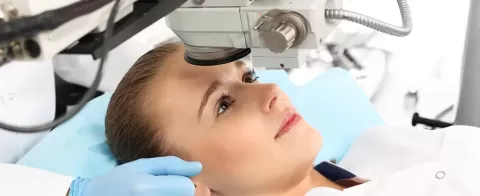
LASIK screening involves several diagnostic tests designed to assess the structure and health of your eyes. These tests may include:
- Corneal topography to map the surface of the cornea
- Pachymetry to measure corneal thickness
- Tear film analysis to evaluate dry eyes
- Pupil size measurement
- Refraction tests to assess prescription stability
Asking about these tests is one of the most commonly asked LASIK eye surgery questions, as it helps patients understand how doctors determine candidacy and plan the procedure.
3. What Type of LASIK Procedure Is Recommended for Me?
Several advanced laser vision correction techniques are available today, including:
- SMILE (Small Incision Lenticule Extraction)
- SILK(Smooth Incision Lenticule Keratomileusis)
- WaveLight Plus InnovEyes
- AI Driven Customized? Femtosecond? LASIK(Schwind Eye-Tech-Solutions)
- Contoura Vision
- Standard LASIK
Each technique offers unique advantages depending on the patient's eye condition and visual needs. Your ophthalmologist will recommend the most suitable procedure based on your eye measurements, lifestyle, and expectations. Understanding which procedure is best for you is an important part of the consultation.
4. What Results Can I Expect After the Procedure?
Many patients hope to achieve perfect vision after LASIK, but results can vary depending on individual eye conditions. One of the most commonly asked LASIK eye surgery questions relates to expected outcomes. Your doctor will explain realistic expectations regarding:
- Vision improvement
- Possibility of enhancement procedures
- Recovery timeline
- Long-term stability of results
While many patients achieve 6/6 or near-perfect vision, discussing expected outcomes beforehand helps ensure that expectations remain realistic and achievable.
5. Are There Any Risks or Side Effects?
Although LASIK is considered a safe and widely performed procedure, it is still a surgical treatment and carries some potential risks. Temporary side effects may include:
- Dry eyes
- Light sensitivity
- Glare or halos around lights
- Mild discomfort during healing
Discussing these possibilities is an important part of addressing LASIK surgery questions before the screening process. An experienced surgeon will explain how modern technology and proper patient selection help minimize these risks.
6. How Experienced Is the Surgeon?
The expertise of the surgeon plays a significant role in the success of LASIK surgery. Patients should feel comfortable asking about:
- The surgeon's experience with LASIK procedures
- Number of surgeries performed
- Success and complication rates
- Technology available at the clinic
This is one of the most important questions, as surgeon experience greatly influences treatment outcomes.
7. What Is the Recovery Time After LASIK?
LASIK recovery is usually quick, but patients should understand the healing process and expected timeline. Most patients notice vision improvement within 24 hours, although complete visual stabilisation may take several weeks. Common recovery instructions include:
- Avoid rubbing your eyes
- Limit screen time during the initial recovery period
- Use prescribed eye drops regularly
- Attend all follow-up appointments
Discussing recovery expectations is an essential part of preparing the right LASIK surgery questions before screening.
8. Will I Need Glasses Again in the Future?
Another important question patients often ask is whether they may need glasses again later in life. While LASIK permanently corrects existing refractive errors, natural age-related vision changes can still occur over time. For example, many individuals develop presbyopia after the age of 40, which may require reading glasses. Understanding this possibility helps patients maintain realistic long-term expectations after surgery.
9. What Precautions Should I Take Before the Surgery?
Before undergoing LASIK, patients may need to follow certain pre-operative instructions. These may include:
- Discontinuing contact lens use for a few days or weeks
- Avoiding eye makeup before surgery
- Informing the doctor about medications or medical conditions
- Getting adequate rest before the procedure
Asking about pre-surgery precautions helps ensure accurate eye measurements and smooth surgical planning.
10. What Does the LASIK Procedure Cost Include?
Cost is another important factor patients should discuss during their consultation. LASIK treatment costs can vary depending on several factors, including:
- Type of laser technology used
- Surgeon's experience
- Pre-surgery tests and screening
- Post-surgery follow-up care
Among the commonly asked LASIK eye surgery questions, cost transparency is essential so patients clearly understand what services are included in the treatment package.
Preparing for Your LASIK Consultation
Going into your screening appointment with a list of questions can help you gain clarity and confidence. Writing down your LASIK surgery questions beforehand ensures that you do not miss important information during the consultation. Patients should also share their lifestyle habits, occupation, and visual requirements with the doctor so the treatment plan can be customized accordingly. A well-informed patient is more likely to have a smoother LASIK experience and greater satisfaction with the results.
Conclusion
LASIK surgery has transformed the lives of millions of people by reducing dependence on glasses and contact lenses. However, the decision to undergo laser vision correction should always be made after a thorough evaluation and open discussion with an eye specialist. Asking the right questions during your screening helps you understand the procedure, potential risks, and expected outcomes. These LASIK surgery questions ensure that you are fully informed and confident before taking the next step toward clearer vision. By staying proactive and informed, you can make the best decision for your eye health and enjoy the long-term benefits of advanced vision correction technology.
FAQs
What questions should I ask before LASIK surgery? You should ask about your eligibility, potential risks, expected results, surgeon experience, recovery time, and the type of LASIK technology recommended for your eyes. What happens during a LASIK screening? Doctors perform several eye tests, including corneal mapping, refraction testing, tear film analysis, and corneal thickness measurement to determine your suitability for the procedure. How do I know if I am eligible for LASIK surgery? Eligibility depends on factors such as a stable vision prescription, healthy corneas, adequate corneal thickness, and the absence of certain eye conditions. Is LASIK screening painful? No, LASIK screening is a non-invasive evaluation involving eye measurements and scans that typically cause little to no discomfort. How long does a LASIK consultation take? A comprehensive LASIK screening usually takes about 60 to 90 minutes, depending on the number of diagnostic tests performed.

Could not find what you are looking for?


