- By Centre For Sight
- 6 minutes
Black Fungus, also known as Mucormycosis, is a rare but serious fungal infection that can affect various parts of the body, especially the eyes. It is caused by a group of molds called mucormycetes, which are commonly found in the environment, particularly in soil, plants, and decaying organic matter. While these molds are usually harmless, they can cause infection in individuals with weakened immune systems or underlying health conditions.
In recent times, there has been an alarming increase in cases of Black Fungus among individuals recovering from COVID-19, especially those who were treated with steroids or had uncontrolled diabetes. Early detection and prompt treatment are crucial in managing this condition and preventing serious complications.
In this blog post, we will explore the symptoms, causes, and mucormycosis treatment options to help you better understand this condition and take necessary precautions.
Here is the more about the essential eye care during covid-19
What Is Mucormycosis (Black Fungus)?
To understand Black Fungus (Mucormycosis) better, it is important to know how it affects the body and the risk factors associated with it.
Black Fungus primarily affects the hollow cavities, such as sinuses, lungs, and brain, although it can also spread to other parts of the body. It enters the body through the inhalation of fungal spores or through the skin when it comes into contact with contaminated soil or objects.
Individuals with weakened immune systems, such as those with diabetes, cancer, organ transplant recipients, or individuals taking medications that suppress the immune system, are at a higher risk of developing Black Fungus. Other risk factors include uncontrolled diabetes, long-term use of steroids and trauma or injury to the skin or mucous membranes.
By understanding the risk factors and how Black Fungus affects the body, we can take necessary precautions and seek timely medical attention if needed.
Causes of Mucormycosis
Black Fungus is caused by a group of molds called mucormycetes. These molds are commonly found in the environment, particularly in soil, plants, and decaying organic matter. While they are usually harmless, they can cause infection in individuals with weakened immune systems or underlying health conditions.
The inhalation of fungal spores or contact with fungal-contaminated objects can lead to the development of Black Fungus. Individuals with certain risk factors, such as uncontrolled diabetes, long-term use of steroids, or excessive iron levels in the body, are more susceptible to the infection.
It is important to note that Black Fungus is not contagious and does not spread from person to person. It generally does not affect healthy individuals with good immune systems.
Signs and Symptoms of Mucormycosis
Black Fungus can present with a variety of symptoms depending on the site of infection. Common mucormycosis symptoms include:
- Facial pain or numbness around cheek
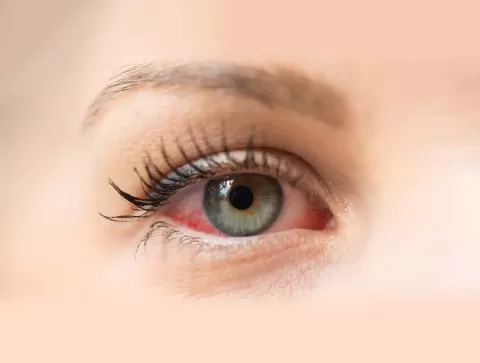
- Swelling or redness around the eyes or nose
- Headache
- Fever
- Cough
- Shortness of breath
- Chest pain
- Altered mental status
- Vision problems
If you experience any of these symptoms, especially if you have recently recovered from COVID-19 or have underlying health conditions, it is important to seek medical attention promptly.
Read about how eyes are affected due to cold
Mucormycosis Diagnosis
Diagnosing Mucormycosis involves a combination of clinical evaluation, imaging tests, and laboratory investigations.
The doctor may perform a physical examination to assess the affected area and check for signs of fungal infection. Imaging tests, such as CT scans or MRIs, may be conducted to determine the extent of the infection and identify any damage to surrounding tissues.
In addition, laboratory investigations, such as a biopsy or culture of the infected tissue, may be performed to confirm the presence of mucormycetes and identify the specific species involved. Early diagnosis is crucial in managing Mucormycosis and preventing further complications.
Mucormycosis Treatments
Treating Mucormycosis usually involves a multidisciplinary approach and may include the following:
- Antifungal medication: The primary treatment for Mucormycosis is the administration of antifungal medications, such as amphotericin B or posaconazole. These medications help to control the growth of the fungus and prevent its spread.
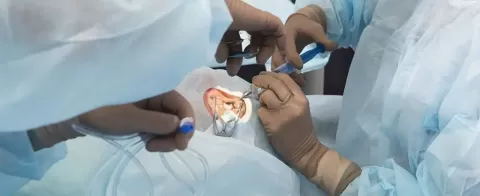
- Surgical intervention: In some cases, surgical intervention may be necessary to remove the infected tissue and improve the outcome of the treatment. This may involve debridement (surgical removal of dead or infected tissue), sinus surgery, or, in severe cases, removal of the affected organ.
- Management of underlying conditions: Treating and managing underlying health conditions, such as diabetes or immunosuppression, is crucial in preventing the recurrence of Mucormycosis.
The specific treatment approach will depend on the severity of the infection, the site of infection, and the overall health of the individual. It is important to work closely with a healthcare professional to determine the most appropriate mucormycosis treatment plan.
Potential Risks and Complications of Mucormycosis (Black Fungus)
Mucormycosis can lead to serious complications if not diagnosed and treated promptly. Some potential risks and complications of Mucormycosis include:
Tissue necrosis: The infection can cause tissue death (necrosis) in the affected area, leading to the loss of function or disfigurement.
Organ damage: If the infection spreads to vital organs, such as the lungs or brain, it can result in organ damage and failure.
Vision loss: Mucormycosis involving the eye or surrounding structures can lead to vision problems, including vision loss.
Secondary bacterial infections: The weakened immune system and tissue damage caused by Mucormycosis can make individuals more susceptible to secondary bacterial infections.
Understand the types of low vision here.
Early detection, prompt treatment, and appropriate management of Mucormycosis are essential in minimizing the risks and complications associated with this condition.
Preventive Measures and Conclusion
Preventing Mucormycosis involves taking certain precautions, especially for individuals at a higher risk of developing the infection. Some preventive measures include:
- Maintaining good hygiene practices, such as regular handwashing with soap and water.
- Avoiding contact with soil or objects that may be contaminated with fungal spores.
- Keeping blood sugar levels under control for individuals with diabetes.
- Using appropriate protective gear, such as gloves and masks, when handling potentially contaminated materials.
Conclusion
In this blog post, we have explored the symptoms, causes, and treatment options for Black Fungus (Mucormycosis). Black Fungus is a rare but serious fungal infection that can affect various parts of the body. It is caused by a group of molds called mucormycetes and primarily affects individuals with weakened immune systems or underlying health conditions.
Early detection and prompt treatment are crucial in managing Mucormycosis and preventing serious complications. If you experience any symptoms or have concerns about this condition, it is important to seek medical attention promptly.
By taking preventive measures, such as maintaining good hygiene practices and avoiding contact with potentially contaminated materials, we can reduce the risk of developing Mucormycosis. Stay informed, stay safe!
FAQs
What are the symptoms of mucormycosis?
Symptoms include nasal congestion, blackish discharge from nose, facial swelling, headache, fever, cough, chest pain, and blurred or double vision.
How is mucormycosis transmitted?
It is not transmitted from person to person. It typically occurs when fungal spores in the environment are breathed in or come into contact with a wound.
What are the features of mucormycosis?
It is a serious fungal infection caused by molds belonging to the order Mucorales. It primarily affects immunocompromised individuals or those with underlying health conditions.
What is the source of mucor?
Mucor molds are commonly found in soil, decaying organic matter, and plants.
Can mucormycosis be cured?
Yes, mucormycosis can be cured with early diagnosis, appropriate antifungal therapy, and sometimes surgical intervention to remove infected tissue.
How do you identify mucormycosis?
Diagnosis involves clinical suspicion based on symptoms, imaging studies (like CT scans), and confirmation through tissue biopsy and fungal culture.
Related Blogs


Could not find what you are looking for?


