How to Wear Contact Lenses Safely: Step-by-Step Guide
- By Centre For Sight
- 7 minutes
Key Takeaways
|
Understanding Different Types of Contact Lenses
Contact lenses come in several designs to match comfort, lifestyle, and vision needs. Below are the different types of contact lenses:- Soft lenses (hydrogel/silicone hydrogel): Most popular and comfy for beginners; great oxygen flow in silicone hydrogel helps longer wear.
- Rigid Gas Permeable (RGP) lenses: Sharper vision for high astigmatism or irregular corneas; smaller, longer-lasting, but need an adaptation period.
- Daily disposables: Fresh pair each day, highest hygiene, low care; ideal for allergies, travel, or using contact lenses for the first time.
- Fortnightly/monthly disposables: Replace on schedule; clean and store nightly with the right solution.
- Extended-wear lenses: Approved to sleep in for specific durations; only if your doctor recommends, sleep increases infection risk.
- Specialty lenses: Toric for astigmatism, multifocal for near+distance, scleral for dry eye/keratoconus, and colored lenses for cosmetic change (always by prescription, even for cosmetics).
Step-by-Step Guide for Wearing Contact Lenses
A simple routine makes how to put on contact lenses easy and safe. Follow these step-by-step guide for wearing contact lenses:Step 1. Wash Hands:
- Cleaning hands and keeping bacteria and germs away from your contact lens is the utmost important step. Use soap and water, then dry with a lint-free towel.
- Tip: Avoid oily/ moisturizing soaps, they leave residue that blurs lenses.
Step 2. Prepare the Lens:
- Remove from the case and place on the tip of your index finger. Rinse with fresh multipurpose solution (never water).
- Check that it's not inside out, edge should curve like a bowl (the ?taco test? closes evenly).
Step 3. Position the Eyelids:
- Use one hand to hold the upper lid open; use the other hand to pull down the lower lid.
- Tip: Keep lashes out of the way and look slightly down your nose or to the side if that feels easier.
Step 4. Place the Lens on the Eye:
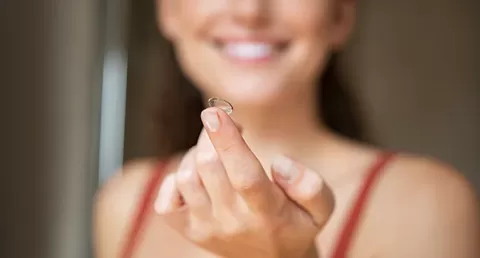
- Gently place the lens on the colored part or the white of the eye, then look toward the lens so it centers.
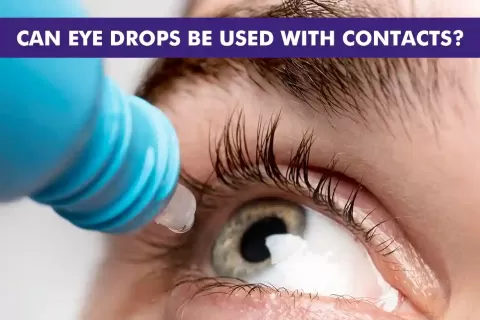
- Blink several times to help it settle; add a drop of preservative-free lubricant if it feels dry.
Proper Care and Maintenance Tips for Your Contact Lenses
Below are the proper care and maintenance tips for your contact lenses:- Rub-and-rinse nightly: Clean each lens in your palm for 10?15 seconds per side, then store in fresh solution.
- Fresh solution only: Never ?top up? yesterday's liquid; empty, rinse the case with solution (not water), and air-dry face down.
- Replace on schedule: Follow daily/2-weekly/monthly timelines, over-wearing raises infection risk and protein build-up.
- Right solution for your lens: Use what your doctor recommends; hydrogen peroxide systems need full neutralization before wear.
- No water, no saliva: Don't rinse lenses or cases with water; avoid wearing lenses in showers, pools, or hot tubs.
- Case care: Replace the case every 3 months. Keep caps clean and closed.
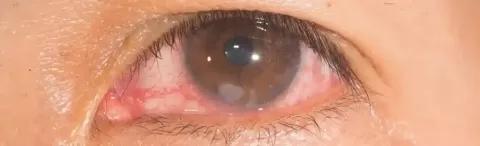
- Lens breaks: Give eyes rest if red, painful, light-sensitive, or if vision suddenly blurs, remove the lenses and call your doctor.
Common Mistakes and How to Avoid Them
Below are the common mistakes and how to avoid them:- Sleeping in non-overnight lenses:?
- Using expired or ?topped-off? solutions:
- Not replacing lenses on time:
- Water exposure (swim/shower in lenses):
- Mixing up left/right lenses:
- Ignoring warning signs:
Common Issues with Contact Lenses and How to Handle Them
Wearing contact lenses should feel easy once you have a routine, but a few problems show up, such as dryness, irritation, and lenses moving off-centre. Knowing the signs and simple fixes keeps your eyes comfortable and your vision clear.- Dry eyes
- Irritation
- Lens displacement
How to Manage Contact Lens Issues?
Below are the common ways to manage contact lens issues like dryness, irritation, and lenses moving off-centre:- Use rewetting/lubricating drops:
- Ensure proper lens fit
- Take regular breaks from lens wear
Conclusion
Clean hands, the right lens and solution, and steady habits make wearing contact lenses safe and comfortable. Treat dryness early with lubricating drops, fix fit issues with your optometrist, and avoid water exposure or overnight wear unless specifically prescribed.? When in doubt, give your eyes a break and get a quick check, small course corrections prevent big problems.FAQs
How Long Can You Wear Contact Lenses in a Day? The safe wear time for contact lenses in a day is 8?12 hours, depending on lens type and your eyes; your doctor adjusts this up or down. How Do You Know If Your Contact Lenses Are Inside Out? You know your contact lenses are inside out when the edge flares outward like a saucer; a correct lens looks like a smooth bowl and closes evenly in the ?taco test.? Can You Sleep with Contact Lenses? No, you must not sleep with contact lenses as it raises infection risk. What Happens If You Don't Change Your Contact Lenses on Time? If you don't change your contact lenses on time, protein and deposits build up, comfort drops, vision blurs, and the risk of infection increases. Can You Wear Contact Lenses While Swimming? No, you must not wear contact lenses while swimming; it's unsafe due to water-borne germs and the chance of losing a lens. How to apply contact lenses for the first time To apply contact lenses for the first time, wash and dry hands, place the lens on your fingertip, hold lids open, look toward the lens, place gently, then blink to centre it. Is it painful to put in contact lenses? No, it's not painful to put in contact lenses when they are clean, hydrated, and fitted well; having pain means you stop, remove, rinse with solution, and try again. Are contacts better than glasses? Contacts are better than glasses for a wider field of view, sports, and no fogging; glasses are better for low maintenance and fewer infection risks. How many hours should I wear contact lenses for the first time? You should wear contact lenses for the first time for about 4?6 hours, then increase by 1?2 hours daily as long as your eyes stay clear and comfortable.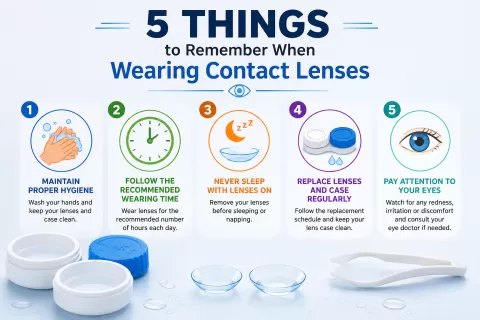
Could not find what you are looking for?


