All You Wanted to Know About Cataracts in Children
- By Centre For Sight
- 6 minutes
Blog Summary
- Cataracts can affect children too, even from birth and may impact visual development early
- Pediatric cataract is a clouding of the eye lens, leading to blurred or impaired vision
- Can be unilateral or bilateral, with varying impact on eyesight
- Early detection is essential in preventing amblyopia and developmental delay
- Some causes include genetics, intrauterine infections, trauma, metabolic diseases, and the use of steroids
- The main symptoms include white pupils, squinting eyes, difficulty tracking objects, photophobia, and nystagmus
- Diagnosis is carried out through comprehensive eye examinations, including dilated eye examination and slit lamp examinations
- The main form of treatment is surgery, particularly for moderately-severe cases
- Visual correction after surgery is done using IOLs, contact lenses, or spectacles
- Early surgery + management leads to a good visual outcome in the long run
- Cannot be totally prevented, but chances can be decreased by pre-natal care and early eye exams
What are Cataracts in Children?
A pediatric cataract is the cloudiness of the lens of the eye that affects babies and children and causes distorted or impaired vision. While for adults, this happens slowly, a pediatric cataract may affect a child's visual development at a very early age. These can be:
- Unilateral (affecting one eye)
- Bilateral (affecting both eyes)
Some childhood cataracts are mild and do not interfere with vision, while others can significantly impair sight if left untreated.
Types of Cataracts in Children
Understanding the type of pediatric cataract helps determine the right treatment approach.
| Type of Cataract | How does it happen?? | Key Risks / Concerns? |
| Congenital Cataracts? | Present at birth or develop early; caused by genetic factors, metabolic disorders, or infections during pregnancy? | Can severely affect visual development if not treated early? |
| Developmental Cataracts? | Develop later in childhood, often due to unknown causes or systemic conditions? | May go unnoticed and affect school performance and learning? |
| Traumatic Cataracts? | Result from eye injuries such as blunt trauma or penetrating wounds? | Risk of sudden vision loss; common in sports or accidents? |
| Secondary Cataracts? | Occur after eye surgery or due to conditions like uveitis or prolonged steroid use | Can reduce visual clarity and may require further treatment? |
| Radiation Cataracts? | Caused by exposure to ionizing radiation (e.g., cancer treatment)? | Rare but can lead to progressive vision impairment? |
Causes of Cataracts in Children
In many cases, the exact cause of childhood cataracts cannot be identified. However, there are several reasons why a pediatric cataract can develop:
- Genetic inheritance (family history)
- Chromosomal conditions like Down syndrome
- Congenital cataracts in babies due to maternal infections (rubella or toxoplasmosis)
- Metabolic disorders (like galactosemia)
- Eye injuries or trauma
- Long-term steroid use
- Pediatric diabetes
Symptoms of Child Cataract You Need To Look For?
Recognising child cataract symptoms early can make a huge difference in treatment outcomes. Common symptoms include:
| Symptoms | Details |
| A white or grey pupil? | This is the most striking sign. In a flash photograph, a child's eyes normally show red-eye. If one or both pupils appear white or milky (leukocoria), go for an eye check-up immediately. This single sign leads to early diagnoses in countless cases.? |
| Poor visual tracking? | Babies should follow a moving face or object by 6?8 weeks. If your infant isn't doing this, it can signal a vision problem.? |
| Squinting or crossed eyes (Strabismus)? | When one eye sees poorly, the brain begins suppressing that eye, causing it to drift inward or outward.? |
| Nystagmus? | Rapid, involuntary eye movements are often a sign that the visual system isn't receiving clear input.? |
| Sensitivity to light? | A child who cries or squints severely in sunlight or bright indoor lighting can develop cataracts.? |
| Rubbing eyes frequently? | Children often rub their eyes when their vision is blurry or when their eyes are working hard to compensate.? |
| Delayed milestones? | Crawling, picking up small objects, and hand-eye coordination tasks may be delayed if a child isn't seeing well.? |
How Are Cataracts Diagnosed in a Child?
A step-by-step evaluation helps detect cataracts early and ensures timely treatment for better visual development.?
| Diagnostic Step? | What does it involve?? |
| Medical History | Gather information about birth, family eye history, and any vision-related changes. |
| Visual Acuity Test | Assess the child's ability to see at different distances using an eye chart. |
| Dilated Eye Exam | Dilate pupils to thoroughly examine the lens and internal eye structures. |
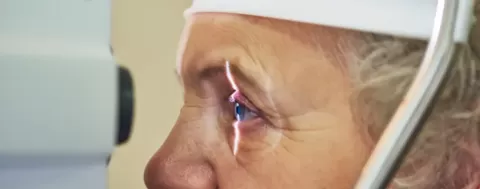
| Slit-Lamp Examination | Use a microscope-like instrument to examine the eye structures, including the lens. |
| Cycloplegic Refraction | Determine refractive error after pupil dilation to prescribe corrective lenses. |
| Electrodiagnostic Tests (if necessary) | Conduct additional tests, such as ERG or VEP, to assess retinal and visual pathway function. |
| Prompt Intervention | If cataracts are detected, timely surgical removal is essential for better visual outcomes and preventing developmental delays. |
What are the Options for Treating Cataracts in Children?
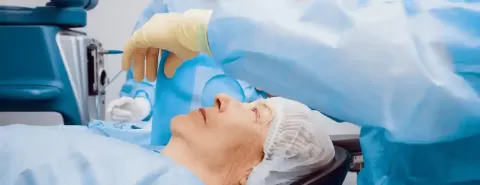
The primary treatment for a pediatric cataract is surgery. Timely cataract surgery for children is critical, especially in infants.
When Is Surgery Needed?
- Significant vision obstruction
- Bilateral cataracts affecting development
- Presence of severe symptoms
During the cataract surgery, the cloudy lens is removed, and the vision is restored using one of the following treatments:
| Treatment? | How does it work?? | Pros | Cons |
| Intraocular Lens (IOL)? | An artificial lens is implanted inside the eye after removing the cloudy lens during cataract surgery for children? | Provides long-term vision correction; reduces dependence on glasses? | Requires surgery, and needs future adjustments as the child grows? |
| Contact Lenses? | Special lenses are placed on the eye surface after cataract surgery for children to correct vision? | Wider field of view; effective for infants and young children? | Requires strict hygiene, risk of infection, and handling can be challenging? |
| Eyeglasses? | Prescription glasses used to improve vision after cataract surgery for children? | Non-invasive, easy to use, and maintain? | Can be inconvenient for active children; can break or get lost; limited field of view? |
Are Pediatric Cataracts Preventable?
Not all pediatric cataracts are preventable, particularly those that are genetically linked. Nonetheless, ways to lower the risk include:
- Appropriate antenatal care
- Rubella vaccination prior to conception
- Controlling maternal infection
- Prevention of eye injury among children
- Eye examinations
Conclusion
Understanding cataracts in children is vital for parents and caregivers. From recognizing early signs to exploring treatment options such as surgery, the journey involves careful consideration and collaboration with pediatric eye care professionals. Prioritizing timely diagnosis and intervention is crucial for ensuring optimal visual development in children. By staying informed and proactive, parents can navigate the challenges associated with childhood cataracts and pave the way for a brighter and clearer future for their little ones.

Frequently Asked Questions
What are the most common child cataract symptoms parents should watch for?
At what age is cataract surgery for children recommended?
Are congenital cataracts in babies treatable?
How are cataracts treated in children?
How long does recovery take after cataract surgery for children?
Could not find what you are looking for?


