

See Straight. Live Confidently.

Choose advanced squint eye treatment & surgery to correct eye misalignment.

Family enjoying clear vision

Understanding Squint Eye in Kids & Adults

Doctor performing cataract examination

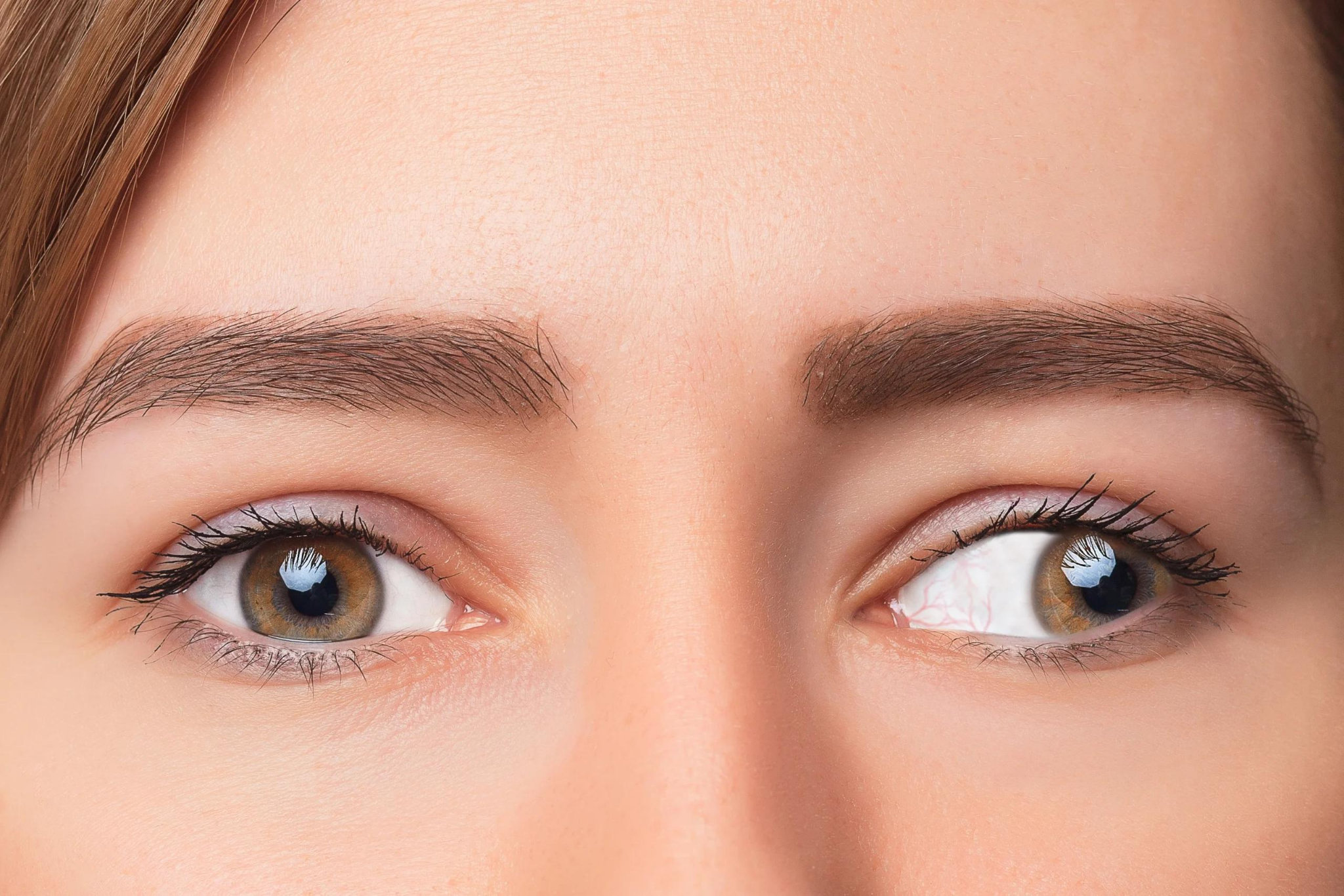
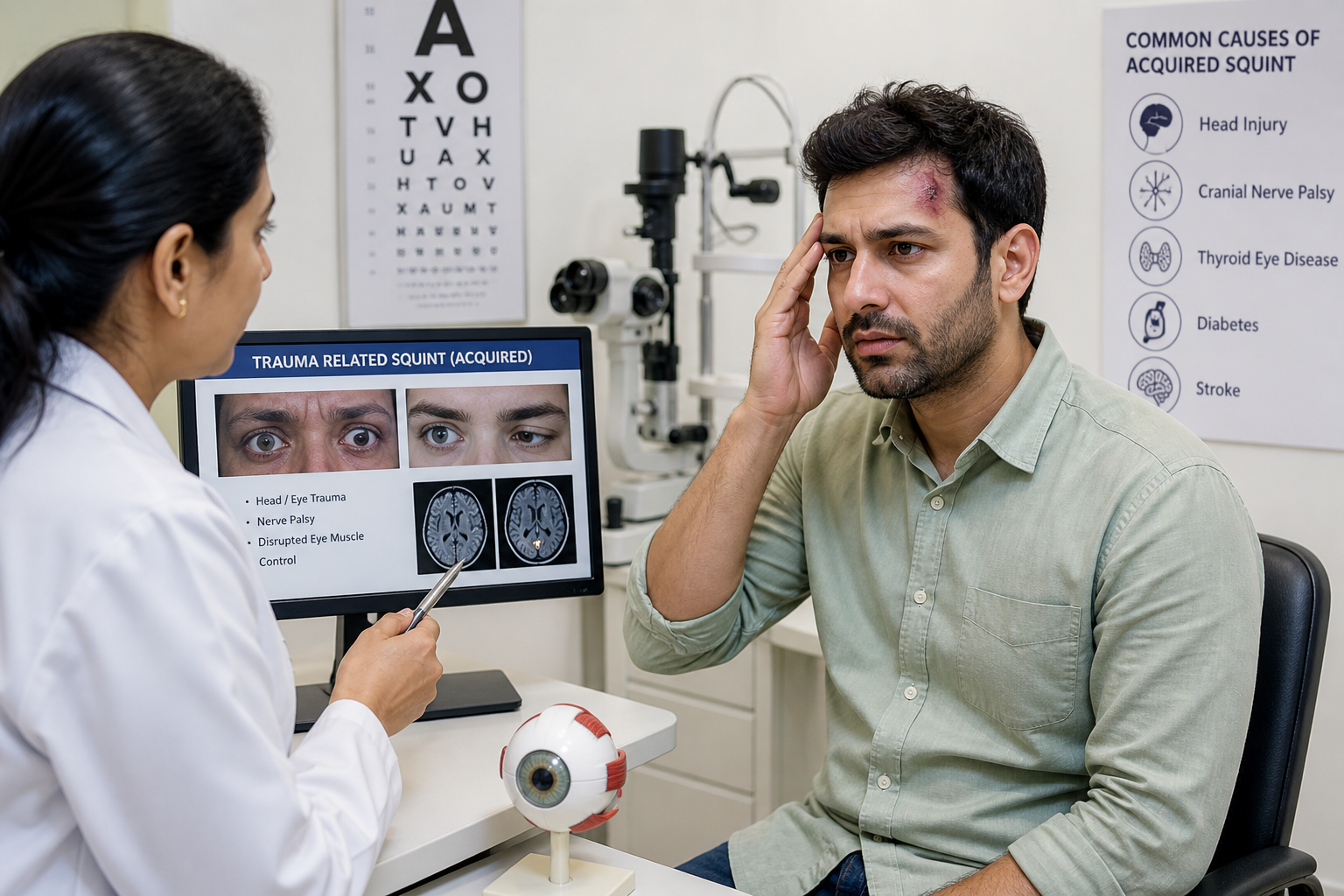
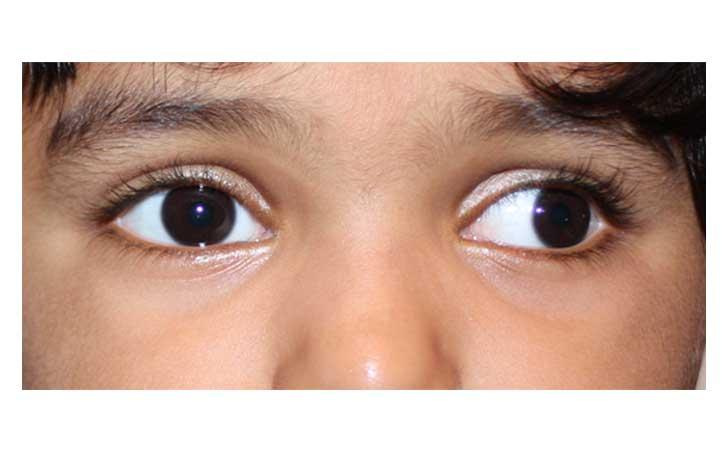
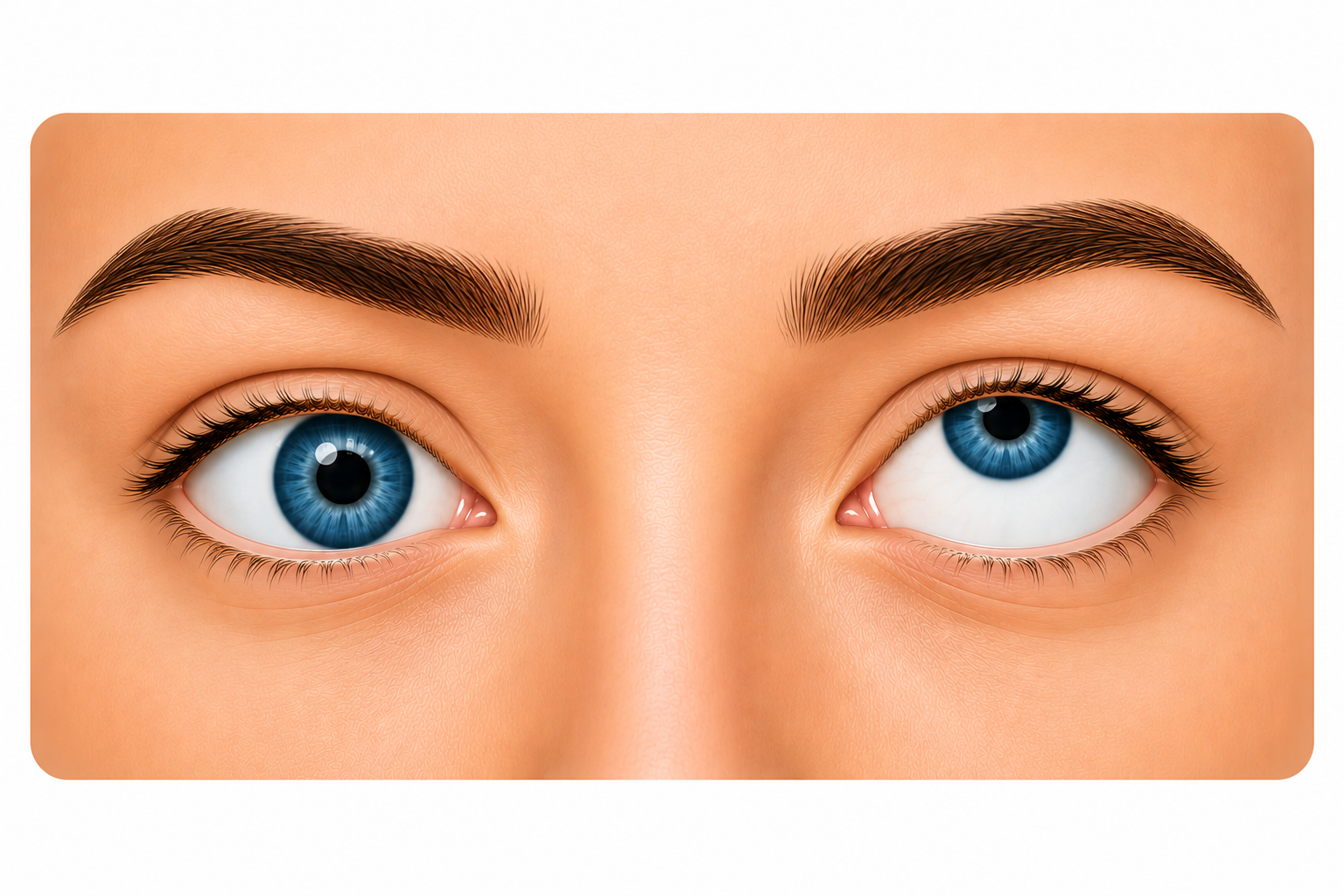
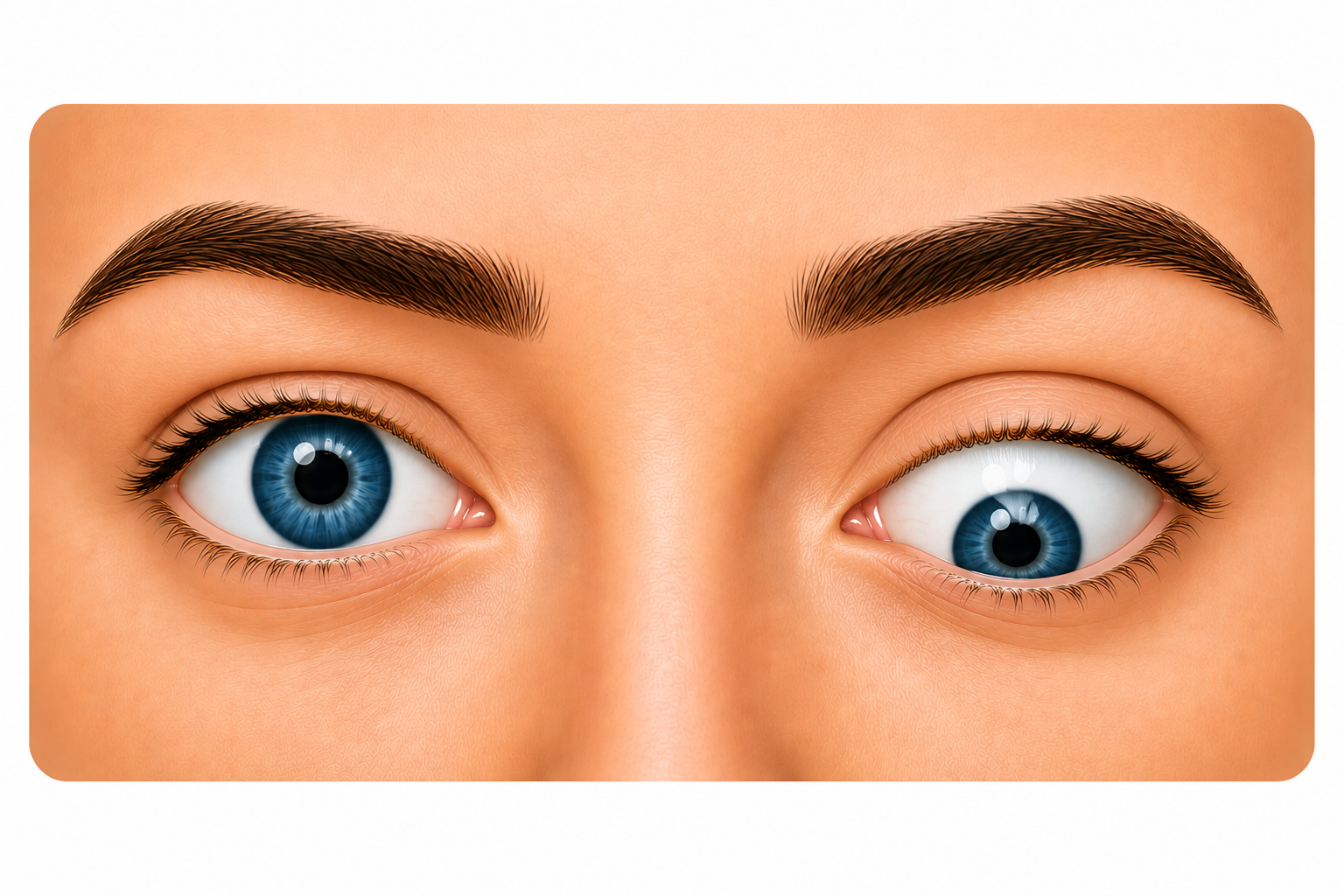
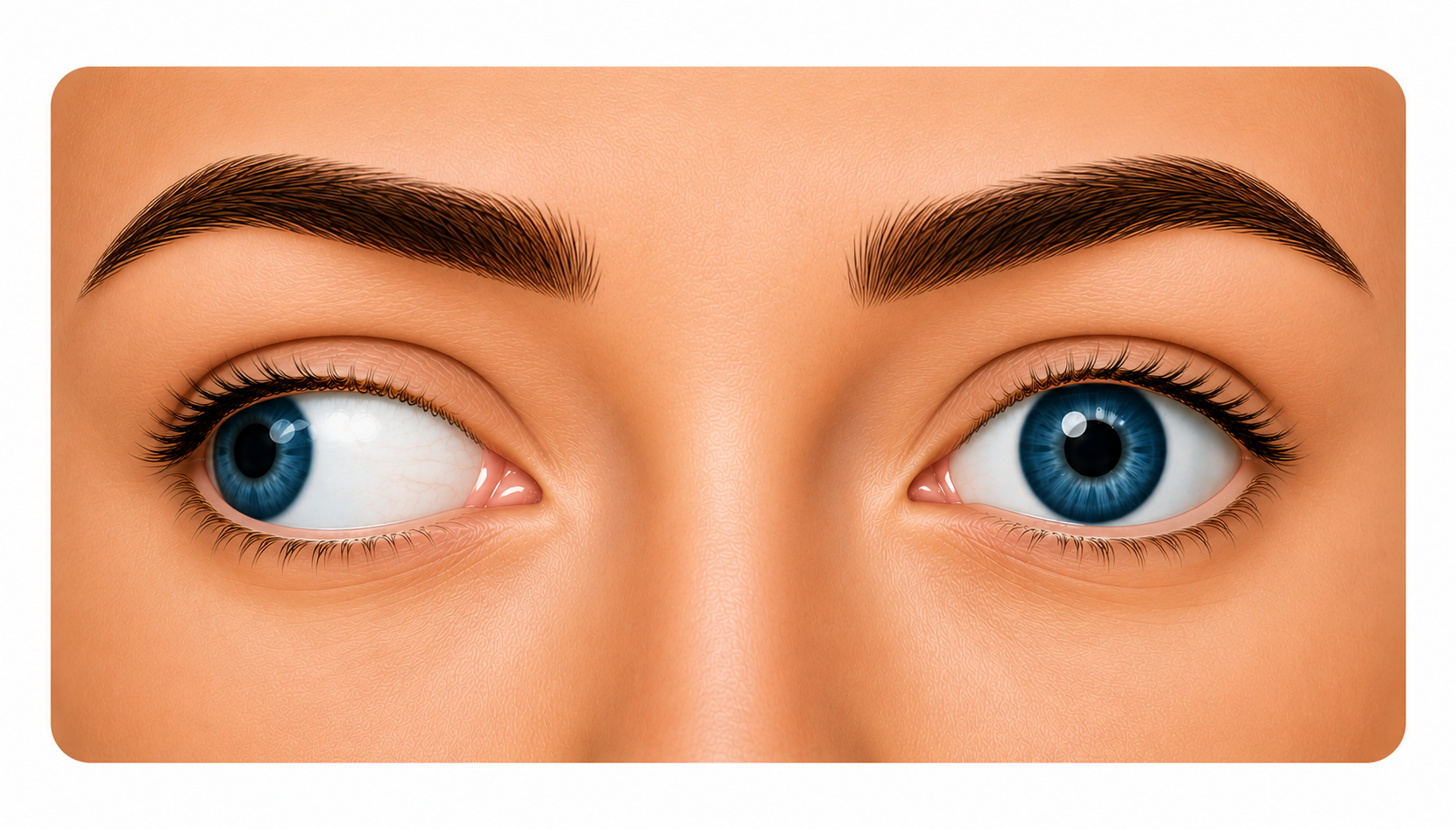
Squint eye, medically known as strabismus, is a condition in which both eyes do not align in the same direction at the same time. One eye may look straight while the other turns inward, outward, upward, or downward. The condition can be constant or occasional and may affect children as well as adults.

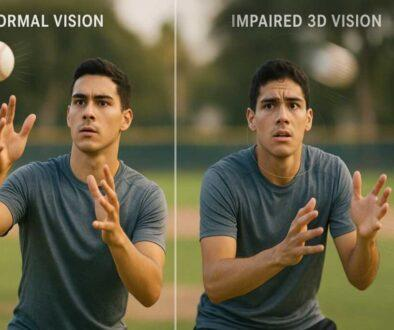
A squint can impact binocular vision, depth perception, focus, and overall visual coordination & comfort. In children, untreated squint may lead to lazy eye (amblyopia), where the brain gradually ignores signals from the weaker eye. In adults, it may cause double vision, eye strain, or difficulty with spatial judgment.

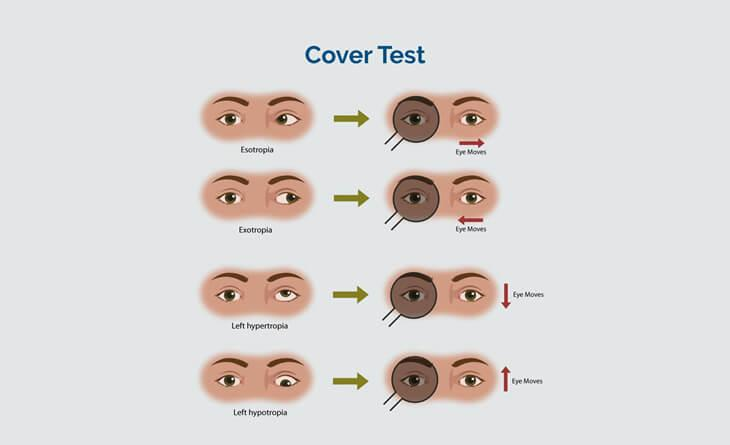
One eye may remain focused normally while the other turns:

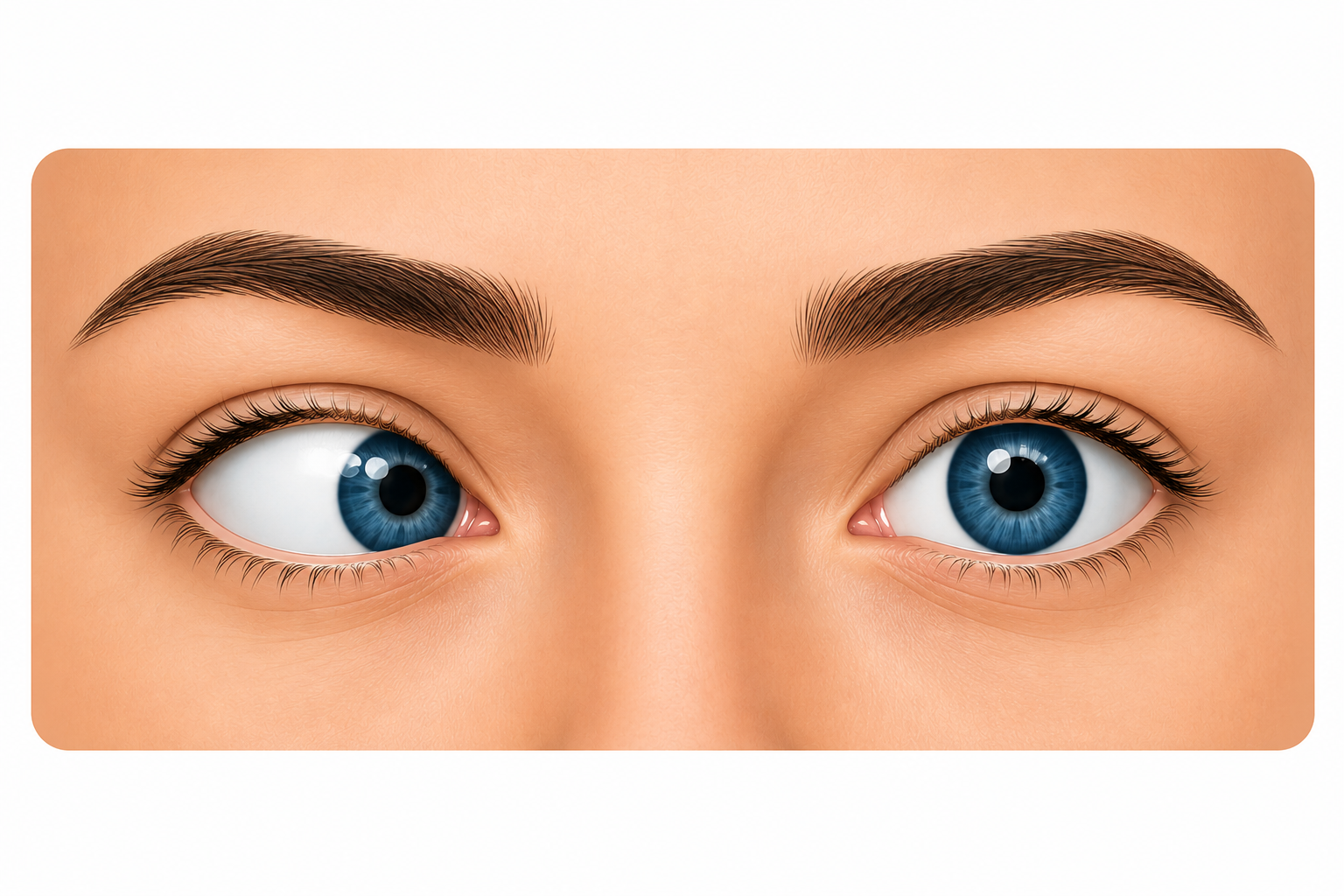
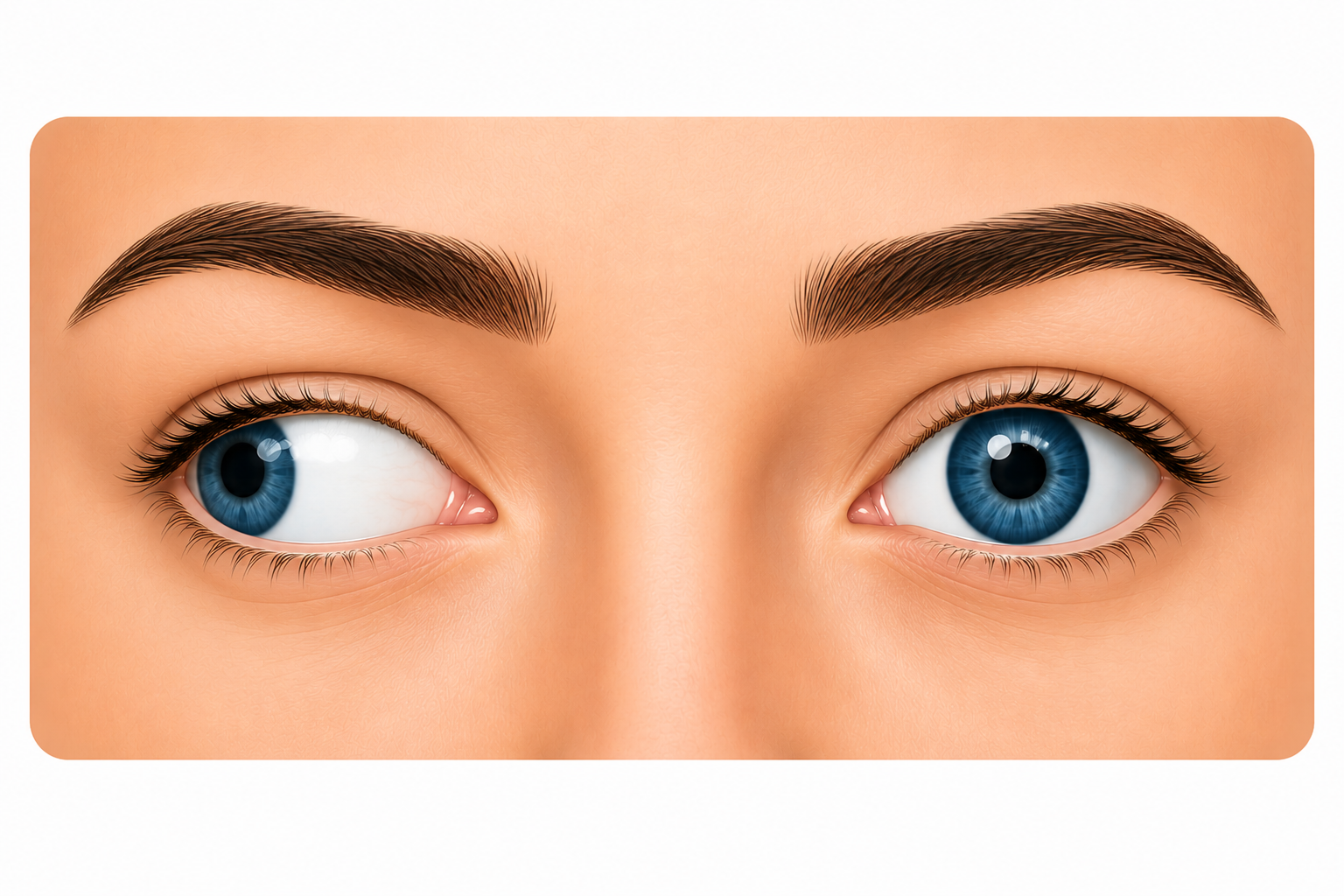
  • Inward (Esotropia)
  • Outward (Exotropia)
  • Upward (Hypertropia)
  • Downward (Hypotropia)

Clinically Important Facts

  • Can affect both children and adults
  • May be constant or intermittent
  • Early treatment helps prevent lazy eye (Amblyopia)
  • Advanced squint eye treatment can improve both function and appearance

Low vision affects daily life, but with the right care and support, a better quality of life is possible.

Why Squint Eye Can Develop

Age-related risk factors

Family History & Congenital Eye Muscle Imbalance

A family history of squint eye significantly increases the likelihood of developing strabismus. Many children inherit abnormalities in eye muscle coordination or binocular vision control, leading to eye misalignment during early visual development.

Common Low Vision Symptoms:

  • Congenital squint eye
  • Inherited eye muscle imbalance
  • Family history of lazy eye (Amblyopia)
  • Pediatric binocular vision disorders

Why Early Detection Matters

Children with a genetic predisposition should undergo early pediatric eye screening, as timely squint eye treatment can help preserve visual development and prevent long-term suppression of vision in one eye.

Types of Squint Eye

Age-related risk factors

Inward Turning of the Eye

Esotropia is one of the most common types of squint eye where one or both eyes turn inward toward the nose. It may appear constantly or intermittently and is frequently seen in infants and young children.

Common Signs:

  • Eye crossing during focusing
  • Difficulty maintaining eye alignment
  • Reduced depth perception
  • Eye strain during near work

Clinical Insight

Some children develop accommodative esotropia due to uncorrected farsightedness, where glasses may significantly improve alignment without immediate squint surgery.

Squint Eye Treatment Options

Age-related risk factors

In many patients, especially children, squint eye develops due to uncorrected refractive errors such as farsightedness (hyperopia). Prescription glasses help reduce focusing strain and can significantly improve eye alignment.

Treatment May Include:

  • Prescription glasses
  • Prism lenses for double vision
  • Correction of unequal eye power
  • Specialized pediatric eye correction

Best Suited For:

  • Accommodative esotropia

    Mild eye deviation

    Double vision management

    Early-stage squint eye treatment

Clinical Benefit:

In some children, proper spectacle correction alone can partially or completely control squint without immediate squint surgery.

Your Squint Treatment Journey at Centre For Sight


Consultation & Diagnosis

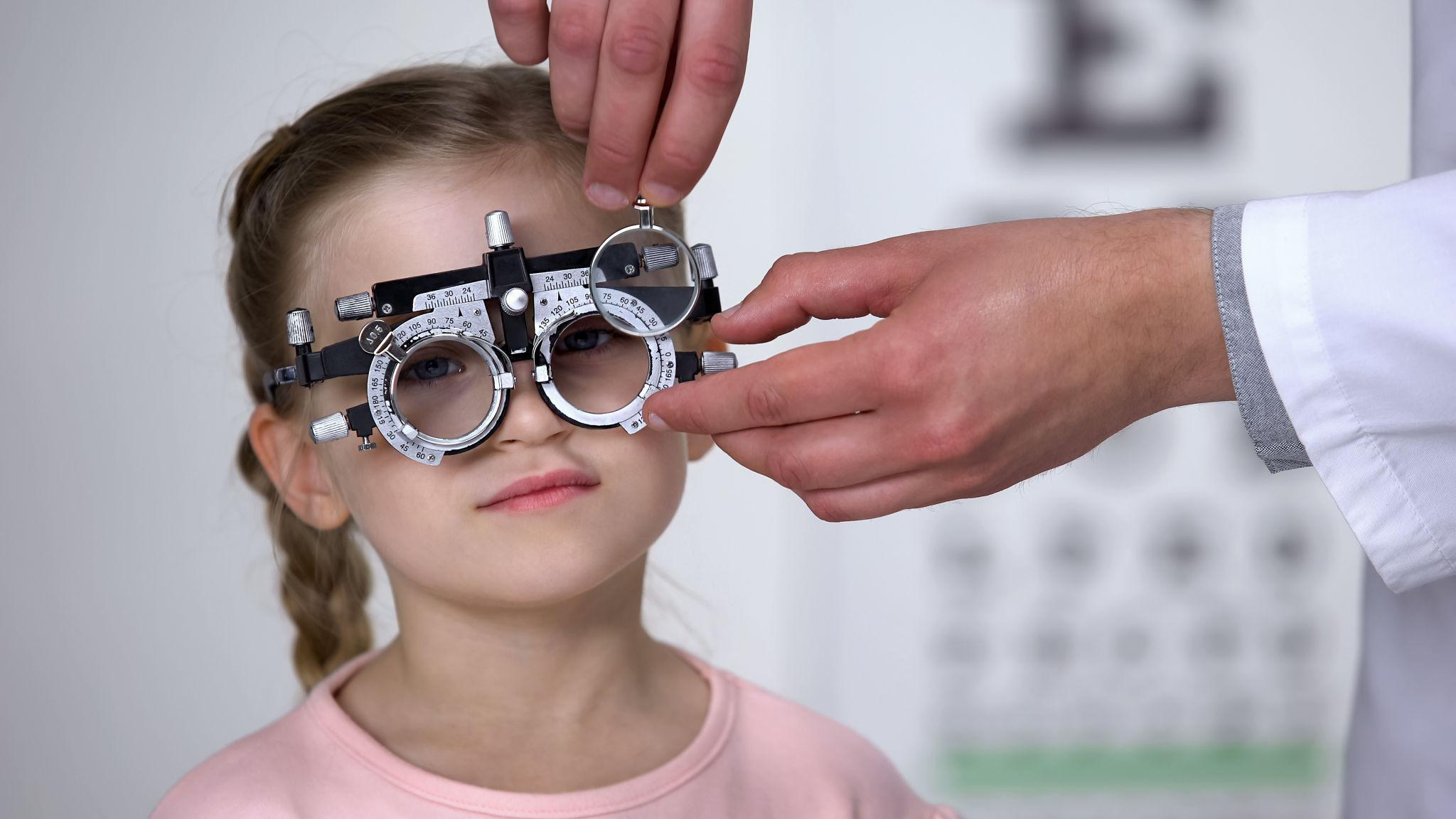
Your squint treatment journey begins with a detailed eye examination to identify the type, severity, and underlying cause of eye misalignment.

Evaluation May Include:

  • Eye movement assessment
  • Binocular vision testing
  • Refraction & glasses power check
  • Depth perception evaluation
  • Pediatric or neurological assessment if required

Why This Step Matters:

Accurate diagnosis helps determine whether the condition can be managed with glasses, vision therapy, Botox, or requires squint eye surgery.

Visual Challenges Caused by Squint Eye


Vision types - near, intermediate and far vision illustration
Age-related risk factors

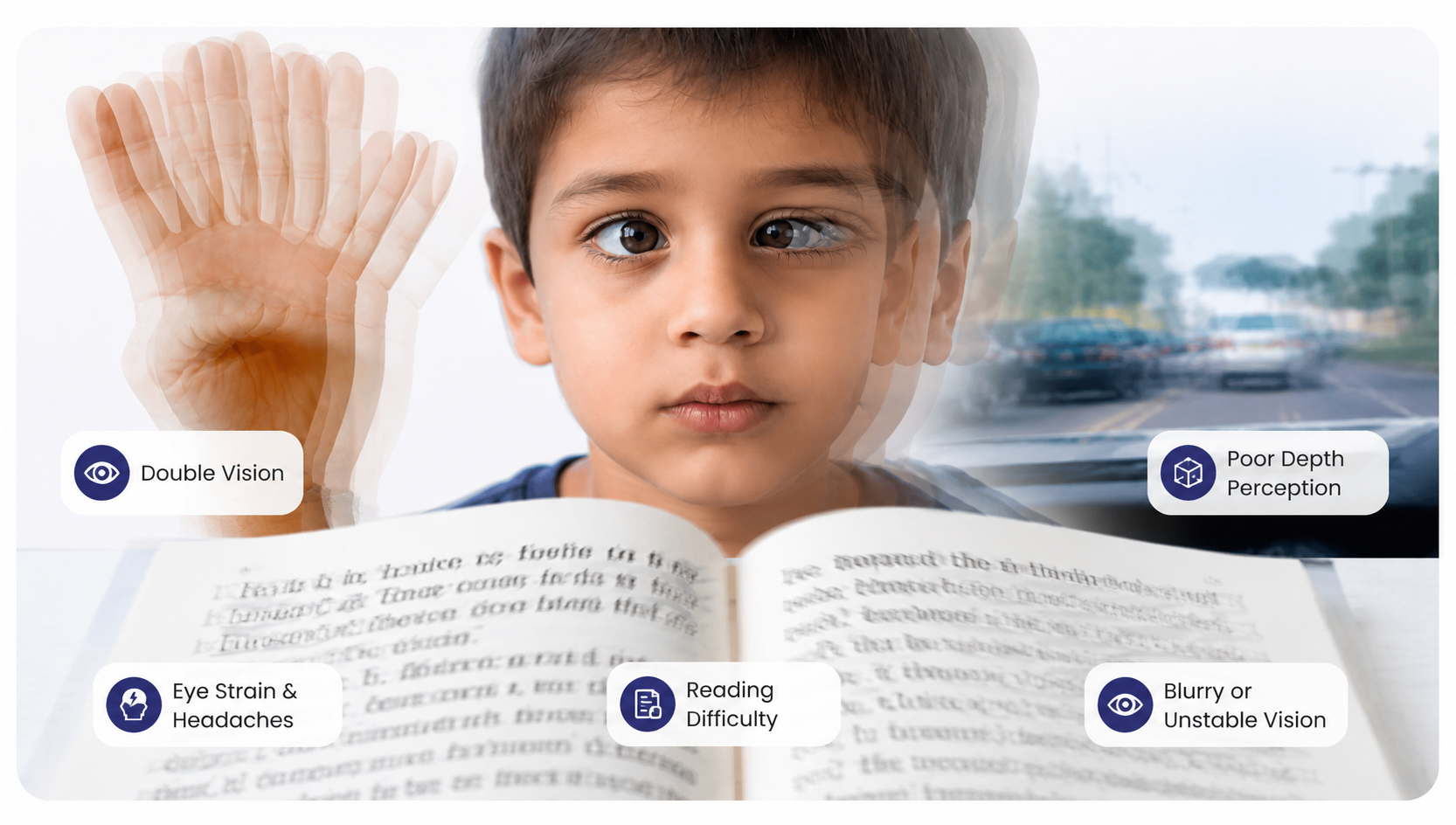
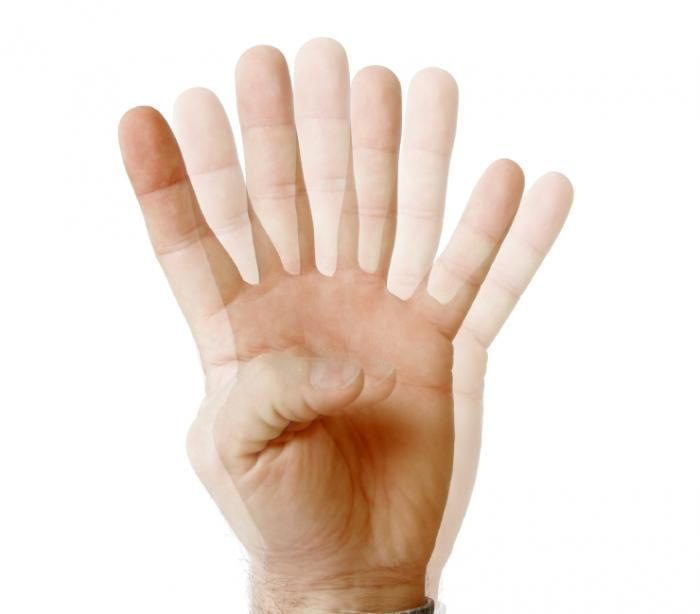
Seeing Two Images Instead of One

When the eyes are not properly aligned, the brain receives two different visual images simultaneously, leading to diplopia (double vision).

Common Difficulties:

  • Reading discomfort
  • Driving difficulty
  • Poor focus stability
  • Visual confusion during movement

Cost of Squint Eye Treatment

Squint Eye treatment cost in India vary greatly depending on the severity of the condition and the required treatment approach. Factors such as the stage of the disease, type of treatment, duration of hospitalisation, and follow-up care all impact the overall expenditure. Based on your eye condition, our experience and expert counsellors can guide you better about the most suitable treatment option and its cost.

  • Persistent Eye Misalignment: The eyes continue to drift inward, outward, upward, or downward despite glasses or vision therapy.
  • Double Vision Interferes With Daily Activities: Adults experiencing persistent diplopia, difficulty driving, reading discomfort, or poor visual coordination may benefit from surgical correction.
  • Poor Binocular Vision & Depth Perception: When both eyes fail to work together properly, surgery may help improve binocular coordination and spatial judgment.
  • Cosmetic & Psychological Concerns: Visible squint can affect confidence, social interaction, classroom participation, and workplace communication in both children and adults.
  • Progressive or Large-Angle Squint: Some squints gradually worsen over time, making early surgical alignment important for long-term visual stability.
  • Childhood Squint With Risk of Lazy Eye: Children with persistent eye deviation may require timely squint surgery to support healthy visual development and prevent amblyopia.

Why Choose Centre For Sight?

Seamless Patient Journey

From consultation to recovery, we ensure a smooth and comfortable experience at every step.

Expert Surgeons

Our team of highly skilled surgeons bring decades of combined experience in advanced eye care procedures.

Precision Tech

We leverage the latest diagnostics and surgical technologies, setting new standards in the field of eye care.

Proven Reputation

With 30+ years of trust, 15 Lac+ happy patients, and 90+ centres across India.

Order
2

Testimonials

Hear It From Our Happy Patients.

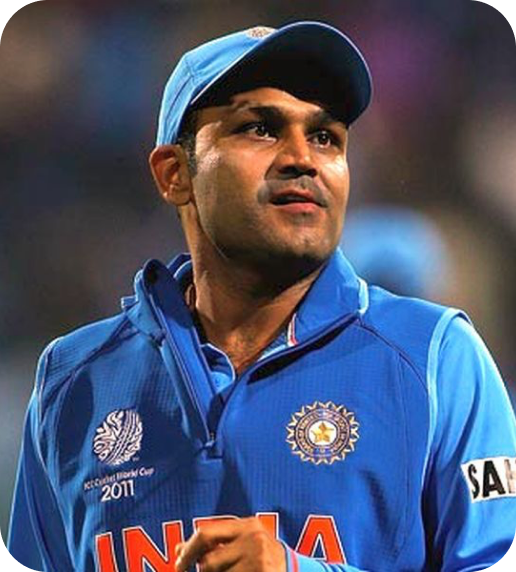
Virender Sehwag
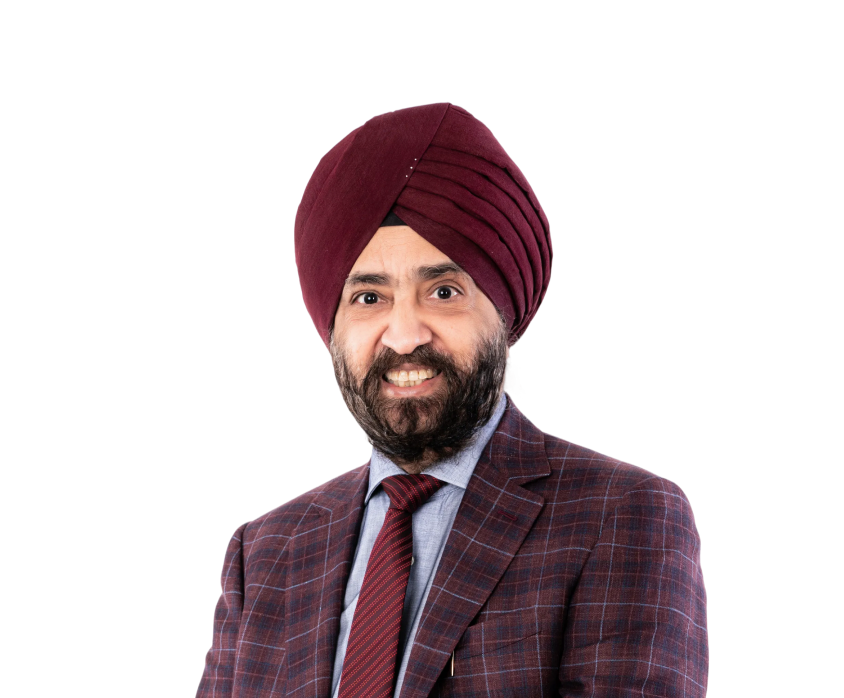
We’ve been consulting Centre for Sight for over a decade. His expertise brings peace of mind to both patients and families. The staff is courteous and patient, guiding smoothly and ensuring comfort. Every visit is a pleasant, relieving experience.Dr. Mahipal Sachdev, take a bow to your leadership and vision!
Abhaya Gupta Founder & Chief Visionary Officer, Nanya Inc.

Chose CFS For Eye Care

Virender Sehwag
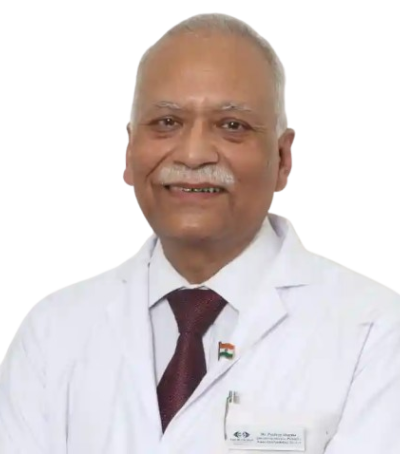
My Mother Recently Underwent Cataract Surgery With Prof. Dr. Mahipal S. Sachdev, And We Are Extremely Satisfied With The Care And Outcome. Heartfelt Thanks To Dr. Sachdev And The Entire Centre For Sight Team For Their Professionalism, Expertise, And Warm Support Throughout The Process.
Virender Sehwag Former Indian Cricketer

Chose CFS For Cataract Surgery

Virender Sehwag
Seven Years Back, I Used To Wear Eyeglasses And Contact Lenses, But Then I Got SMILE Eye Surgery Done At Centre For Sight. It Has Been A Life-Changing Experience For Me. I Highly Recommend Centre For Sight.
Bipasha Basu Actress

Chose CFS For SMILE Eye Surgery

Virender Sehwag
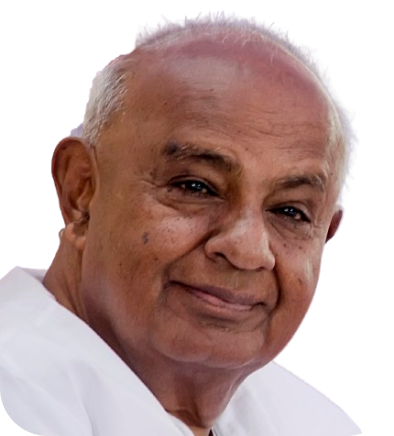
Highly appreciable of highest quality of care centre.Dr. Mahipal is an ophthalmologist of great excellence both in his caliber of work and his extremely courteous behavior. I wish him success of highest possible heights.
Shri H.D. Deve Gowda Former Prime Minister of India

Chose CFS For Eye Care

All Centres

Find The Nearest Eye Care Centre For Clearer Vision.

View All Our Centres

Frequently Asked Questions

Could not find what you are looking for?

Request a Callback

+91