

See Clearly Again

Experience Next-Gen, Flapless, & Bladeless SILK Eye Surgery

Family enjoying clear vision

Understanding SILK Laser Eye Surgery 
Pioneered By Centre For Sight in 2023

Doctor performing cataract examination

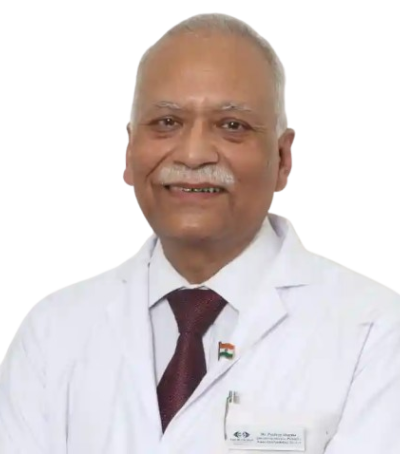
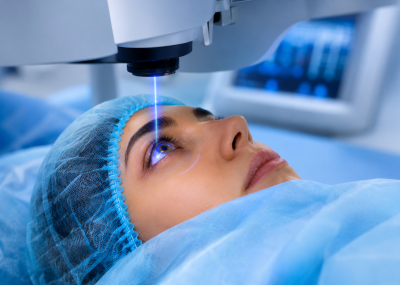
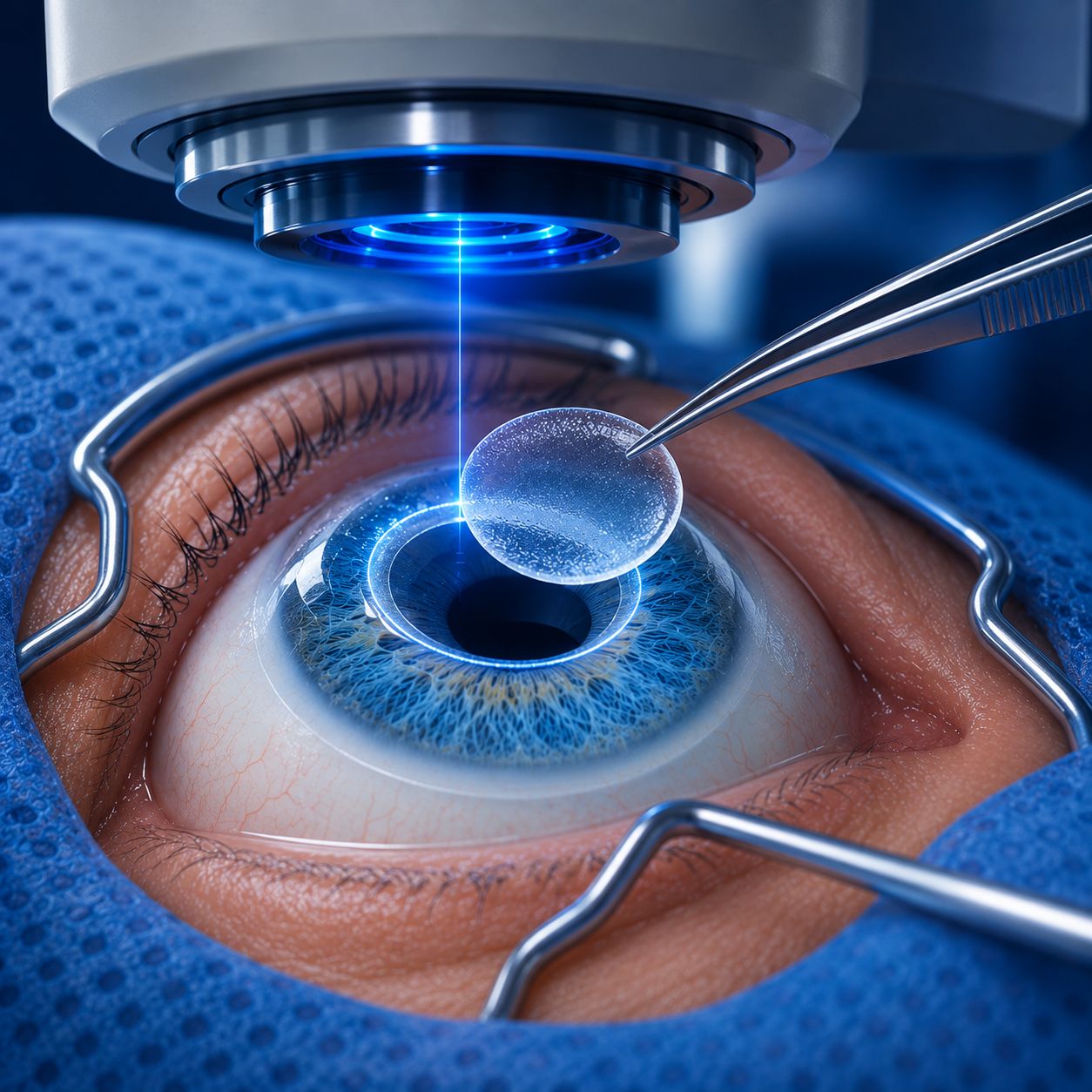
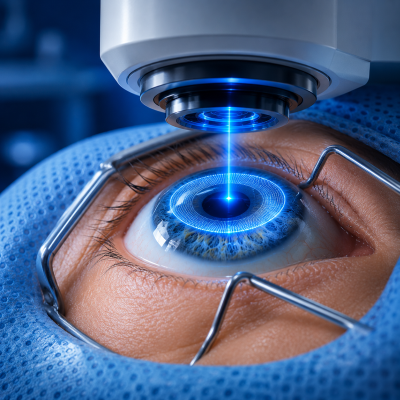
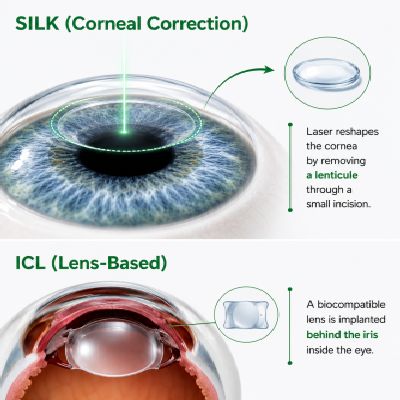
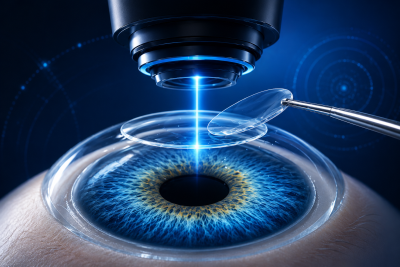
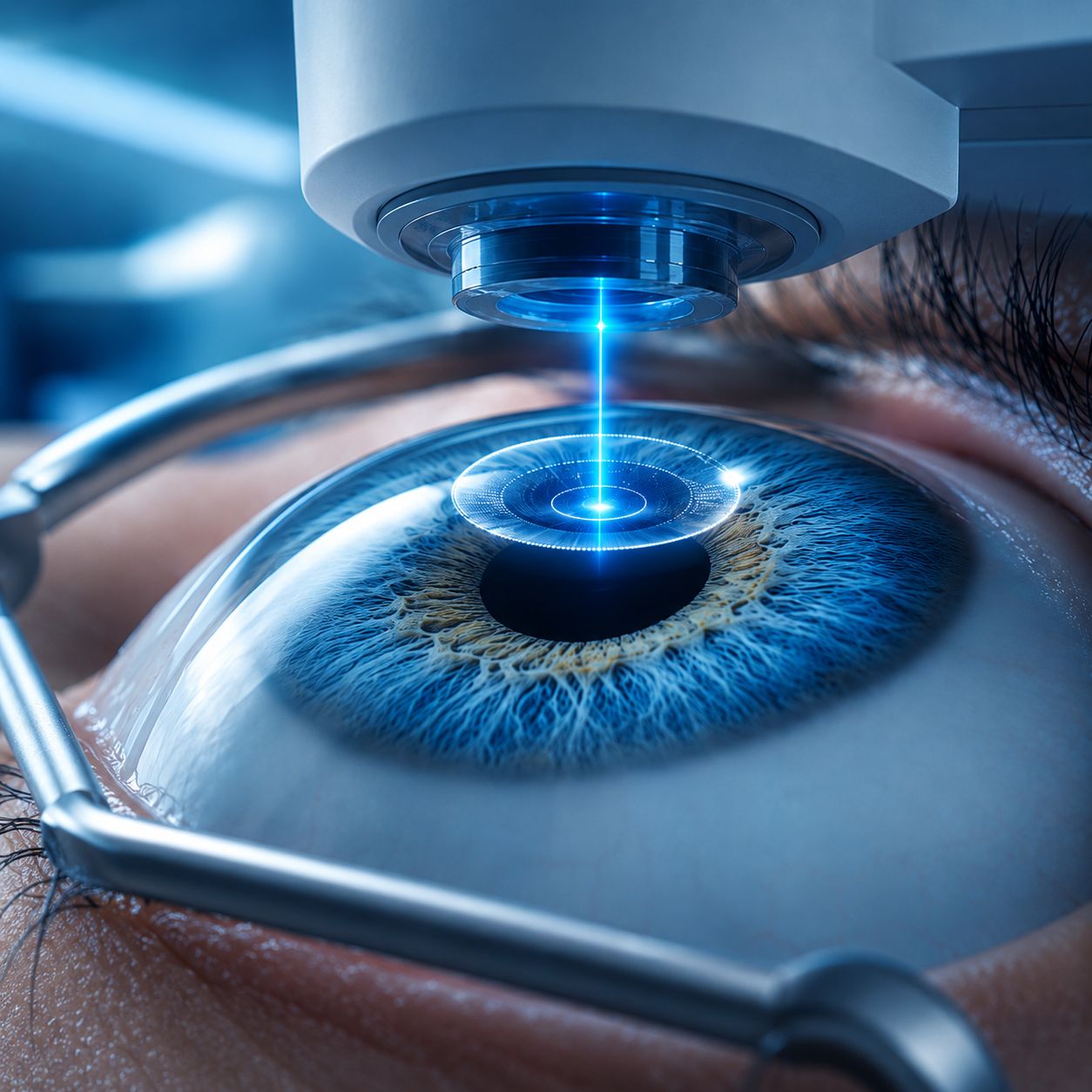
SILK surgery (Smooth Incision Lenticule Keratomileusis) is an advanced, flapless laser vision correction procedure used to treat refractive errors such as myopia (nearsightedness) and astigmatism. It is performed using a highly precise 2nd-generation femtosecond laser, which reshapes the cornea to improve how light focuses on the retina. Centre For Sight pioneered this advanced surgery in the world, from its clinical trials to performing the 1st surgery in the world. All the phases were strictly performed under the supervision of one of the nation’s most renowned eye surgeons, Prof. Dr Mahipal S Sachdev (Padma Shri Awardee).

Key Highlights of SILK Surgery:

  • Blade-free & flapless procedure
  • Uses advanced laser technology
  • Preserves corneal strength and biomechanics
  • Suitable for eligible patients seeking long-term vision correction

SILK laser eye surgery: A modern solution for myopia and astigmatism correction.

SILK Laser Eye Surgery Procedure – Step by Step

Age-related risk factors

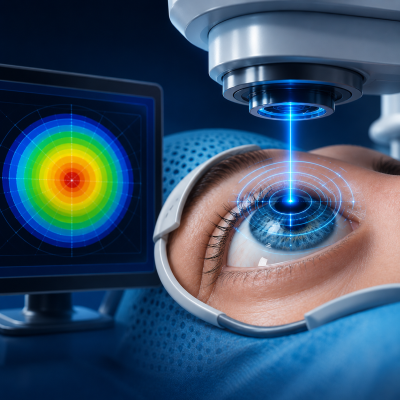
Before the procedure begins, your eyes undergo a high-resolution diagnostic workup to ensure precision and safety.

What happens:

  • Corneal topography & tomography map the shape and thickness of your cornea
  • Epithelial mapping helps detect subtle irregularities often missed in routine scans
  • Pupil dynamics analysis ensures better night vision outcomes

Why this step is critical:

  • Determines if you’re truly suitable for SILK eye surgery
  • Helps create a customised lenticule profile (the tissue layer to be removed)

Deep Insight:

Unlike traditional LASIK planning, SILK focuses on biomechanical preservation,meaning the laser plan is optimised to maintain corneal strength, not just correct power.

SILK vs Other Vision Correction Options

Doctor performing cataract examination

Core Difference:

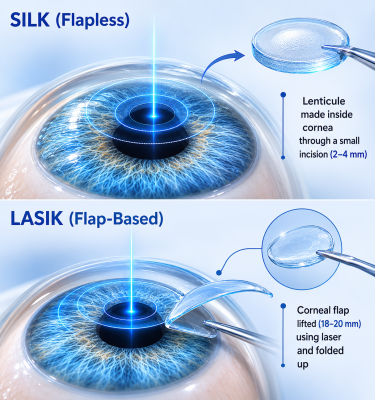
SILK is flapless, whereas LASIK involves creating a corneal flap.

SILK Laser Eye Surgery:

  • Uses lenticule-based technology to reshape the cornea from within
  • No flap creation → preserves anterior corneal (biomechanics)
  • Smaller incision (~2–4 mm) → less nerve disruption

LASIK Surgery:

  • Involves creating a corneal flap (8–20 mm) using a microkeratome or a femtosecond laser
  • Flap is lifted, cornea reshaped with excimer laser, then repositioned

Aspects:

  • Corneal Strength
  • Dry Eye Risk
  • Visual Recovery

SILK:

  • Better preservation due to intact anterior layers
  • Lower (less nerve disruption)
  • Faster (within 24 hours)

LASIK:

  • Reduced biomechanical strength due to flap creation
  • Higher incidence post-surgery
  • Slightly gradual but stable

The anterior 40% of the cornea contributes most to its tensile strength. SILK avoids disturbing this zone, which is why it is considered biomechanically superior to LASIK in many cases.

Your SILK Laser Eye Surgery Journey


Consultation & Advanced Eye Evaluation

Your journey towards clear vision begins with a comprehensive and highly detailed eye assessment. This step is not just about checking your power; it is a multi-layered diagnostic process designed to evaluate the safety, suitability, and expected outcomes of SILK laser eye surgery.

What this evaluation includes:

  • Corneal topography & tomography: Maps the curvature and detects subtle irregularities
  • Pachymetry (corneal thickness): Ensures sufficient tissue for safe correction
  • Tear film analysis: Assesses dryness risk before surgery
  • Pupil size measurement: Important for night vision quality
  • Detailed refraction test: Determines exact vision correction required

What you gain from this step:

  • A clear answer on whether SILK eye surgery is right for you
  • Comparison with alternatives like LASIK, PRK, or ICL, if needed
  • Realistic expectations regarding vision outcomes

The SILK Advantage


Vision types - near, intermediate and far vision illustration

Technology Behind SILK: What Actually Makes It Different

Monofocal lens diagram

Most people assume all laser eye surgeries reshape the cornea similarly. That’s not entirely true. What differentiates SILK at a deeper level is how cleanly and smoothly the corneal tissue is separated.

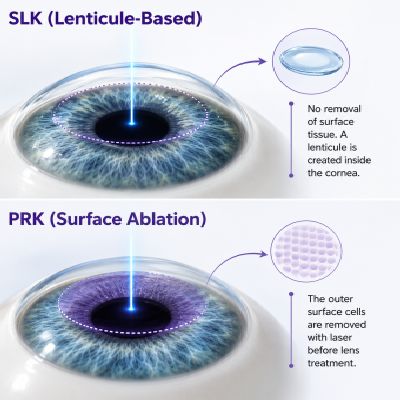
Traditional laser approaches, especially surface ablation, can leave behind microscopic irregularities on the corneal surface. Even in lenticule-based procedures, the interface quality of the cut plays a major role in how light eventually passes through the eye.

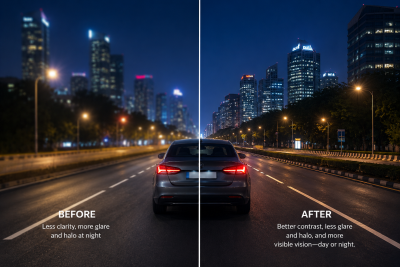
SILK technology focuses on creating a more uniform, smoother lenticule interface, which directly impacts how light is refracted after surgery.

Why this matters in real life:

  • Better contrast sensitivity, especially in low light
  • Reduced subtle distortions that are not captured in standard vision tests
  • More “natural” visual feel, not just sharpness on a chart

SILK Surgery Cost

SILK eye surgery cost in India generally depends on multiple factors and ranges between ₹1,10,000 and ₹1,40,000 for both eyes. At Centre For Sight, the procedure typically starts at ₹1,30,000 for both eyes, with the final price influenced by the patient’s prescription, case complexity, and additional consumables required. Factors such as hospital location, reputation, surgeon’s expertise, and the technology used also impact the cost. Most packages include pre-operative evaluations, the surgery itself, and post-operative follow-ups. Patients can also explore flexible payment options, including EMIs, to make the treatment more accessible.

Like any surgical procedure, SILK eye surgery carries certain risks and potential side effects. The good news is that these are usually minor, temporary, and can be effectively managed with proper care. Patients are advised to be aware of the following possibilities:

  • Temporary Discomfort: Some patients may experience mild discomfort or dryness after surgery, but this typically resolves within a few days.
  • Light Sensitivity: Patients might notice an increased sensitivity to light immediately after the procedure, which typically subsides within the first week.
  • Undercorrection or Overcorrection: Although rare, some patients may require an enhancement procedure if the desired visual outcome is not achieved initially.
  • Infection: As with any surgical procedure, there is a minimal risk of infection. However, following post-operative care and medication can lower this risk.

It is essential to discuss any concerns with your surgeon before surgery to understand the risks and manage expectations.

Why Choose Centre For Sight?

Seamless Patient Journey

From consultation to recovery, we ensure a smooth and comfortable experience at every step.

Expert Surgeons

Our team of highly skilled surgeons bring decades of combined experience in advanced eye care procedures.

Precision Tech

We leverage the latest diagnostics and surgical technologies, setting new standards in the field of eye care.

Proven Reputation

With 30+ years of trust, 15 Lac+ happy patients, and 90+ centres across India.

Order
27

Testimonials

Hear It From Our Happy Patients.

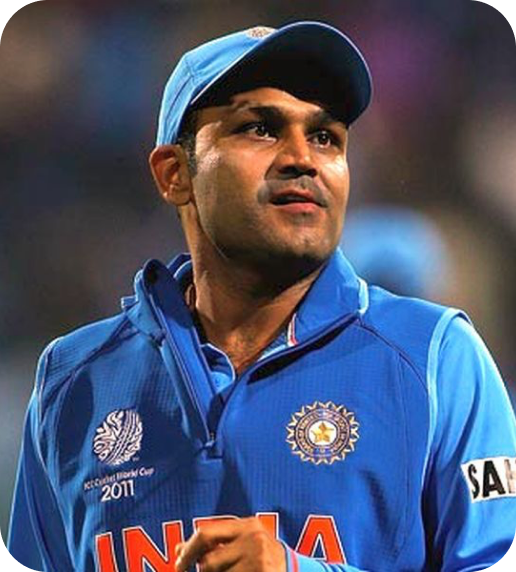
Virender Sehwag
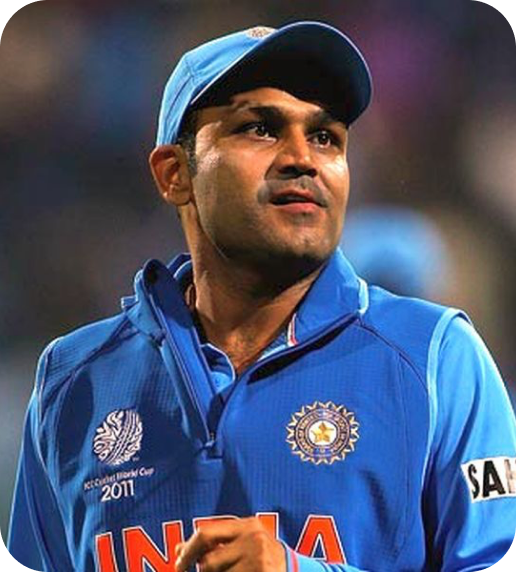
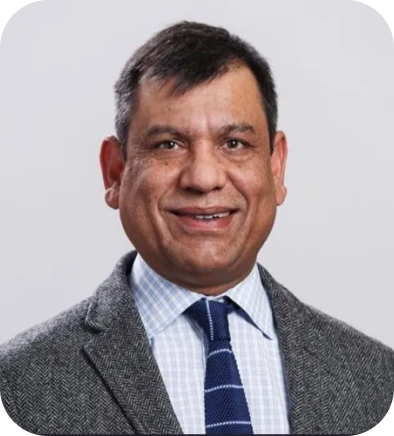
We’ve been consulting Centre for Sight for over a decade. His expertise brings peace of mind to both patients and families. The staff is courteous and patient, guiding smoothly and ensuring comfort. Every visit is a pleasant, relieving experience.Dr. Mahipal Sachdev, take a bow to your leadership and vision!
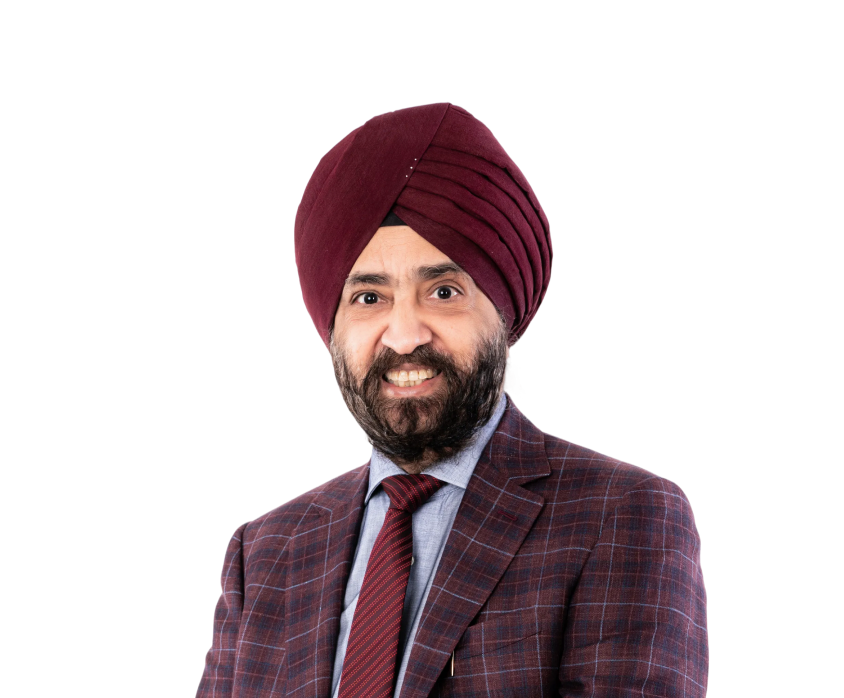
Abhaya Gupta Founder & Chief Visionary Officer, Nanya Inc.

Chose CFS For Eye Care

Virender Sehwag
My Mother Recently Underwent Cataract Surgery With Prof. Dr. Mahipal S. Sachdev, And We Are Extremely Satisfied With The Care And Outcome. Heartfelt Thanks To Dr. Sachdev And The Entire Centre For Sight Team For Their Professionalism, Expertise, And Warm Support Throughout The Process.
Virender Sehwag Former Indian Cricketer

Chose CFS For Cataract Surgery

Virender Sehwag
Seven Years Back, I Used To Wear Eyeglasses And Contact Lenses, But Then I Got SMILE Eye Surgery Done At Centre For Sight. It Has Been A Life-Changing Experience For Me. I Highly Recommend Centre For Sight.
Bipasha Basu Actress

Chose CFS For SMILE Eye Surgery

Virender Sehwag
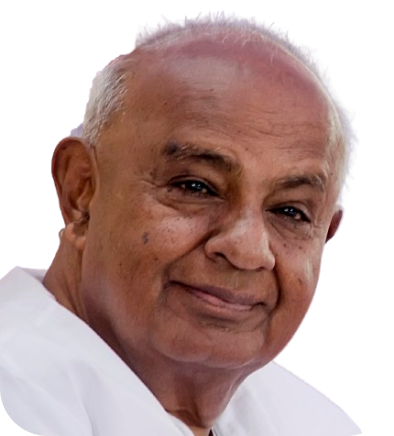
Highly appreciable of highest quality of care centre.Dr. Mahipal is an ophthalmologist of great excellence both in his caliber of work and his extremely courteous behavior. I wish him success of highest possible heights.
Shri H.D. Deve Gowda Former Prime Minister of India

Chose CFS For Eye Care

All Centres

Find The Nearest Eye Care Centre For Clearer Vision.

View All Our Centres

Frequently Asked Questions

Could not find what you are looking for?

Request a Callback

+91