



Bright Futures Begin with Early Eye Care

Timely detection and expert treatment of retinoblastoma can protect your child’s vision

Family enjoying clear vision

Understanding Retinoblastoma
(Eye Cancer in Kids)

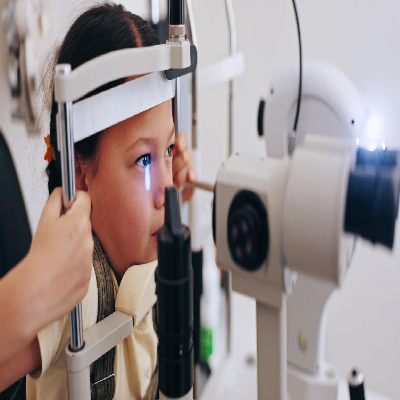
Doctor performing cataract examination

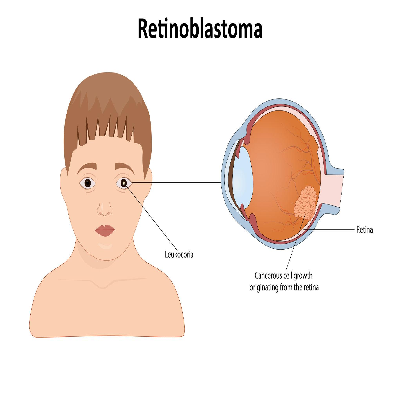
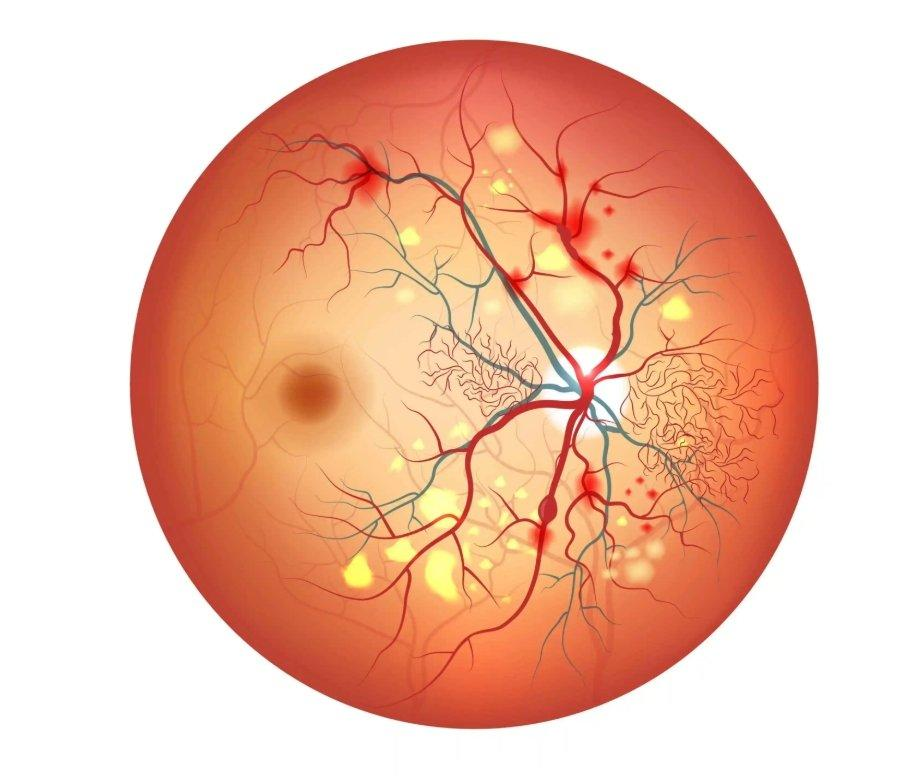
Retinoblastoma is a rare but serious eye cancer that primarily affects young children, usually under the age of five. It develops in the retina, the light-sensitive layer at the back of the eye and can impact vision if not identified early. Timely diagnosing retinoblastoma is critical, as early detection greatly improves both survival and vision outcomes.

With advancements in retinoblastoma treatment, many children today can be successfully treated while preserving useful vision. The treatment of retinoblastoma depends on factors such as tumor size, location, and stage, as well as overall eye health.

Key points to know:

  • Retinoblastoma is one of the most common eye cancers in children
  • Early diagnosing retinoblastoma improves treatment success rates
  • Modern retinoblastoma treatment focuses on saving both vision and life
  • Parents should also be aware of factors like retinoblastoma treatment cost when planning care

A condition where abnormal cells grow in the retina, affecting a child’s vision.

Risk Factors of Retinoblastoma

Age-related risk factors

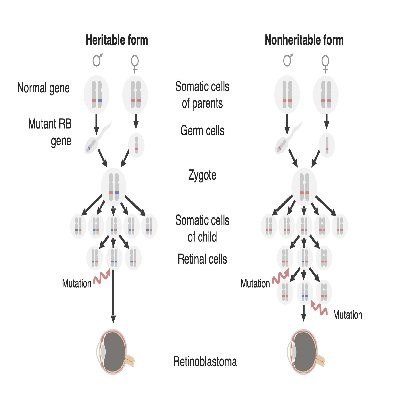
The most significant risk factor for retinoblastoma is linked to changes in the retinoblastoma gene (RB1). In many cases, this mutation can be inherited from parents, increasing the likelihood of developing the condition at an early age. Children with a family history require regular screening and early diagnosing retinoblastoma to ensure timely care.

Key points:

  • Mutation in the retinoblastoma gene leads to uncontrolled cell growth
  • Can be inherited from one or both parents
  • Higher risk of developing tumors in both eyes
  • Early screening helps in faster diagnosing retinoblastoma and planning retinoblastoma treatment

Types of Retinoblastoma

Femtosecond laser machine

Unilateral retinoblastoma affects only one eye and is the most common presentation of retinoblastoma. It typically develops due to non-inherited changes in the retinoblastoma gene and may be diagnosed slightly later than bilateral cases. Early diagnosis of retinoblastoma in such cases helps preserve vision and limits disease progression.

Key points:

  • Involves only one eye
  • Often non-heritable (sporadic mutation in the retinoblastoma gene)
  • Identified through early retinoblastoma symptoms and signs
  • Treatment of retinoblastoma can preserve the affected eye in many cases

Types of Retinoblastoma Treatment

Femtosecond laser machine

Laser therapy (photocoagulation) and cryotherapy (freezing treatment) are used in early-stage retinoblastoma to directly destroy small tumours in the retina. These are highly targeted procedures that help preserve vision while controlling tumour growth. When diagnosing retinoblastoma early, these treatments are often the first line of care and can reduce the need for more intensive interventions.

Benefits:

  • Best for small, localized tumors
  • Minimally invasive with quick recovery
  • Helps preserve vision effectively
  • Reduces overall retinoblastoma treatment cost in early stages

The Retinoblastoma Treatment Journey at Centre For Sight


Early Signs & Consultation

The journey begins when parents notice early retinoblastoma symptoms or unusual eye changes in their child. Prompt consultation with a specialist enables early diagnosing retinoblastoma, which is critical for better outcomes and vision preservation.

At this stage:

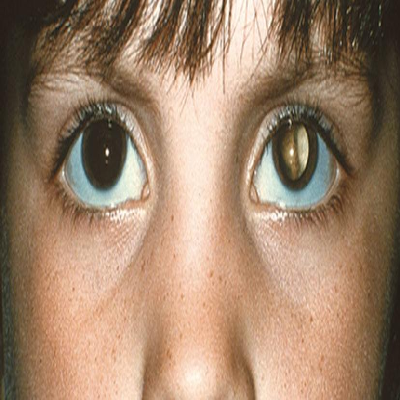
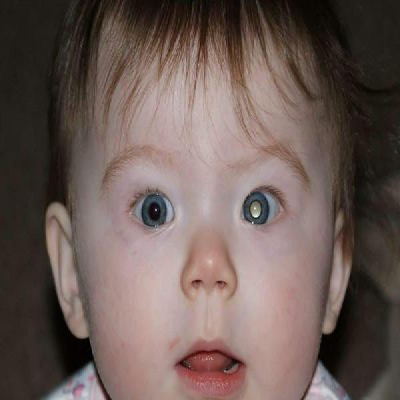
  • Identification of early retinoblastoma signs like white reflex or squint
  • Review of family history and retinoblastoma gene risk
  • Initial pediatric eye examination
  • Referral for further evaluation if required

Life After Retinoblastoma Treatment


Vision types - near, intermediate and far vision illustration

Vision Outcomes Post Retinoblastoma Treatment

Monofocal lens diagram

With early diagnosing retinoblastoma and timely retinoblastoma treatment, many children retain functional vision. Advanced therapies focus on saving both life and sight wherever possible.

Key points:

  • Possible in early-stage retinoblastoma
  • Tumor treated while preserving retina
  • Child can achieve near-normal visual development
  • Best outcomes with early intervention

Cost of Retinoblastoma Treatment

Retinoblastoma treatment costs in India vary greatly depending on the severity of the condition and the required treatment approach. Factors such as the stage of the disease, type of treatment (chemotherapy, surgery, laser therapy, or radiotherapy), duration of hospitalisation, and follow-up care all impact the overall expenditure. Costs also differ between government hospitals, private healthcare providers, and specialised cancer centres. Individual procedures may include laser therapy or cryotherapy (₹20,000–₹45,000), radiation (₹80,000–₹1,50,000), and enucleation surgery (₹70,000–₹1,20,000).

While retinoblastoma treatment is highly effective, certain risks and complications may occur depending on the treatment type. Being aware of these helps in timely management and better outcomes.

Possible risks and complications of retinoblastoma treatment:

  • Vision Loss: Partial or complete loss of vision in the affected eye in advanced cases
  • Recurrence of Tumor: Requires continuous monitoring and follow-up care
  • Infection or Inflammation: Can occur after certain treatments but is manageable
  • Side Effects of Chemotherapy: Temporary effects like fatigue or lowered immunity
  • Impact on Surrounding Structures: In rare cases, nearby tissues may be affected

Important considerations:

  • Early diagnosing retinoblastoma reduces complication risks
  • Advanced retinoblastoma treatment techniques minimize side effects
  • Regular monitoring helps control long-term risks
  • Understanding retinoblastoma treatment cost includes managing follow-up care

Why Choose Centre For Sight?

Seamless Patient Journey

From consultation to recovery, we ensure a smooth and comfortable experience at every step.

Expert Surgeons

Our team of highly skilled surgeons bring decades of combined experience in advanced eye care procedures.

Precision Tech

We leverage the latest diagnostics and surgical technologies, setting new standards in the field of eye care.

Proven Reputation

With 30+ years of trust, 15 Lac+ happy patients, and 90+ centres across India.

Order
26

Testimonials

Hear It From Our Happy Patients.

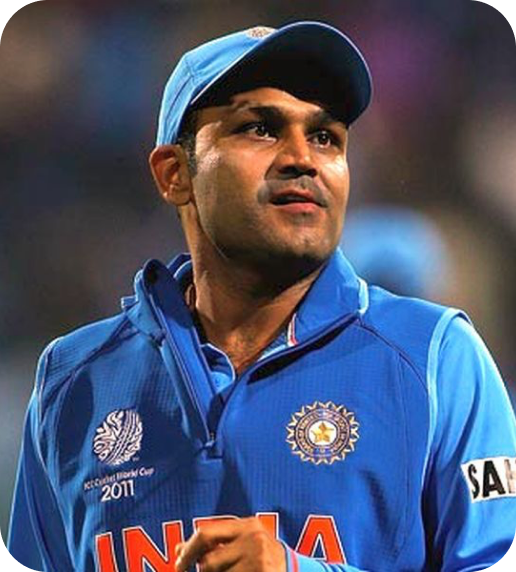
Virender Sehwag
We’ve been consulting Centre for Sight for over a decade. His expertise brings peace of mind to both patients and families. The staff is courteous and patient, guiding smoothly and ensuring comfort. Every visit is a pleasant, relieving experience.Dr. Mahipal Sachdev, take a bow to your leadership and vision!
Abhaya Gupta Founder & Chief Visionary Officer, Nanya Inc.

Chose CFS For Eye Care

Virender Sehwag
My Mother Recently Underwent Cataract Surgery With Prof. Dr. Mahipal S. Sachdev, And We Are Extremely Satisfied With The Care And Outcome. Heartfelt Thanks To Dr. Sachdev And The Entire Centre For Sight Team For Their Professionalism, Expertise, And Warm Support Throughout The Process.
Virender Sehwag Former Indian Cricketer

Chose CFS For Cataract Surgery

Virender Sehwag
Seven Years Back, I Used To Wear Eyeglasses And Contact Lenses, But Then I Got SMILE Eye Surgery Done At Centre For Sight. It Has Been A Life-Changing Experience For Me. I Highly Recommend Centre For Sight.
Bipasha Basu Actress

Chose CFS For SMILE Eye Surgery

Virender Sehwag
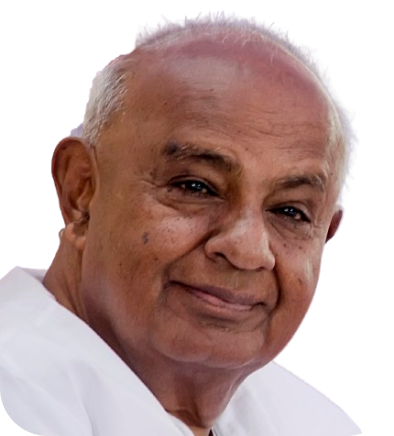
Highly appreciable of highest quality of care centre.Dr. Mahipal is an ophthalmologist of great excellence both in his caliber of work and his extremely courteous behavior. I wish him success of highest possible heights.
Shri H.D. Deve Gowda Former Prime Minister of India

Chose CFS For Eye Care

All Centres

Find The Nearest Eye Care Centre For Clearer Vision.

View All Our Centres

Frequently Asked Questions

Could not find what you are looking for?

Request a Callback

+91