




Comfort for Your Eyes, Comfort for Your Life.

Get advanced dry eyes treatment, ocular surface disease, and chronic eye discomfort solution.

Family enjoying clear vision

Understanding Ocular Surface & Dry Eye Syndrome

Doctor performing cataract examination

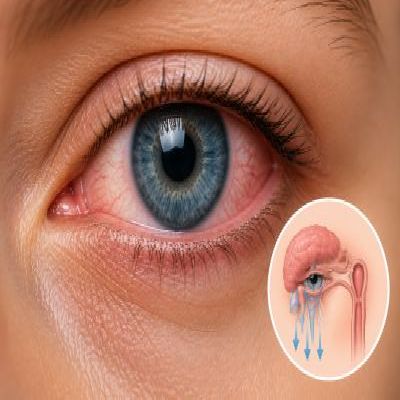
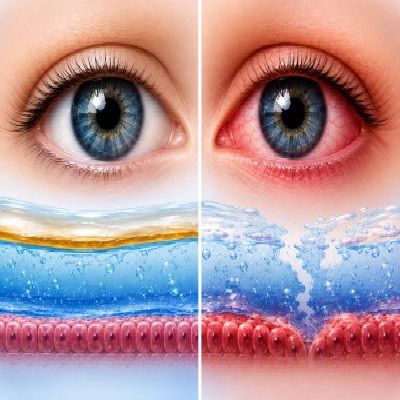
Dry Eye Syndrome is a common ocular surface disease that occurs when the eyes do not produce enough tears or when the tear film evaporates too quickly. Tears play a vital role in maintaining a healthy ocular surface by keeping the eyes lubricated, smooth, nourished, and protected from infection and environmental irritation. When this delicate tear film becomes unstable, patients may experience dryness, burning, itching, redness, watery eyes, fluctuating vision, and eye fatigue.

Dry eye syndrome can affect people of all age groups, but is more commonly seen in adults over 40, especially women, digital screen users, contact lens wearers, and individuals with medical conditions affecting the ocular surface. If left untreated, chronic dry eyes can damage the ocular surface, affect vision quality, increase sensitivity to light, and interfere with daily activities

Ocular surface disorder is when the eyes do not produce enough quality tears.

Types of Ocular Surface Diseases & Dry Eye Disorders

Age-related risk factors

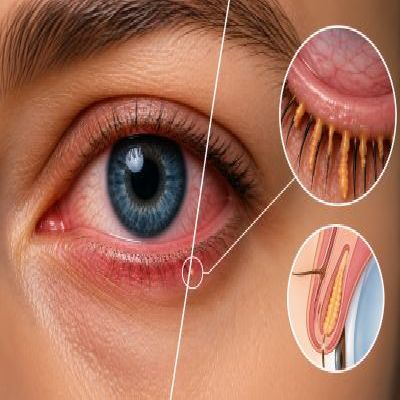
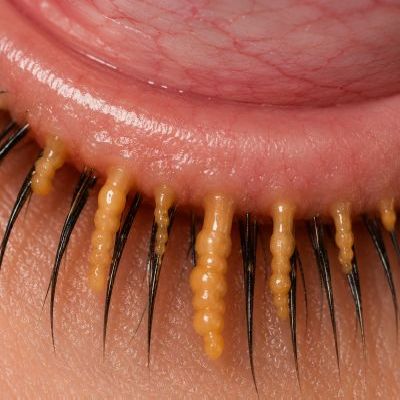
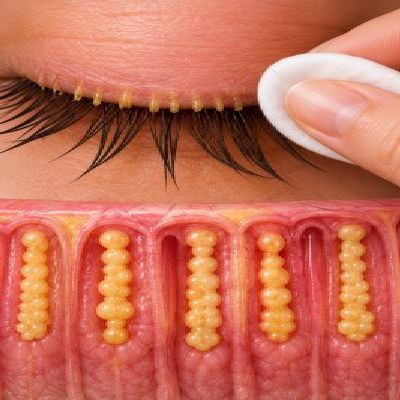
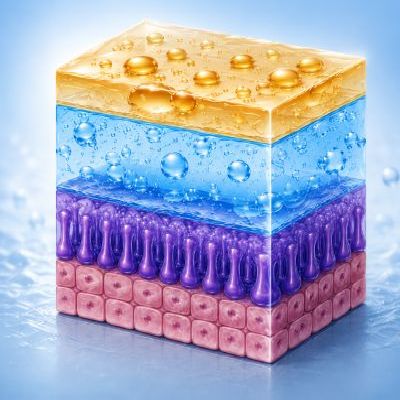
Evaporative Dry Eye Disease develops when the protective oil layer of the tear film becomes weak or deficient, causing tears to evaporate too quickly from the ocular surface. This condition is most commonly linked to Meibomian Gland Dysfunction (MGD), where the eyelid oil glands fail to produce healthy oils needed to maintain tear stability.

Patients often notice burning sensations, redness, fluctuating vision, and eye fatigue that worsen during prolonged screen use or exposure to air conditioning and pollution. Because modern lifestyles reduce natural blinking frequency, evaporative dry eye has become increasingly common among digital device users and working professionals.

Early diagnosis helps restore tear film balance and prevents long-term ocular surface inflammation that may affect visual comfort and eye health.

Treatment Options for Ocular Surface Disease

Age-related risk factors

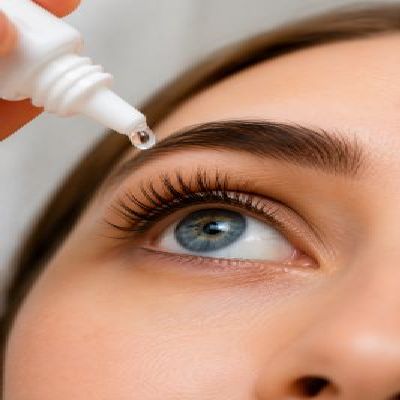
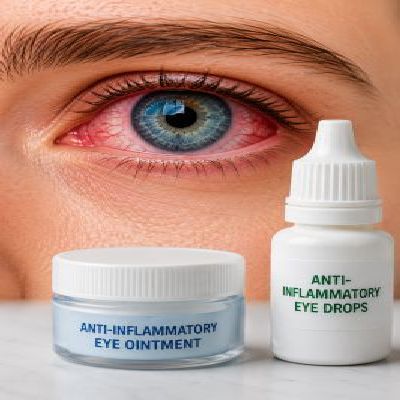
Artificial tears are one of the most commonly recommended treatments for mild to moderate dry eye syndrome and ocular surface irritation. These lubricating eye drops help replenish moisture, stabilise the tear film, and reduce discomfort caused by tear evaporation and dryness.

While artificial tears provide temporary symptom relief, they are often combined with other dry eye treatment options when inflammation or meibomian gland dysfunction is involved.

Regular ocular surface lubrication helps improve visual comfort, reduce redness, and protect the cornea from chronic dryness-related irritation.

Your Dry Eye Treatment Journey at Centre For Sight


Consultation & Symptom Assessment

Your dry eyes treatment journey begins with a detailed consultation focused on understanding your symptoms, medical history, lifestyle habits, and environmental triggers. Since ocular surface disease and dry eye syndrome can develop due to multiple factors, identifying the root cause is essential for creating an effective treatment plan.

During the consultation, specialists evaluate:

  • Burning or stinging sensation
  • Redness and watery eyes
  • Eye fatigue during screen use
  • Blurred or fluctuating vision
  • Contact lens discomfort
  • Sensitivity to light
  • Environmental and workplace triggers

Understanding how dry eye syndrome affects your daily activities helps specialists determine the severity of the ocular surface disorder and recommend the most suitable dry eye syndrome treatments.

Understanding the Tear Film & Ocular Surface


Vision types - near, intermediate and far vision illustration


Monofocal lens diagram

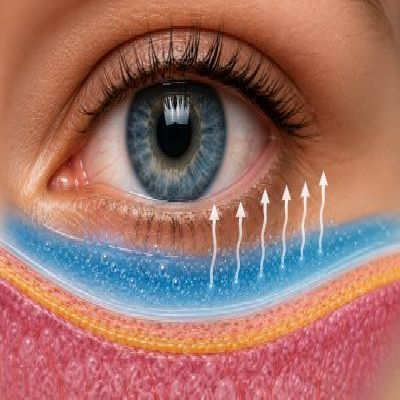
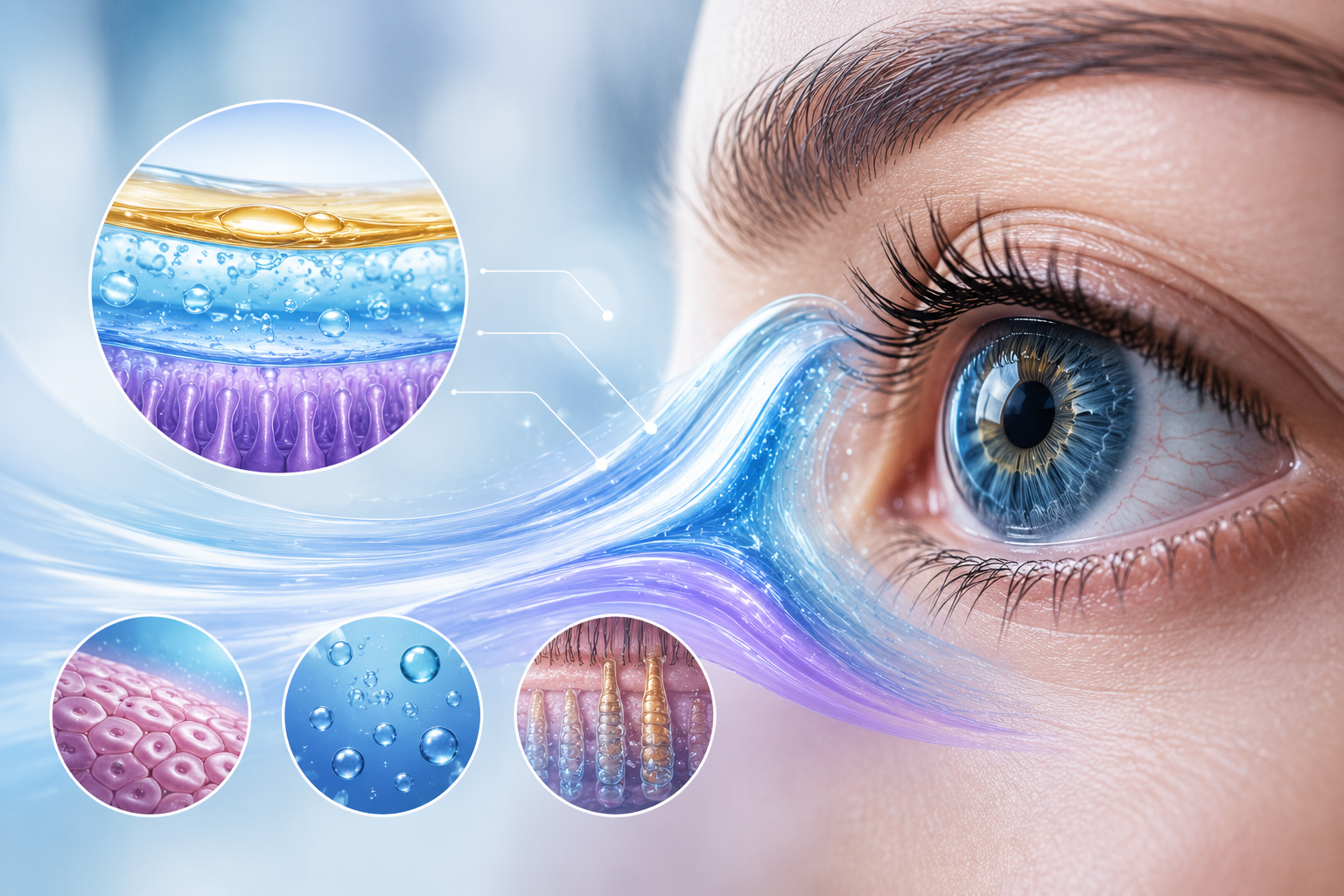
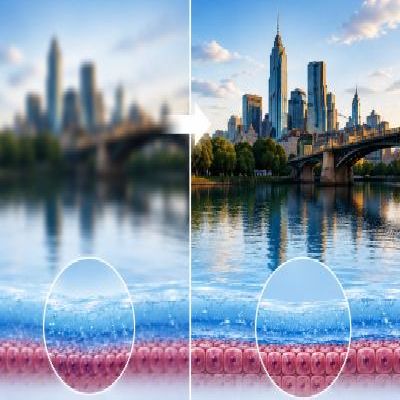
A healthy tear film forms a smooth protective layer over the ocular surface, helping maintain stable vision, comfortable blinking, and proper eye hydration throughout the day. This balanced tear layer protects the cornea from dryness, environmental irritation, and excessive tear evaporation.

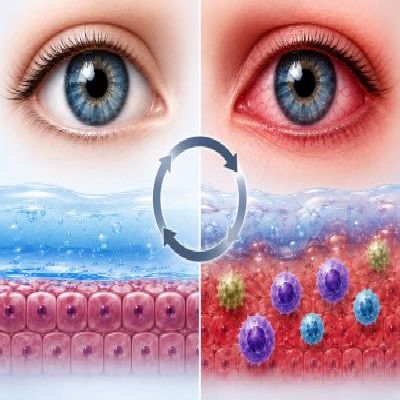
In dry eye syndrome, the tear film becomes unstable due to poor tear quality, inflammation, or rapid tear evaporation. As a result, the ocular surface becomes irritated and uneven, causing burning sensations, redness, fluctuating vision, watery eyes, and chronic eye discomfort.

Dry Eye Treatment Cost

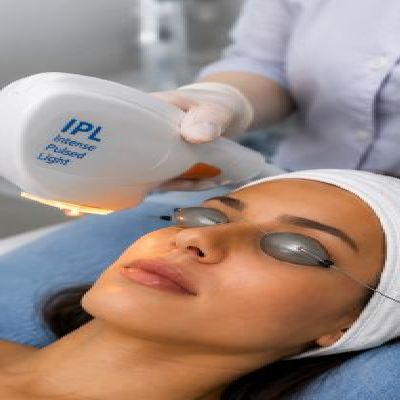
The cost of dry eyes treatment and ocular surface disease management depends on the severity of the condition, underlying causes of dry eyes, diagnostic evaluation, and the type of treatment recommended. Mild dry eye syndrome may improve with lubricating eye drops and lifestyle modifications, while chronic ocular surface disorders may require advanced therapies such as IPL treatment, meibomian gland dysfunction therapy, or personalised ocular surface care.

Chronic Ocular Surface

  • Inflammation: Persistent dryness can trigger long-term inflammation on the ocular surface, leading to ongoing redness, burning sensation, irritation, and discomfort during daily activities.
  • Blurry & Fluctuating Vision: An unstable tear film prevents light from focusing properly on the ocular surface, causing blurry vision, glare sensitivity, and difficulty maintaining visual clarity during reading, driving, or screen use.
  • Corneal Surface Damage: Severe dry eye syndrome may damage the corneal surface due to inadequate lubrication and reduced tear protection. This can increase sensitivity to light and affect long-term ocular eye health.
  • Increased Eye Fatigue & Screen Discomfort: Patients with chronic dry eyes often experience worsening eye strain, headaches, and visual fatigue during prolonged digital screen exposure or detailed visual tasks.
  • Higher Risk of Eye Infections: Tears play an important protective role in defending the eyes against bacteria and environmental irritants. Reduced tear quality may increase the risk of ocular surface infections and irritation.

Why Choose Centre For Sight?

Seamless Patient Journey

From consultation to recovery, we ensure a smooth and comfortable experience at every step.

Expert Surgeons

Our team of highly skilled surgeons bring decades of combined experience in advanced eye care procedures.

Precision Tech

We leverage the latest diagnostics and surgical technologies, setting new standards in the field of eye care.

Proven Reputation

With 30+ years of trust, 15 Lac+ happy patients, and 90+ centres across India.

Order
19

Testimonials

Hear It From Our Happy Patients.

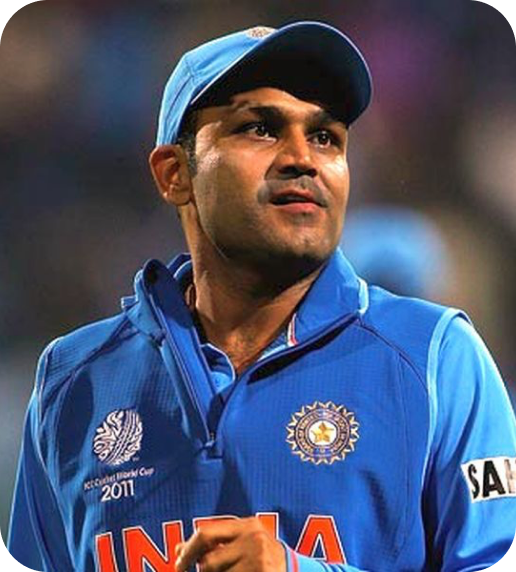
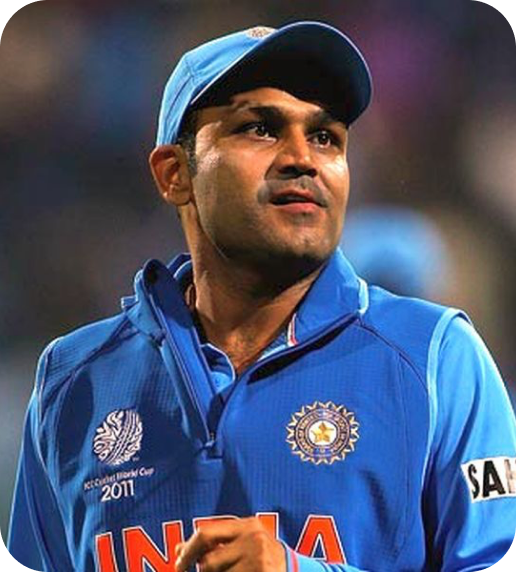
Virender Sehwag
We’ve been consulting Centre for Sight for over a decade. His expertise brings peace of mind to both patients and families. The staff is courteous and patient, guiding smoothly and ensuring comfort. Every visit is a pleasant, relieving experience.Dr. Mahipal Sachdev, take a bow to your leadership and vision!
Abhaya Gupta Founder & Chief Visionary Officer, Nanya Inc.

Chose CFS For Eye Care

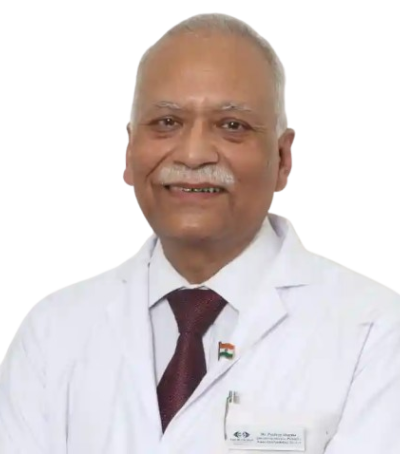
Virender Sehwag
My Mother Recently Underwent Cataract Surgery With Prof. Dr. Mahipal S. Sachdev, And We Are Extremely Satisfied With The Care And Outcome. Heartfelt Thanks To Dr. Sachdev And The Entire Centre For Sight Team For Their Professionalism, Expertise, And Warm Support Throughout The Process.
Virender Sehwag Former Indian Cricketer

Chose CFS For Cataract Surgery

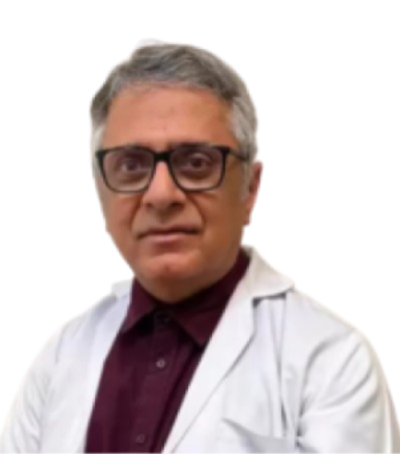
Virender Sehwag
Seven Years Back, I Used To Wear Eyeglasses And Contact Lenses, But Then I Got SMILE Eye Surgery Done At Centre For Sight. It Has Been A Life-Changing Experience For Me. I Highly Recommend Centre For Sight.
Bipasha Basu Actress

Chose CFS For SMILE Eye Surgery

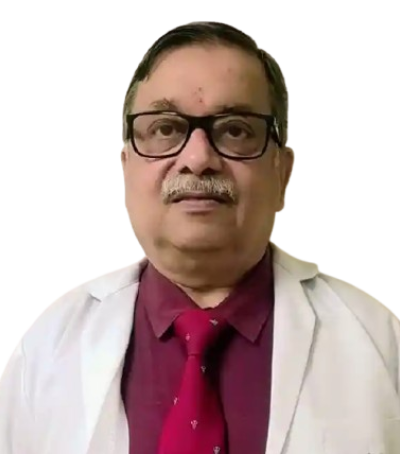
Virender Sehwag
Highly appreciable of highest quality of care centre.Dr. Mahipal is an ophthalmologist of great excellence both in his caliber of work and his extremely courteous behavior. I wish him success of highest possible heights.
Shri H.D. Deve Gowda Former Prime Minister of India

Chose CFS For Eye Care

All Centres

Find The Nearest Eye Care Centre For Clearer Vision.

View All Our Centres

Frequently Asked Questions

Could not find what you are looking for?

Request a Callback

+91