



Advanced Ocular Oncology Care for Vision & Life.

Experience accurate ocular cancer diagnosis & treatment technologies to help preserve vision.

Family enjoying clear vision

Understanding Ocular Oncology

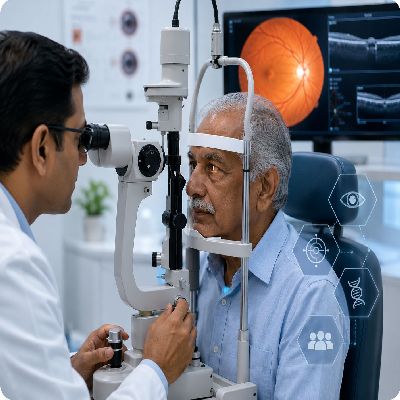
Doctor performing cataract examination

Ocular oncology is a highly specialised field of ophthalmology dedicated to the detection, evaluation, and treatment of cancers affecting the eye and nearby structures. It focuses on preserving vision, protecting eye health, and managing both benign and malignant eye tumours with advanced diagnostic and treatment approaches.

What Conditions Are Managed in Ocular Oncology?

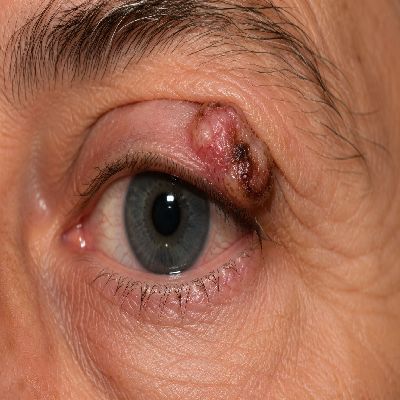
  • Eye tumours affecting the retina, choroid, conjunctiva, eyelid, and orbit
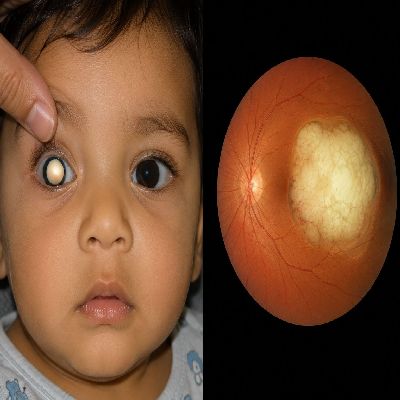
  • Retinoblastoma and ocular melanoma
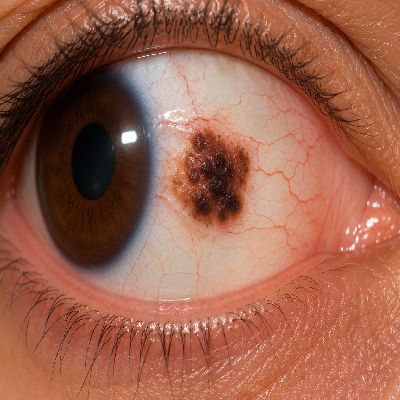
  • Orbital and ocular surface cancers
  • Secondary cancers that spread to the eye from other organs
  • Benign ocular growths requiring monitoring or treatment

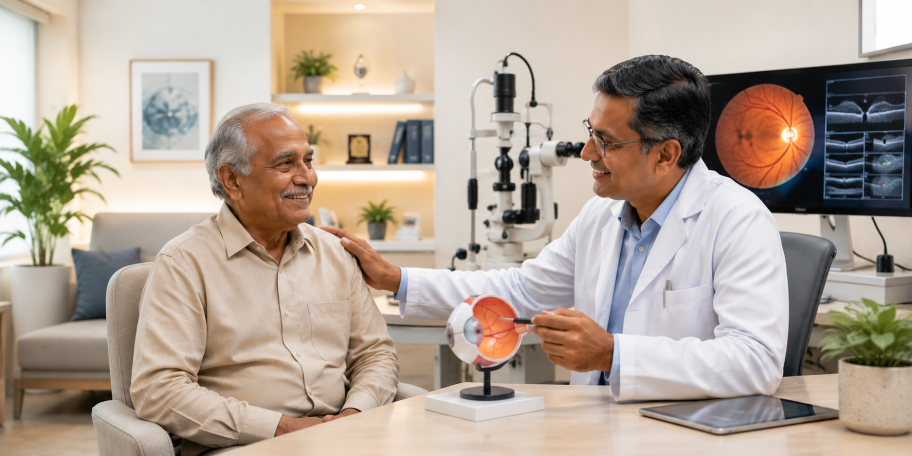
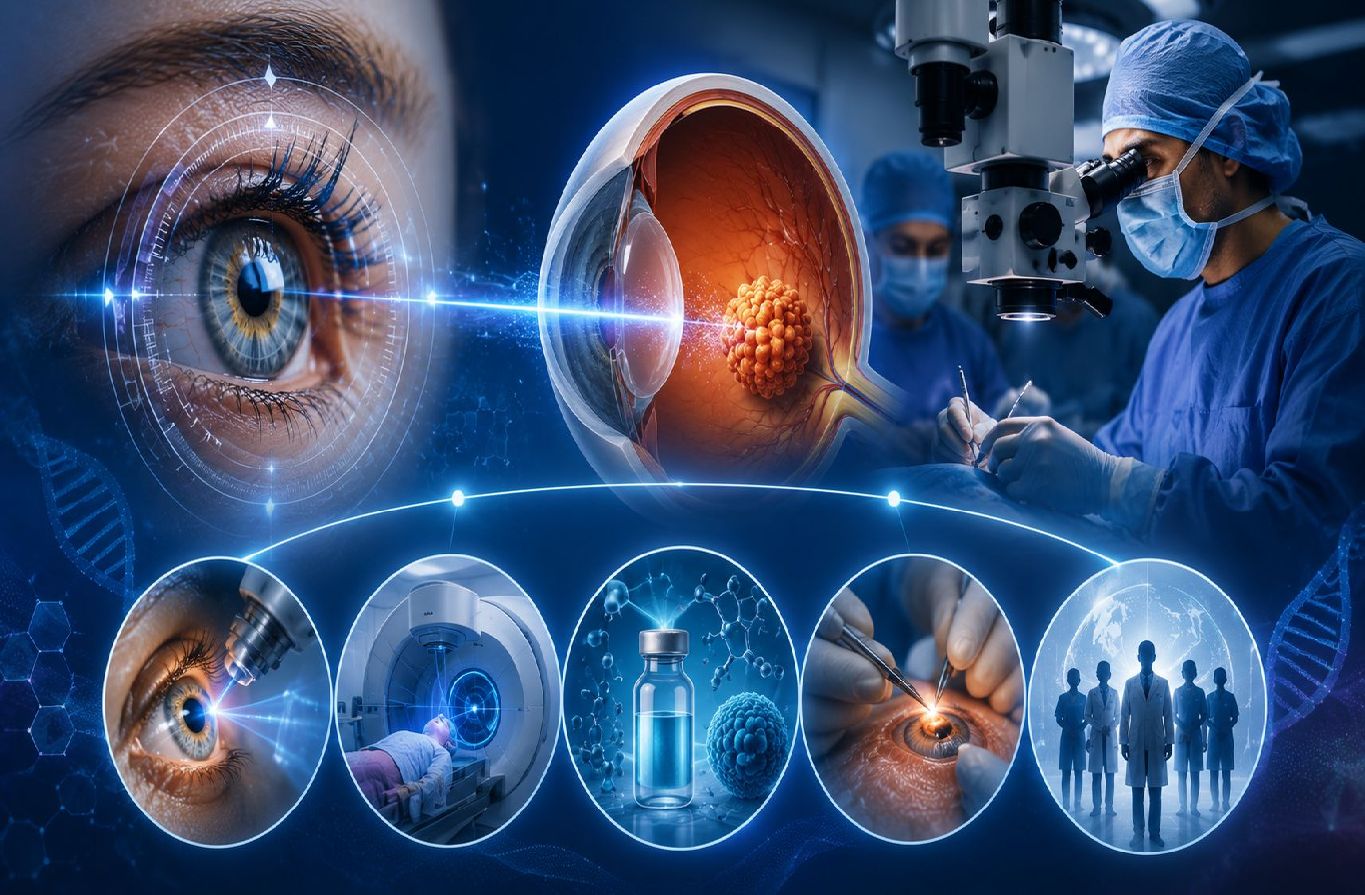
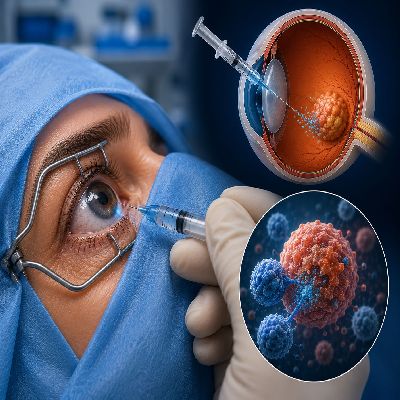
Advanced ocular oncology evaluation and diagnosis help detect eye tumours early and support vision-preserving treatment.

What Increases the Risk of Eye Cancer?

Age-related risk factors

Some eye cancers develop due to inherited genetic mutations or a strong family history of ocular tumours. Conditions such as retinoblastoma and certain pigment-related disorders can significantly increase the need for early ocular oncology screening and long-term monitoring.

Common Genetic Risk Indicators:

  • Family history of eye cancer
  • Inherited retinal disorders
  • Retinoblastoma-related gene mutations
  • Genetic syndromes affecting ocular tissues
  • Abnormal pigmentation conditions

Early genetic evaluation and timely ocular cancer diagnosis can help detect tumours sooner and improve treatment planning.

Types of Ocular Cancers & Eye Tumours

Age-related risk factors

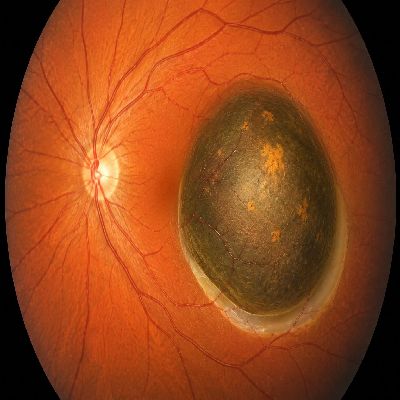
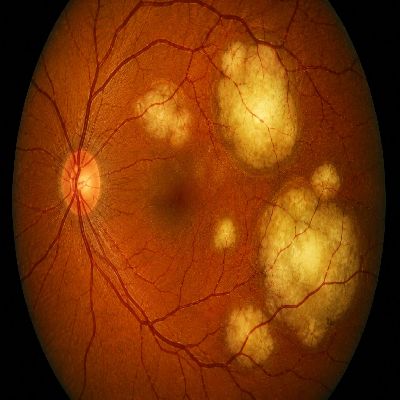
Uveal melanoma is one of the most common primary eye cancers in adults and develops within the inner structures of the eye, including the iris, choroid, and ciliary body. These intraocular tumours are a major focus in ocular oncology because they can threaten both vision and overall health if left untreated.

Conditions Included:

  • Uveal melanoma
  • Choroidal tumours
  • Iris melanoma
  • Ciliary body tumours
  • Other intraocular malignancies

Advanced ocular cancer diagnosis using retinal imaging, OCT scans, and ocular ultrasound helps detect intraocular tumours early and supports timely vision-preserving treatment.

How Ocular Cancer Is Diagnosed


Comprehensive Eye Examination

The diagnosis process begins with a detailed eye examination performed by an ocular oncology specialist. During this stage, doctors evaluate visual symptoms, retinal abnormalities, pupil reactions, eye movements, ocular surface changes, and suspicious lesions affecting the eye or surrounding tissues.

Diagnostic Evaluations May Include:

  • Dilated retinal examination
  • Slit-lamp biomicroscopy
  • Visual acuity assessment
  • Eye pressure testing
  • External eye and eyelid examination
  • Orbital and ocular surface evaluation

Early clinical evaluation plays a vital role in identifying abnormal eye changes before ocular tumours progress further.

Advanced Ocular Cancer Treatment Options


Vision types - near, intermediate and far vision illustration

Types of Ocular Cancer Treatments & Vision Preservation Approaches

Age-related risk factors

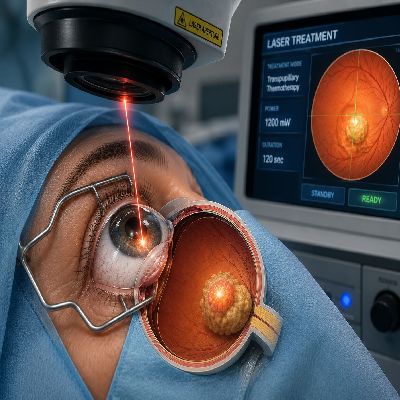
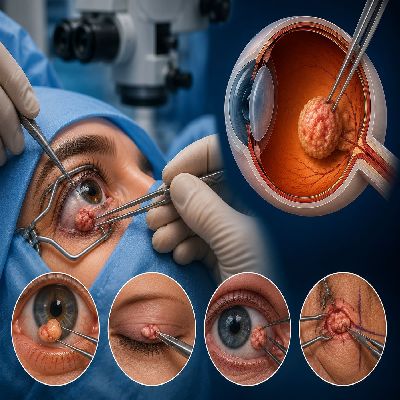
Laser-based procedures are commonly used in ocular oncology to treat selected retinal and intraocular tumours while preserving surrounding healthy eye tissues. These minimally invasive therapies help control tumour growth with greater precision and reduced damage to vision-critical structures.

Treatments May Include:

  • Laser photocoagulation
  • Transpupillary thermotherapy (TTT)
  • Thermal tumour ablation
  • Retinal laser treatment
  • Localised tumour destruction techniques

These advanced therapies are often recommended for smaller ocular tumours detected during early ocular cancer diagnosis and may reduce the need for extensive surgery.

How Ocular Cancer Treatment Cost Is Determined

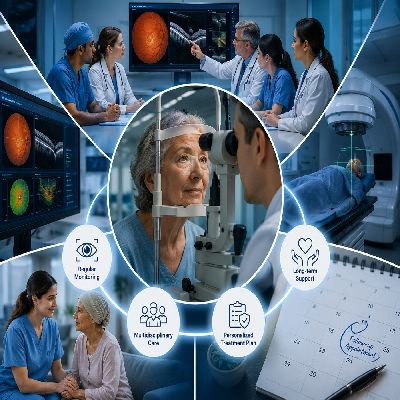
Every patient diagnosed with ocular cancer requires a personalised treatment strategy based on tumour type, severity, eye involvement, and overall health condition.

Treatment Planning Factors

Type of Ocular Tumour

Tumour Size & Location

Stage & Spread of Cancer

Vision & Eye Health Status

Overall Medical Condition

Need for Multidisciplinary Care

Why It Matters 
 

Different cancers require different treatment approaches

Determines whether vision-preserving treatment is possible

Helps assess the complexity and urgency of treatment

Important for selecting safe treatment strategies

Influences surgical eligibility and recovery planning

Advanced cases may require combined oncology support

Benefits of Early Ocular Cancer Detection

  • Better Vision Preservation: Early-stage tumours are often easier to treat while protecting healthy retinal and ocular tissues.
  • Reduced Risk of Cancer Spread: Prompt diagnosis lowers the chances of tumour progression into surrounding eye structures or other parts of the body.
  • More Treatment Options: Patients diagnosed early may benefit from minimally invasive ocular cancer treatment approaches instead of complex surgeries.
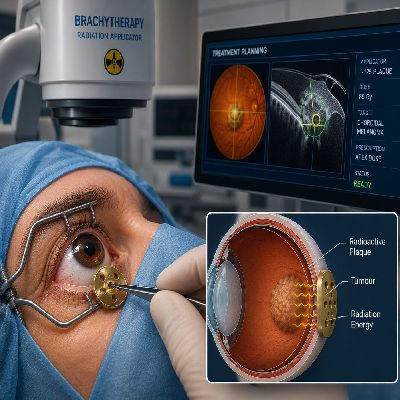
  • Improved Treatment Precision: Smaller tumours can be treated more accurately using laser therapy, radiation planning, or targeted therapies.
  • Faster Recovery & Better Outcomes: Early intervention in ocular oncology often supports better visual recovery, fewer complications, and improved quality of life.

Why Choose Centre For Sight?

Seamless Patient Journey

From consultation to recovery, we ensure a smooth and comfortable experience at every step.

Expert Surgeons

Our team of highly skilled surgeons bring decades of combined experience in advanced eye care procedures.

Precision Tech

We leverage the latest diagnostics and surgical technologies, setting new standards in the field of eye care.

Proven Reputation

With 30+ years of trust, 15 Lac+ happy patients, and 90+ centres across India.

Order
17

Testimonials

Hear It From Our Happy Patients.

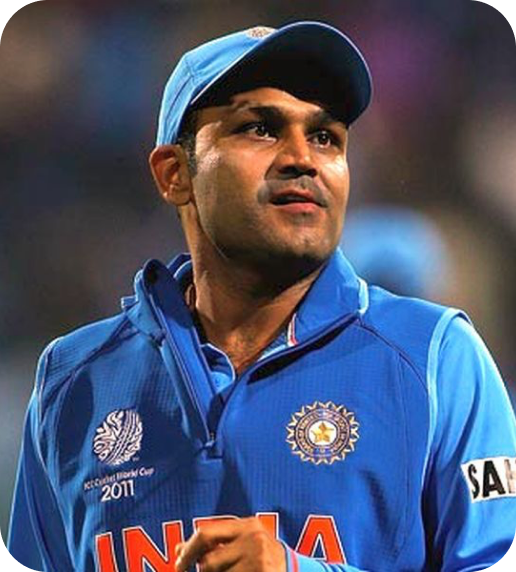
Virender Sehwag
We’ve been consulting Centre for Sight for over a decade. His expertise brings peace of mind to both patients and families. The staff is courteous and patient, guiding smoothly and ensuring comfort. Every visit is a pleasant, relieving experience.Dr. Mahipal Sachdev, take a bow to your leadership and vision!
Abhaya Gupta Founder & Chief Visionary Officer, Nanya Inc.

Chose CFS For Eye Care

Virender Sehwag
My Mother Recently Underwent Cataract Surgery With Prof. Dr. Mahipal S. Sachdev, And We Are Extremely Satisfied With The Care And Outcome. Heartfelt Thanks To Dr. Sachdev And The Entire Centre For Sight Team For Their Professionalism, Expertise, And Warm Support Throughout The Process.
Virender Sehwag Former Indian Cricketer

Chose CFS For Cataract Surgery

Virender Sehwag
Seven Years Back, I Used To Wear Eyeglasses And Contact Lenses, But Then I Got SMILE Eye Surgery Done At Centre For Sight. It Has Been A Life-Changing Experience For Me. I Highly Recommend Centre For Sight.
Bipasha Basu Actress

Chose CFS For SMILE Eye Surgery

Virender Sehwag
Highly appreciable of highest quality of care centre.Dr. Mahipal is an ophthalmologist of great excellence both in his caliber of work and his extremely courteous behavior. I wish him success of highest possible heights.
Shri H.D. Deve Gowda Former Prime Minister of India

Chose CFS For Eye Care

All Centres

Find The Nearest Eye Care Centre For Clearer Vision.

View All Our Centres

Frequently Asked Questions

Could not find what you are looking for?

Request a Callback

+91