

Comprehensive Neuro Ophthalmology Care

Experience Advanced Treatment for Complex Optic Nerve Disorders.

Family enjoying clear vision

Understanding Neuro Ophthalmology

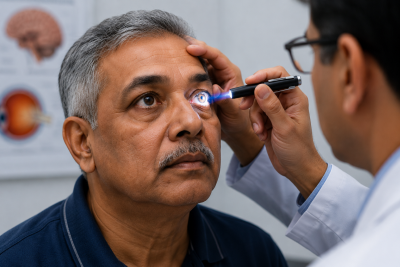
Doctor performing cataract examination

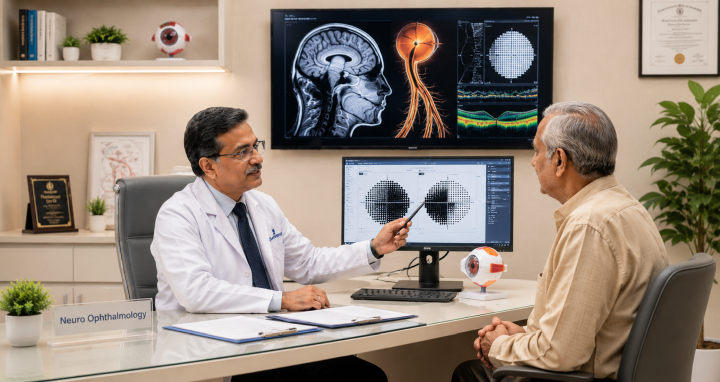
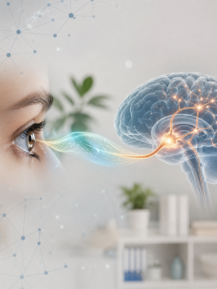
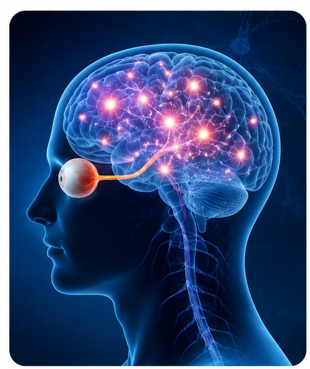
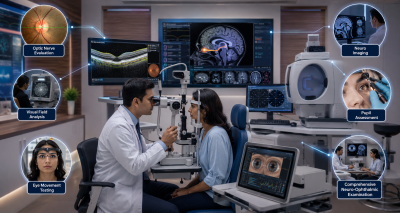
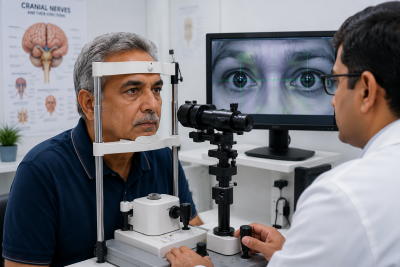
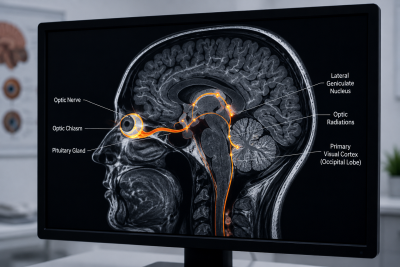
Neuro ophthalmology is a specialized field that combines ophthalmology and neurology to diagnose and manage vision problems related to the brain, optic nerves, and nervous system. In simple terms, the neuro ophthalmology meaning refers to the evaluation of neurological conditions that affect visual function, eye movements, pupils, and visual pathways connecting the eyes to the brain.

A neuro ophthalmologist treats complex visual disorders that may not originate from the eye itself but from underlying neurological disease. Understanding what neuro ophthalmology is is important because many serious neurological conditions first present through changes in vision or eye movement.

Specialised care for vision disorders linked to the brain, optic nerves, and neurological visual pathways.

Common Causes of Neuro Ophthalmic Disorders

Age-related risk factors

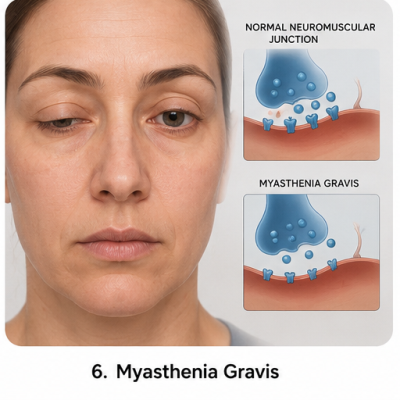
Many neuro-ophthalmic disorders develop due to conditions affecting the brain, cranial nerves, or neurological control of vision and eye movements. These disorders can interfere with how visual signals travel between the eyes and the brain, leading to complex vision-related symptoms.

Common neurological causes include:

  • Multiple sclerosis
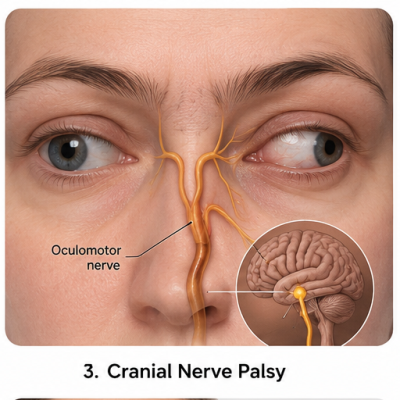
  • Cranial nerve palsy
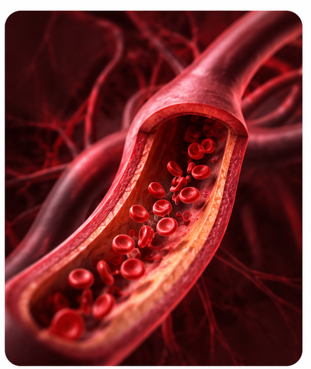
  • Stroke-related neurological damage
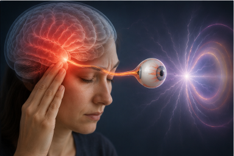
  • Migraine-associated visual disturbances
  • Neurodegenerative disorders

Patients may experience:

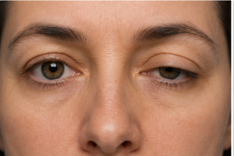
  • Double vision
  • Abnormal eye movements
  • Visual field defects
  • Difficulty with eye coordination
  • Sudden or progressive vision loss

Early neurological eye evaluation helps identify the underlying cause accurately and supports timely treatment planning.

Common Neuro-Ophthalmology Disorders

Age-related risk factors

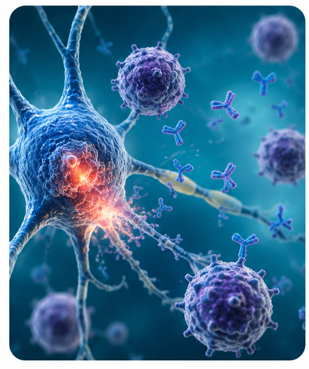
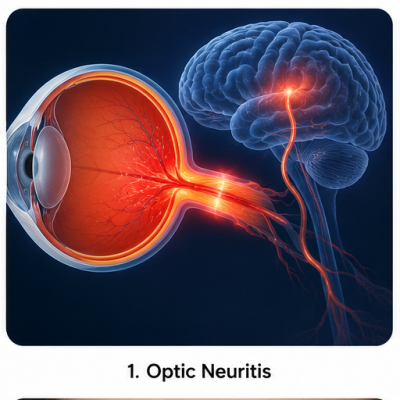
Optic neuritis is an inflammatory condition affecting the optic nerve, which carries visual signals from the eye to the brain. It commonly develops in younger adults and may sometimes be associated with neurological disorders such as multiple sclerosis.

Patients may experience:

  • Sudden blurred or dim vision
  • Eye pain during movement
  • Reduced color perception
  • Temporary vision loss in one eye

Early diagnosis and anti-inflammatory treatment can help reduce optic nerve damage and improve visual recovery.

Symptoms of Neuro-Ophthalmology Disorders


Vision Loss & Visual Disturbances

CornealTransplant

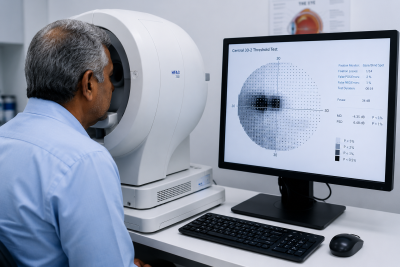
Neuro-ophthalmic conditions commonly affect visual clarity and visual field function. Patients may experience sudden or progressive vision loss, persistent blurred vision, dim vision, difficulty focusing, or partial loss of peripheral vision. Some individuals notice tunnel vision, blind spots, or temporary episodes of visual blackout caused by optic nerve or neurological pathway involvement.

Common visual symptoms include:

  • Sudden vision loss
  • Blurred or dim vision
  • Peripheral vision loss
  • Blind spots or visual field defects
  • Temporary visual blackout episodes

Diagnosis & Evaluation in Neuro-Ophthalmology


Vision types - near, intermediate and far vision illustration


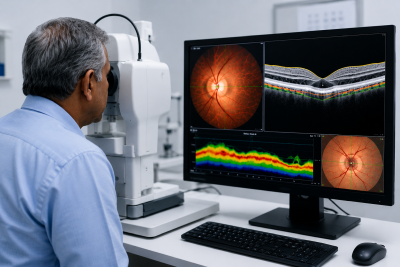
Optic-Nerve-And-Retina-Evaluation

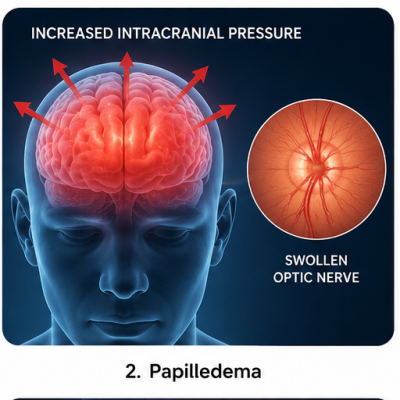
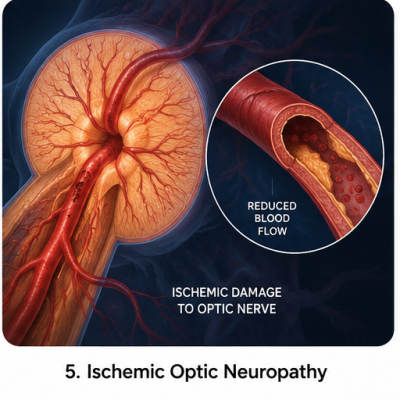
The optic nerve plays a critical role in transmitting visual signals from the eye to the brain. Neuro-ophthalmologists carefully examine the optic nerve to identify inflammation, swelling, compression, reduced blood supply, or neurological damage affecting vision.

During evaluation, specialists may assess:

  • Optic nerve appearance and swelling
  • Retinal nerve fiber health
  • Color vision abnormalities
  • Contrast sensitivity changes
  • Signs of optic neuropathy or optic neuritis

Advanced retinal imaging and optic nerve analysis help detect early structural changes that may not be visible during routine eye examination.

  • Medical Treatment for Neuro Ophthalmology Disorders : Neuro-ophthalmology treatment depends on the underlying neurological condition affecting vision, optic nerves, or eye movements. Many neuro-ophthalmology disorders are managed using corticosteroids, immunotherapy, pressure-lowering medications, or vascular treatment strategies to reduce inflammation and protect optic nerve function.
  • Treatment of Underlying Neurological Conditions: Since many neuro-ophthalmology disorders develop due to neurological diseases, treatment often involves managing conditions such as multiple sclerosis, autoimmune disorders, diabetes, vascular disease, or intracranial hypertension. Coordinated neuro ophthalmology care helps improve both neurological and visual outcomes.
  • Prism Glasses & Vision Rehabilitation: Patients experiencing neuro-ophthalmology symptoms such as double vision, unstable focus, or abnormal eye coordination may benefit from prism glasses and visual rehabilitation therapy. These supportive treatments help improve binocular vision, visual comfort, and day-to-day functioning.
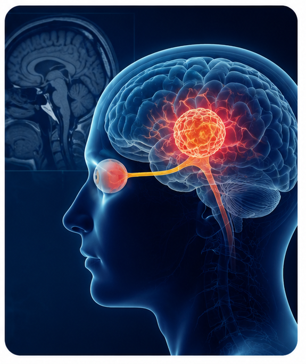
  • Surgical & Advanced Neuro Ophthalmology Care :Certain neuro-ophthalmology disorders may require advanced surgical management, especially in cases involving brain tumors, optic nerve compression, intracranial pressure abnormalities, or severe cranial nerve dysfunction. Specialised neuro-ophthalmology evaluation helps determine the most appropriate treatment approach.
  • . Long-Term Neuro Ophthalmology Monitoring: Many neuro-ophthalmology disorders require regular follow-up to monitor optic nerve health, visual field changes, and neurological progression. Ongoing neuro ophthalmology treatment helps reduce the risk of permanent visual impairment and supports long-term visual stability.

Why Choose Centre For Sight?

Seamless Patient Journey

From consultation to recovery, we ensure a smooth and comfortable experience at every step.

Expert Surgeons

Our team of highly skilled surgeons bring decades of combined experience in advanced eye care procedures.

Precision Tech

We leverage the latest diagnostics and surgical technologies, setting new standards in the field of eye care.

Proven Reputation

With 30+ years of trust, 15 Lac+ happy patients, and 90+ centres across India.

Order
1

Testimonials

Hear It From Our Happy Patients.

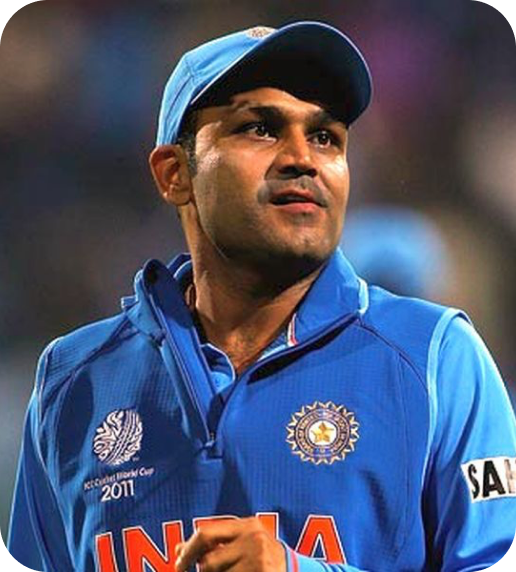
Virender Sehwag
We’ve been consulting Centre for Sight for over a decade. His expertise brings peace of mind to both patients and families. The staff is courteous and patient, guiding smoothly and ensuring comfort. Every visit is a pleasant, relieving experience.Dr. Mahipal Sachdev, take a bow to your leadership and vision!
Abhaya Gupta Founder & Chief Visionary Officer, Nanya Inc.

Chose CFS For Eye Care

Virender Sehwag
My Mother Recently Underwent Cataract Surgery With Prof. Dr. Mahipal S. Sachdev, And We Are Extremely Satisfied With The Care And Outcome. Heartfelt Thanks To Dr. Sachdev And The Entire Centre For Sight Team For Their Professionalism, Expertise, And Warm Support Throughout The Process.
Virender Sehwag Former Indian Cricketer

Chose CFS For Cataract Surgery

Virender Sehwag
Seven Years Back, I Used To Wear Eyeglasses And Contact Lenses, But Then I Got SMILE Eye Surgery Done At Centre For Sight. It Has Been A Life-Changing Experience For Me. I Highly Recommend Centre For Sight.
Bipasha Basu Actress

Chose CFS For SMILE Eye Surgery

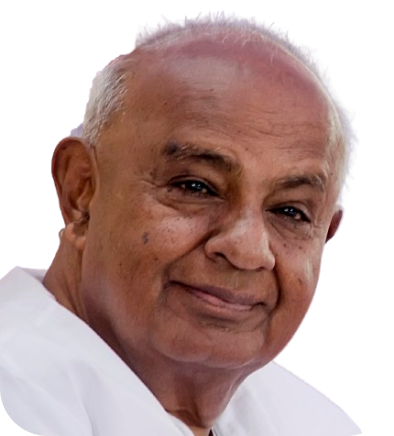
Virender Sehwag
Highly appreciable of highest quality of care centre.Dr. Mahipal is an ophthalmologist of great excellence both in his caliber of work and his extremely courteous behavior. I wish him success of highest possible heights.
Shri H.D. Deve Gowda Former Prime Minister of India

Chose CFS For Eye Care

All Centres

Find The Nearest Eye Care Centre For Clearer Vision.

View All Our Centres

Frequently Asked Questions

Could not find what you are looking for?

Request a Callback

+91