

See More, Live More with Low Vision Care & Aids

Explore personalised solutions, designed to improve reading and mobility.

Family enjoying clear vision

Understanding Low Vision

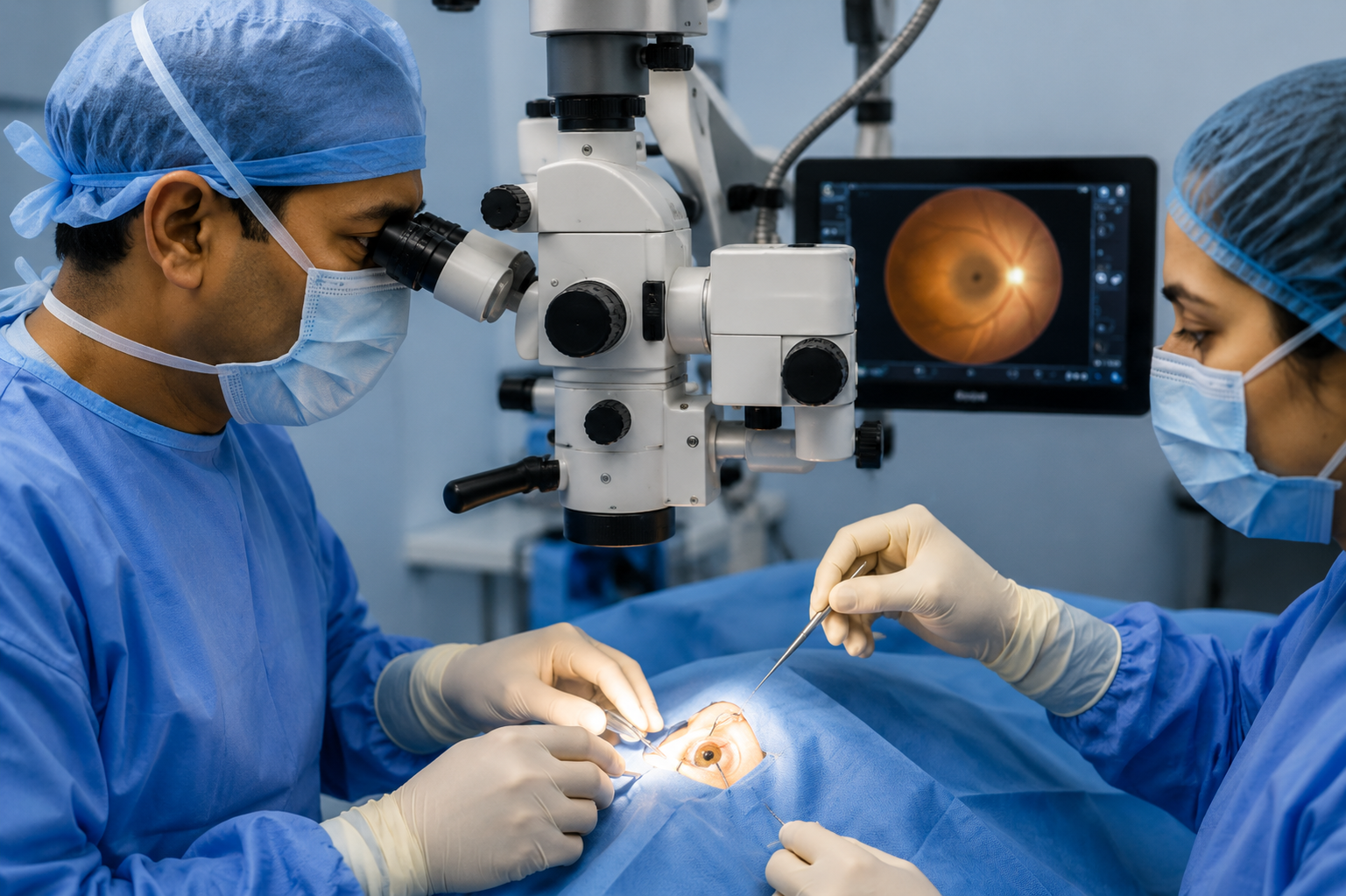
Doctor performing cataract examination

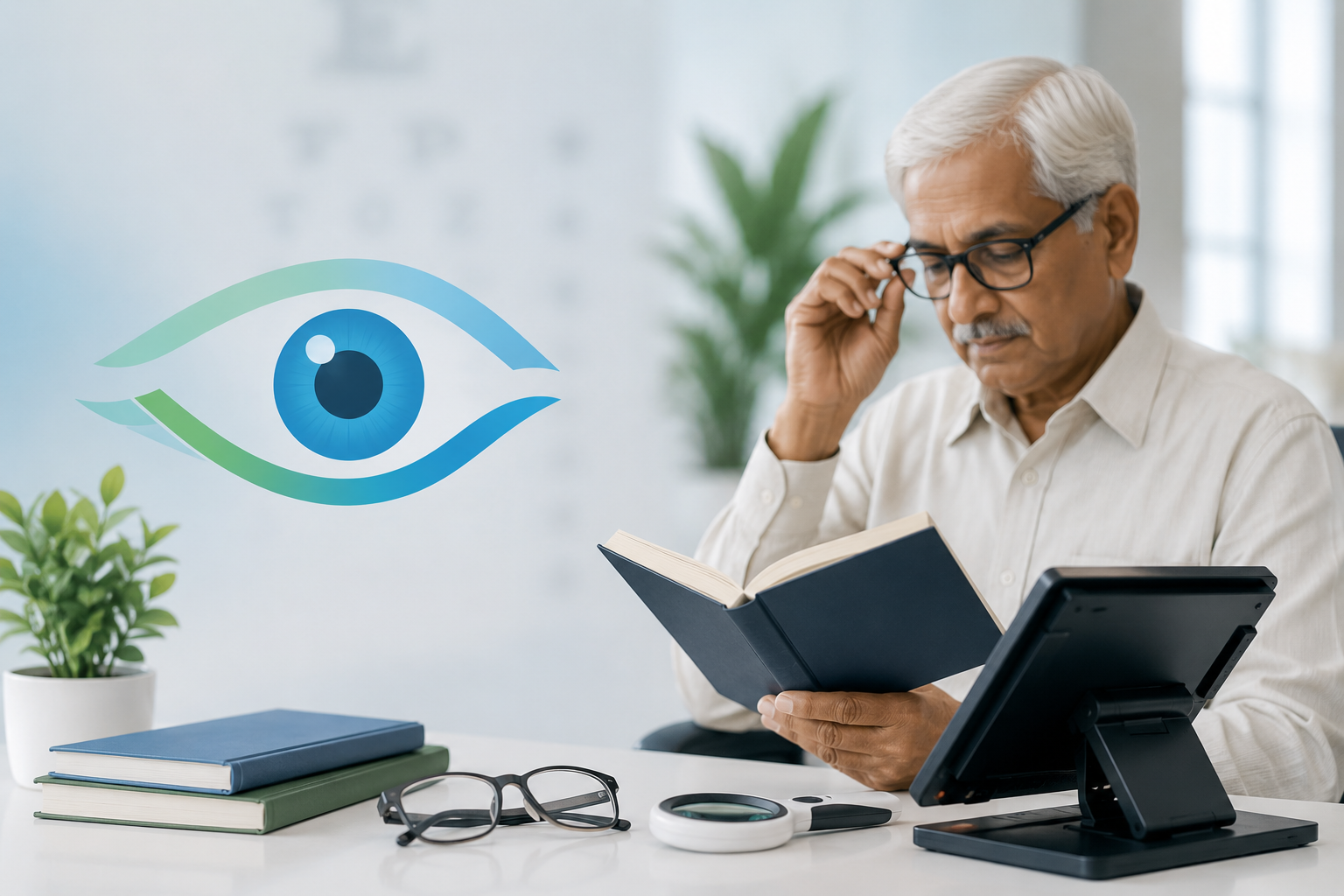
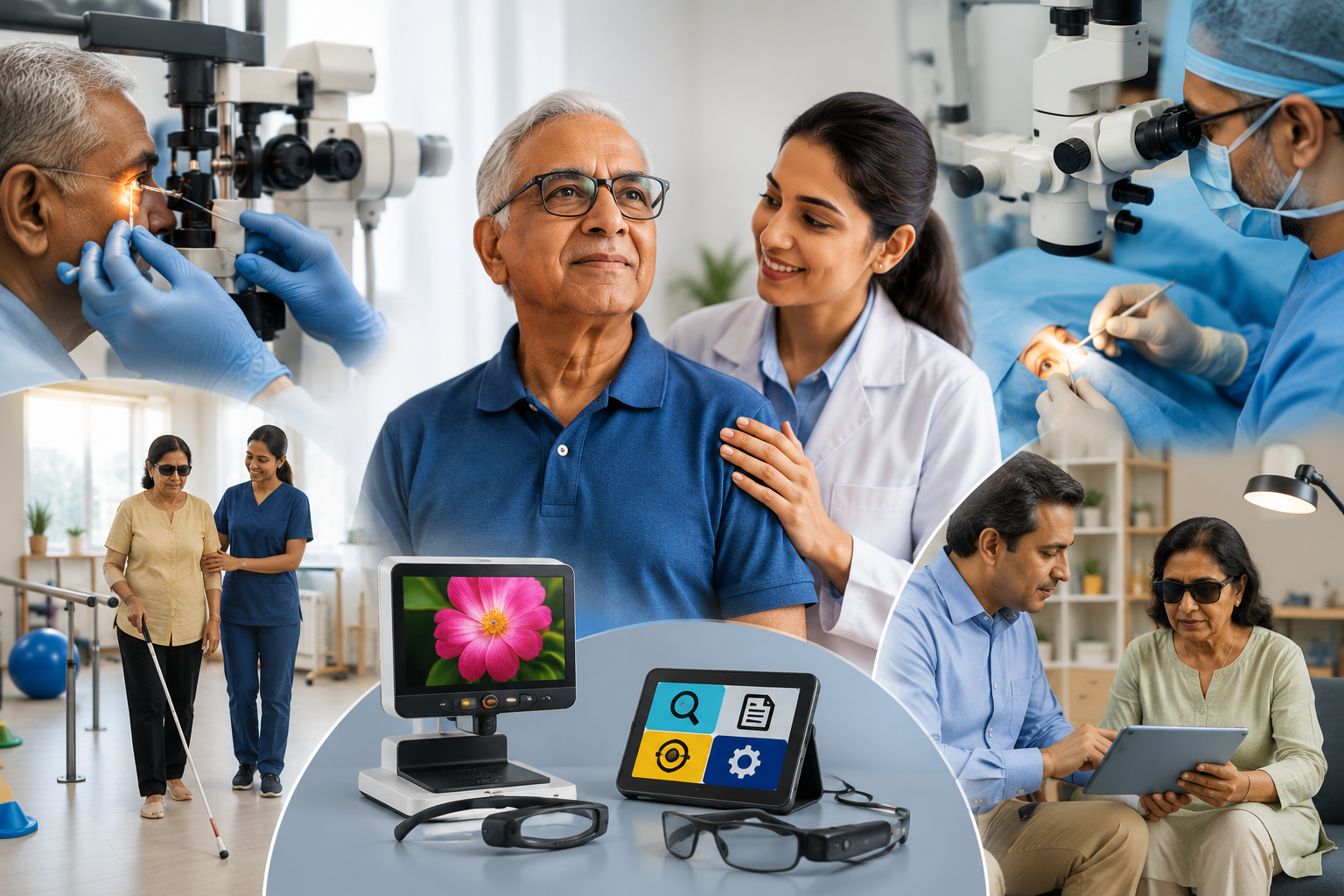
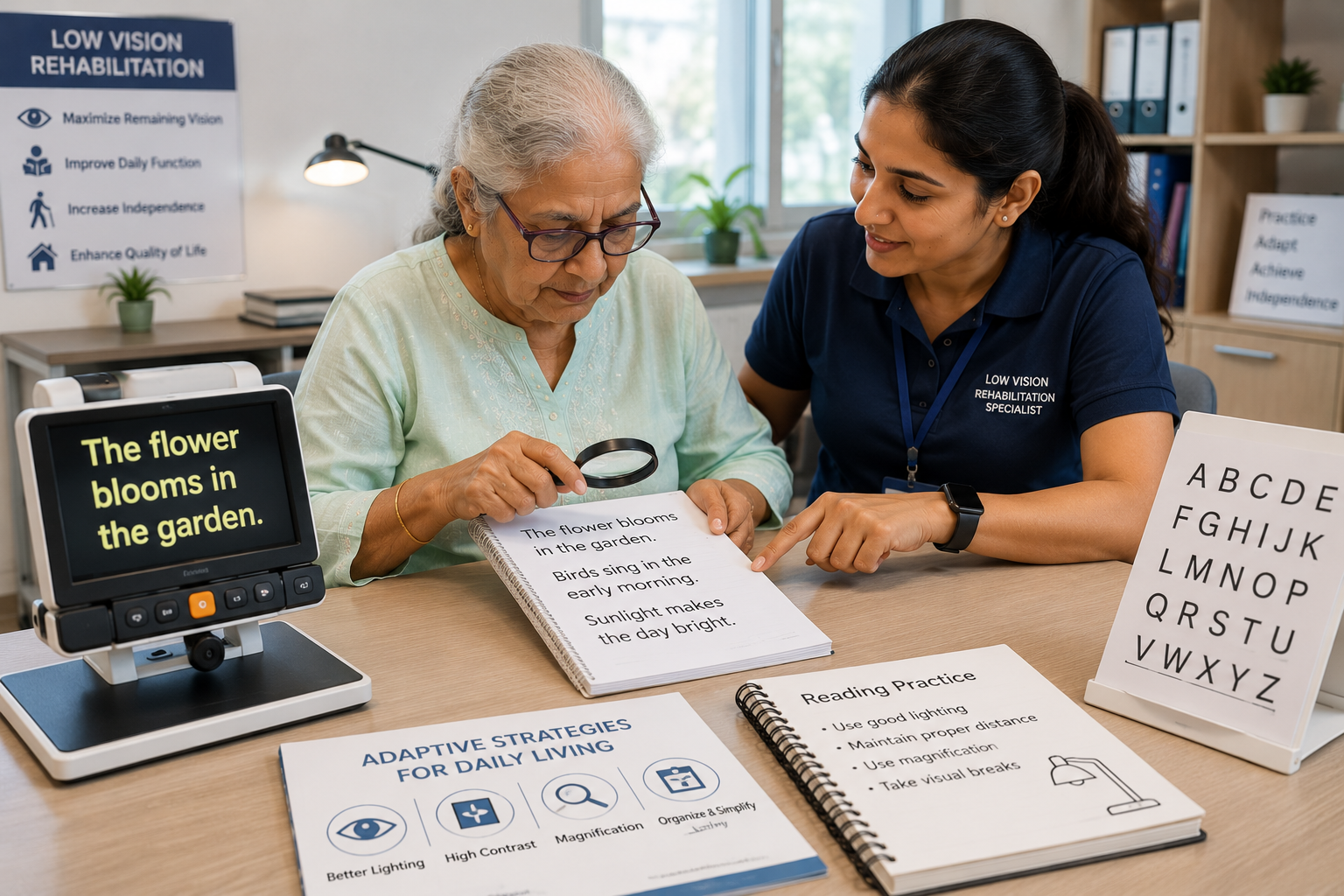
Low vision is a visual impairment that cannot be completely corrected with regular glasses, contact lenses, medication, or standard eye surgery. People with low vision often face difficulty performing daily activities such as reading, recognising faces, watching screens, or moving safely in unfamiliar surroundings. Unlike total blindness, some usable vision still remains and can often be improved with specialised low vision rehabilitation and advanced low vision aids.

The condition may affect central vision, side vision, contrast sensitivity, or overall visual clarity. Early diagnosis and personalised care can help patients maximise their remaining vision and maintain independence in everyday life.

Low vision affects daily life, but with the right care and support, a better quality of life is possible.

Types of Low Vision

Age-related risk factors

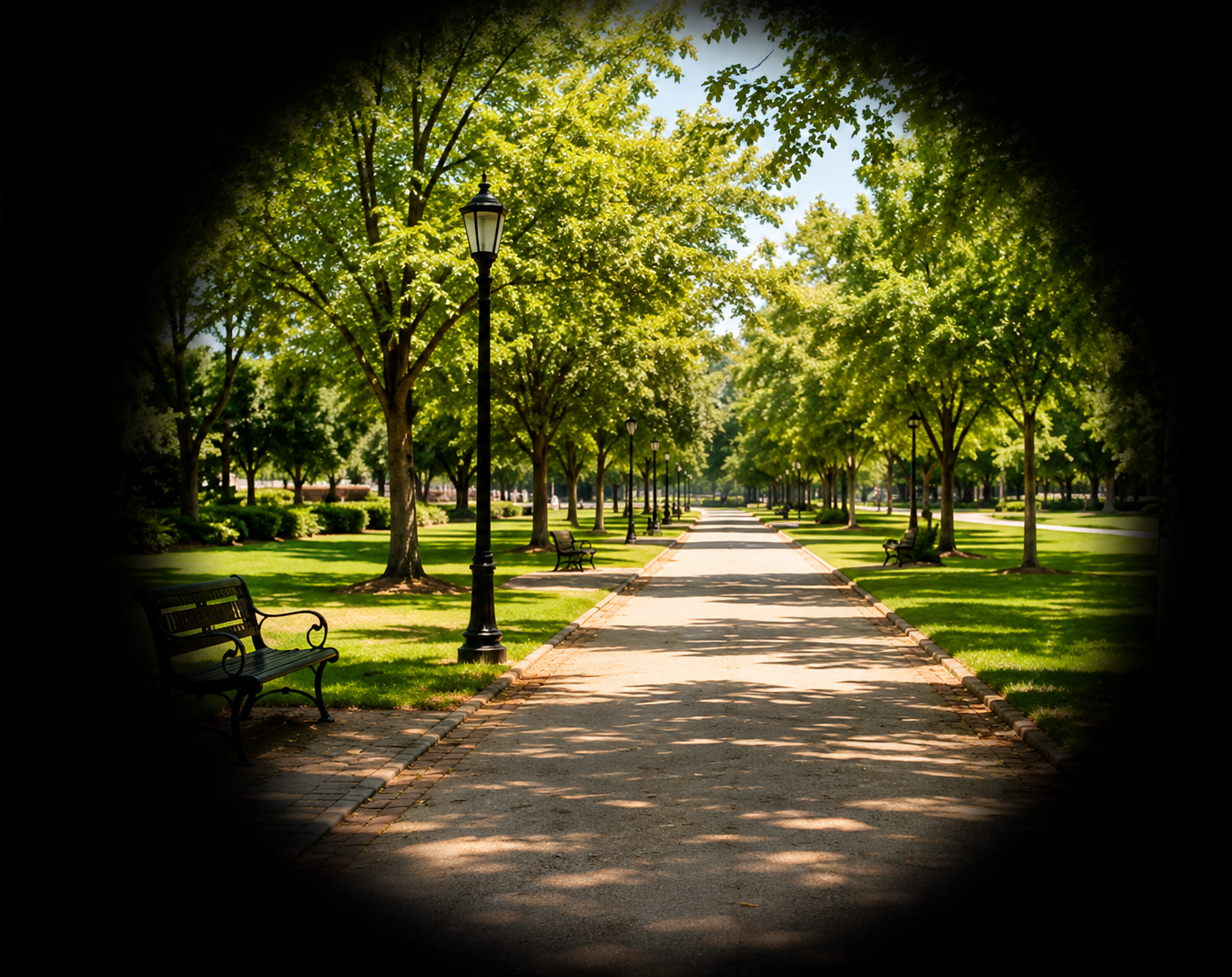
Central vision loss affects the middle part of vision, making it difficult to read, recognize faces, watch television, or perform detailed tasks. Patients may notice blurred or dark spots directly in front of their sight while side vision remains relatively normal.

This type of low vision is commonly associated with age-related macular degeneration, diabetic macular disease, and certain retinal disorders. Early diagnosis and specialized low vision aids such as magnifiers and electronic reading devices can help improve daily functioning.

Types of Low Vision Aids

Age-related risk factors

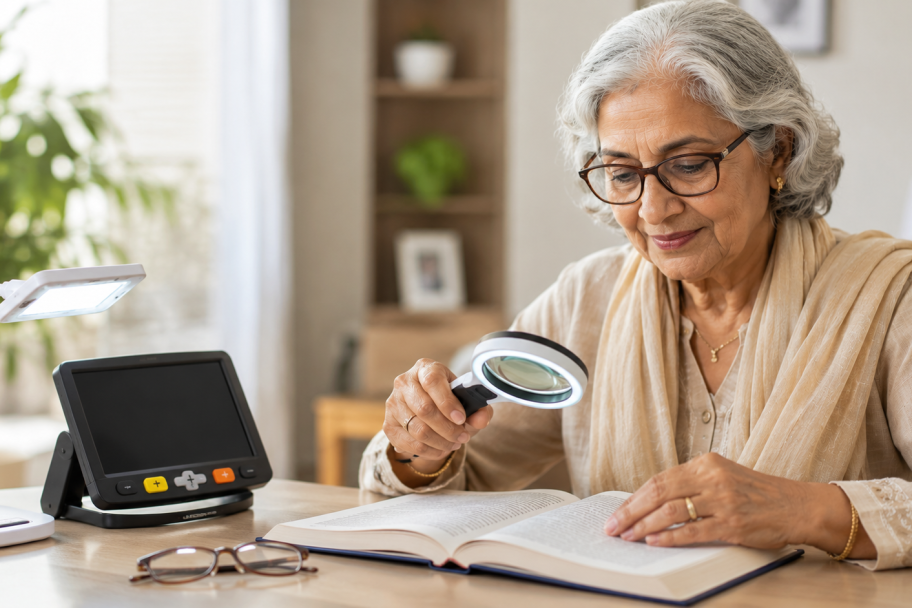
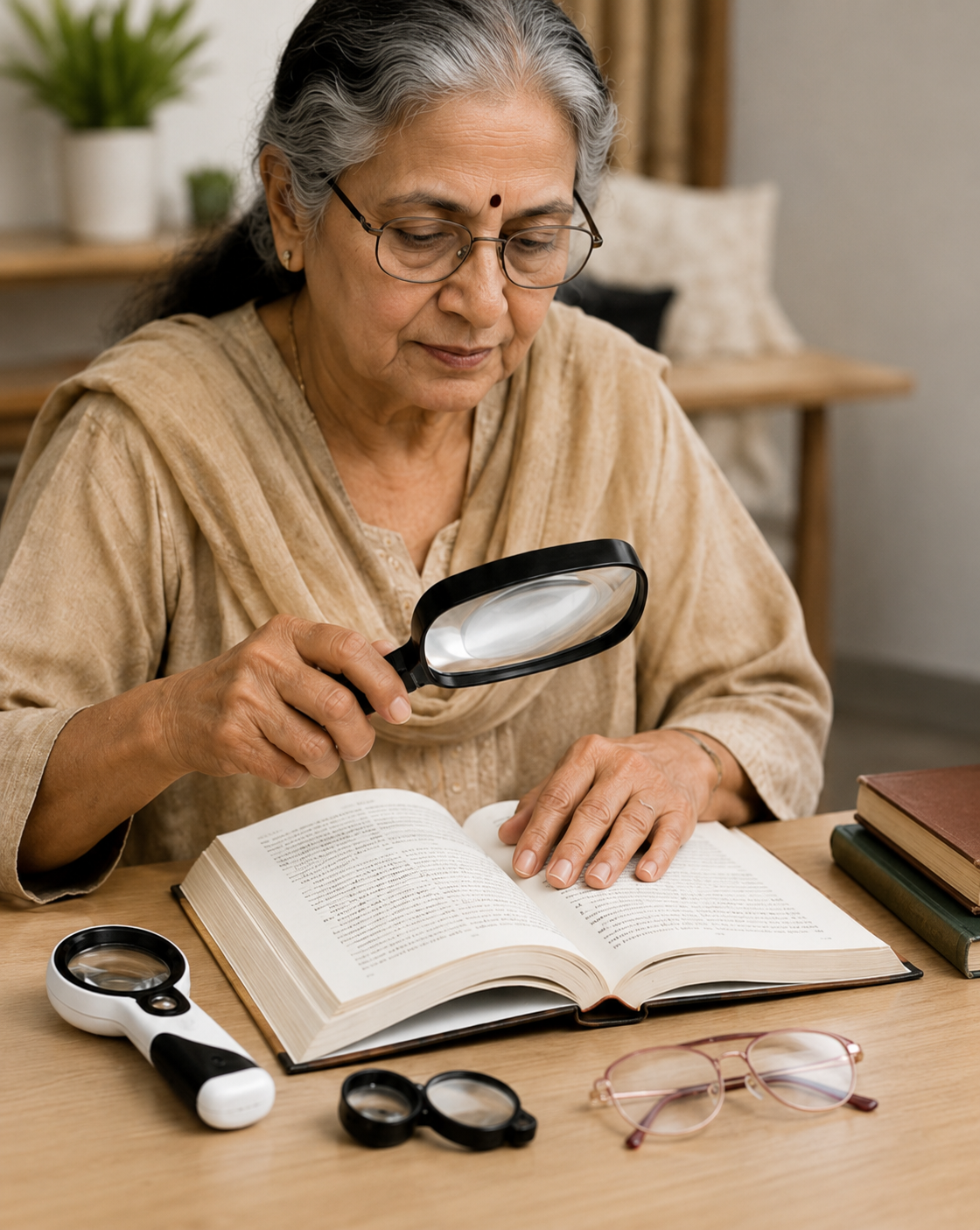
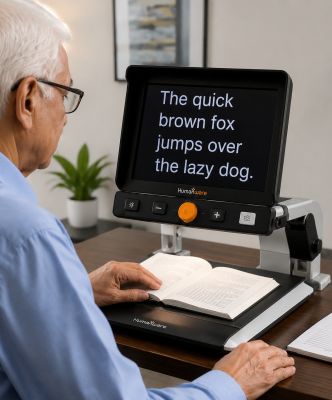
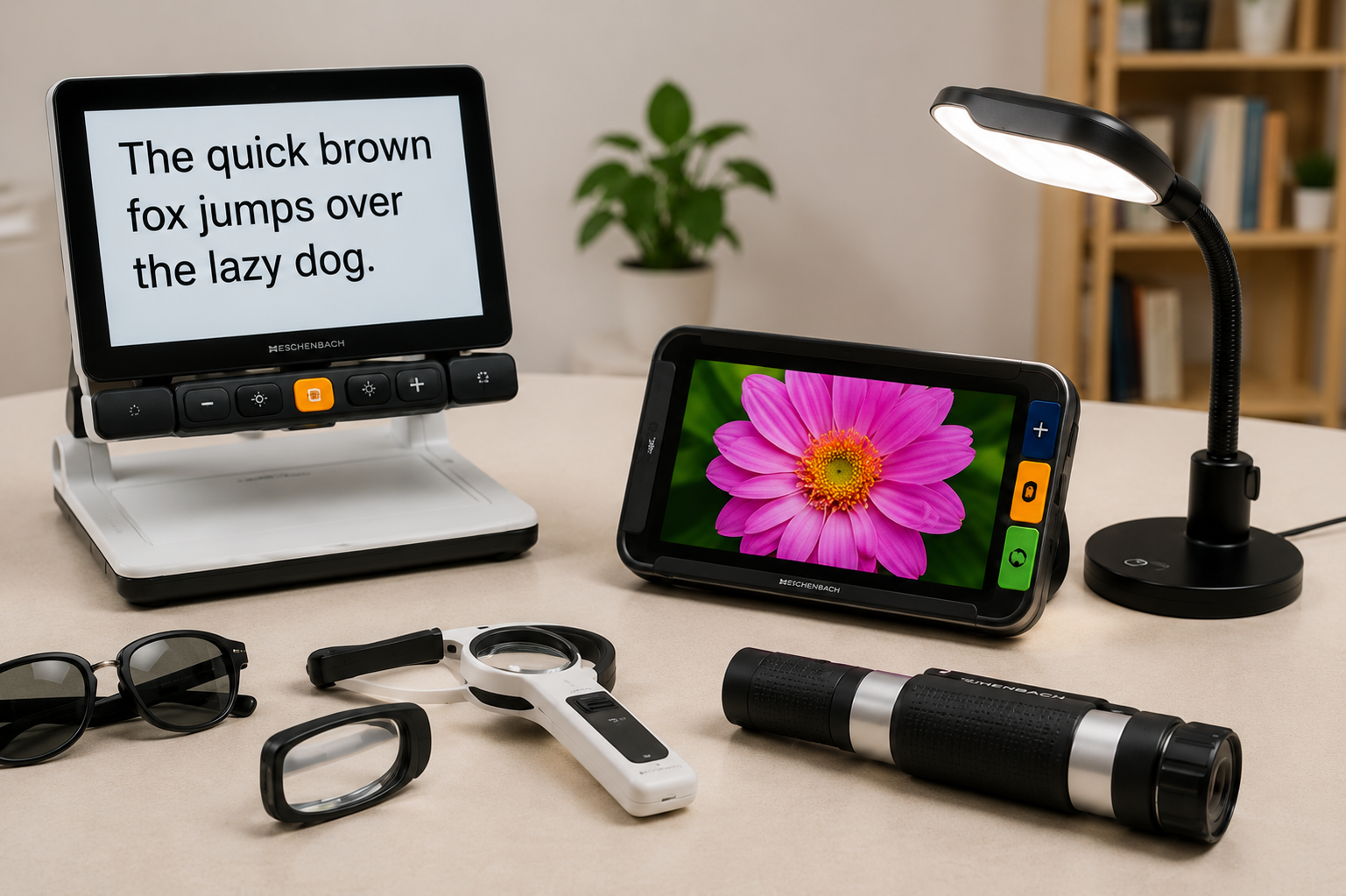
Optical magnifiers are one of the most widely used low vision aids for patients struggling with reading difficulties and near-vision tasks. These devices enlarge text, images, and small objects, helping individuals with low vision read books, medicine labels, newspapers, and mobile screens more comfortably.

Common types of low vision aids in this category include handheld magnifiers, illuminated magnifiers, stand magnifiers, and high-powered reading glasses. These magnifiers for low vision are especially beneficial for patients with macular degeneration, diabetic retinopathy, and other retinal conditions affecting central vision.

Low Vision Diagnosis & Evaluation Process


Consultation & Symptom Assessment

The low vision diagnosis process begins with a detailed consultation and symptom assessment. A low vision specialist carefully evaluates the patient’s medical history, visual complaints, lifestyle requirements, and functional difficulties caused by reduced eyesight.

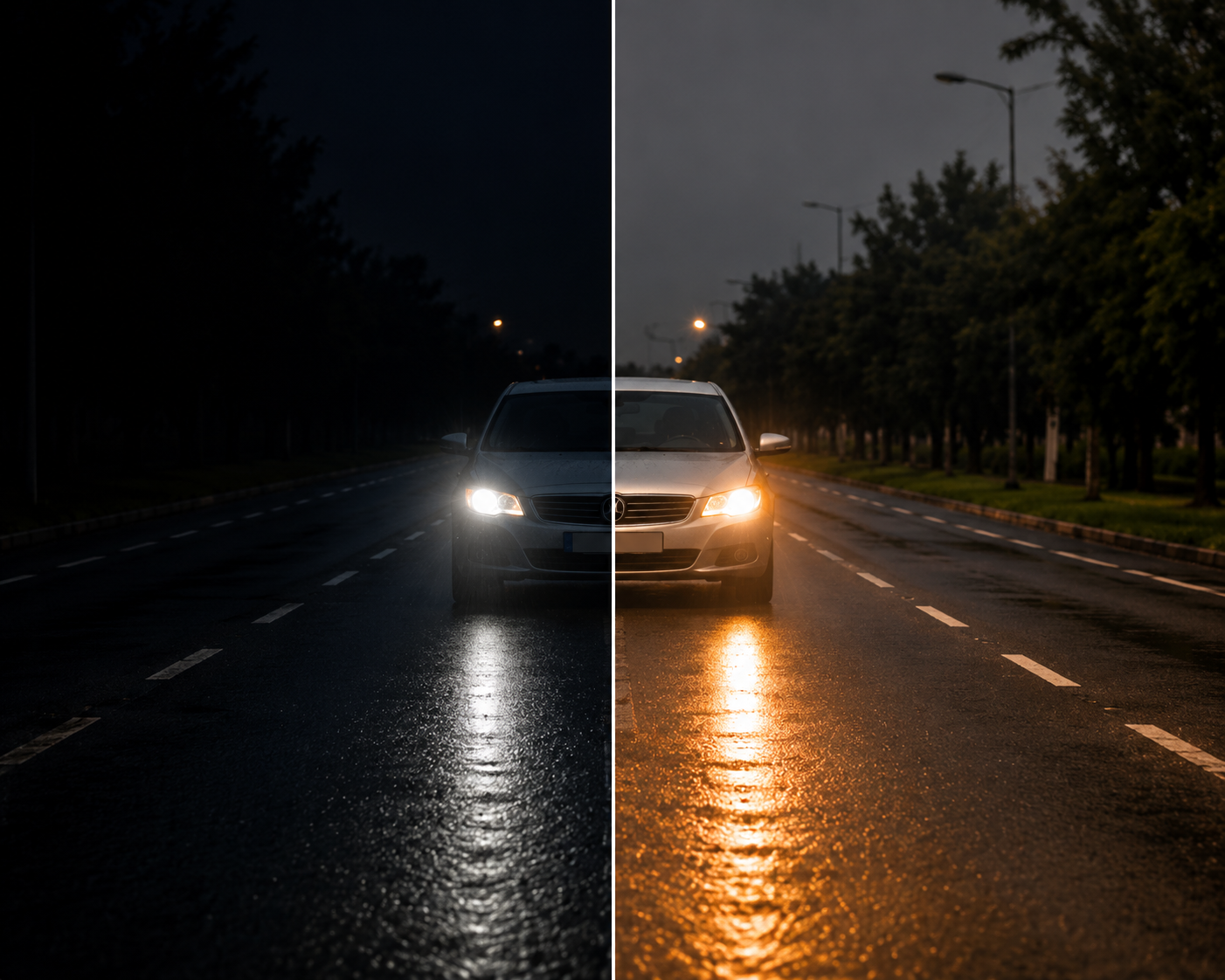
Patients are commonly asked about low vision symptoms such as blurred vision, glare sensitivity, reading difficulty, poor night vision, blind spots, trouble recognising faces, and mobility challenges. Understanding these symptoms helps specialists identify possible low vision causes and determine the need for further low vision evaluation.

Advanced Low Vision Treatment & Rehabilitation Options


Vision types - near, intermediate and far vision illustration
Age-related risk factors

Medical management plays an important role in controlling eye diseases that may lead to progressive low vision. Early diagnosis and timely treatment can help preserve remaining eyesight, reduce complications, and slow the progression of vision loss caused by retinal or optic nerve disorders.

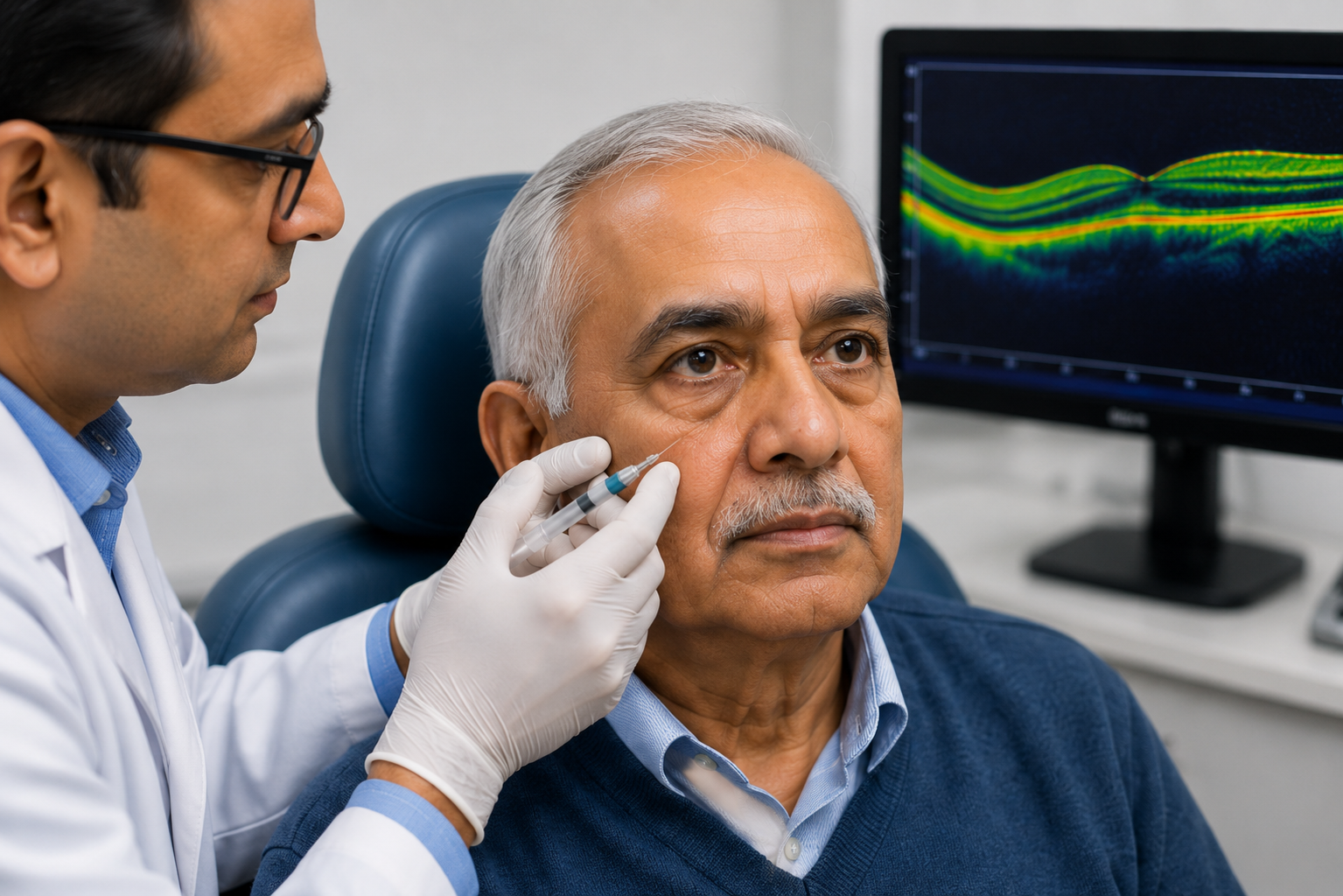
Common low vision treatment options include retinal injections, laser procedures, prescription eye drops, anti-inflammatory medications, and therapies for diabetic retinopathy, glaucoma, and macular degeneration. Although medical treatment may not completely restore normal eyesight in every case, it can help stabilise vision and improve long-term visual outcomes.

Cost of Low Vision Aids

The cost of low vision aids in India depends on the type of device required, with prices ranging from around ₹500 for simple magnifiers to ₹60,000 or more for specialised electronic devices. Basic optical aids, such as magnifying glasses, usually cost between ₹1,000 and ₹5,000, while advanced electronic solutions like screen readers, digital magnifiers, or specialised software may range from ₹20,000 to ₹1,50,000. Factors such as brand, functionality, customisation, and whether the aid is imported or locally manufactured also influence the overall cost.

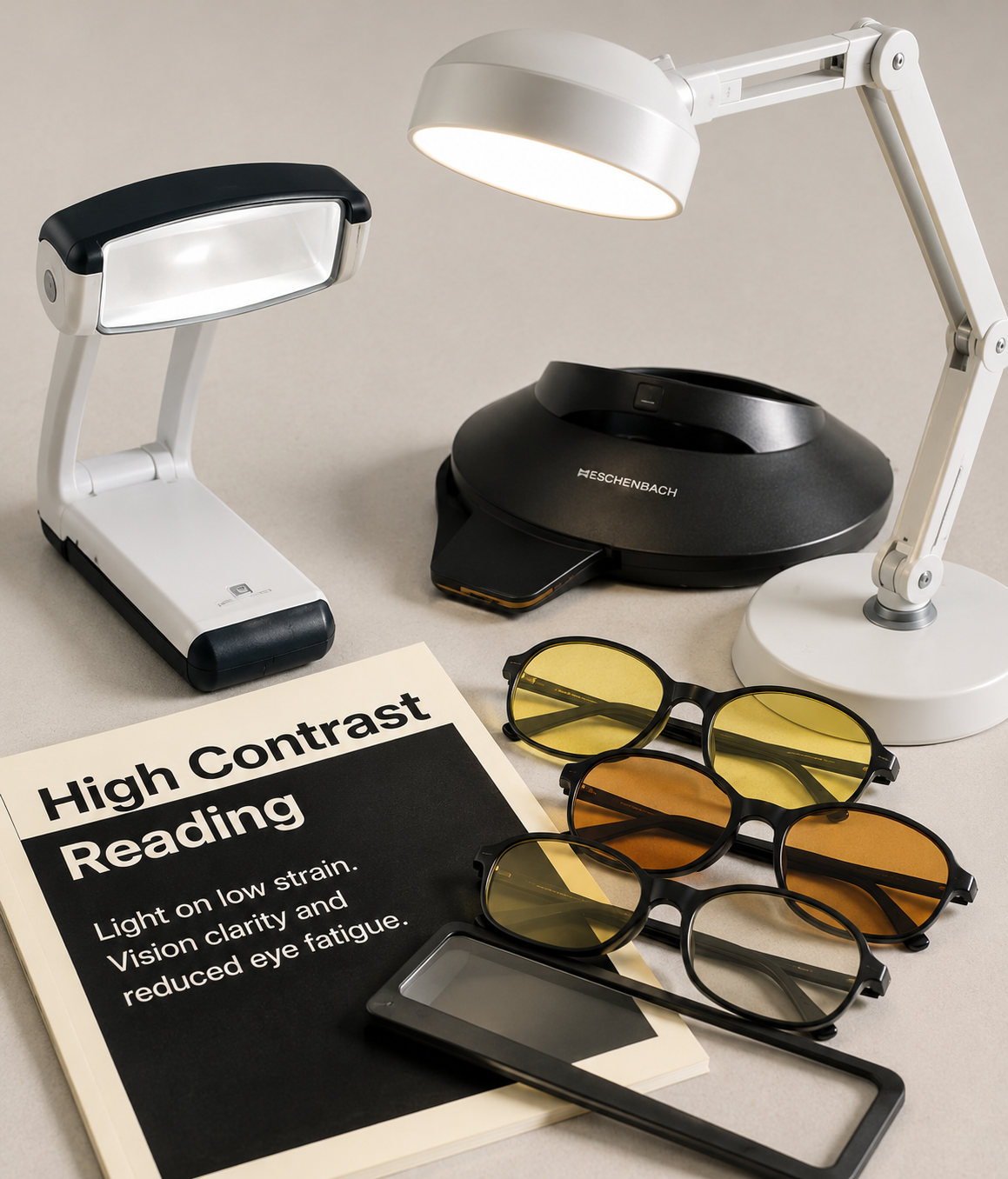
Living with low vision becomes easier with proper daily care, adaptive strategies, and supportive visual habits. Patients are encouraged to use bright and evenly distributed lighting, large-print reading materials, high-contrast settings, and organised home arrangements to improve visibility and reduce eye strain.

Using prescribed low vision aids regularly, maintaining proper reading distance, taking visual breaks during screen use, and attending routine eye check-ups are important parts of long-term low vision management. Small lifestyle modifications and vision support techniques can significantly improve safety, independence, and quality of life for individuals living with low vision.

Why Choose Centre For Sight?

Seamless Patient Journey

From consultation to recovery, we ensure a smooth and comfortable experience at every step.

Expert Surgeons

Our team of highly skilled surgeons bring decades of combined experience in advanced eye care procedures.

Precision Tech

We leverage the latest diagnostics and surgical technologies, setting new standards in the field of eye care.

Proven Reputation

With 30+ years of trust, 15 Lac+ happy patients, and 90+ centres across India.

Order
6

Testimonials

Hear It From Our Happy Patients.

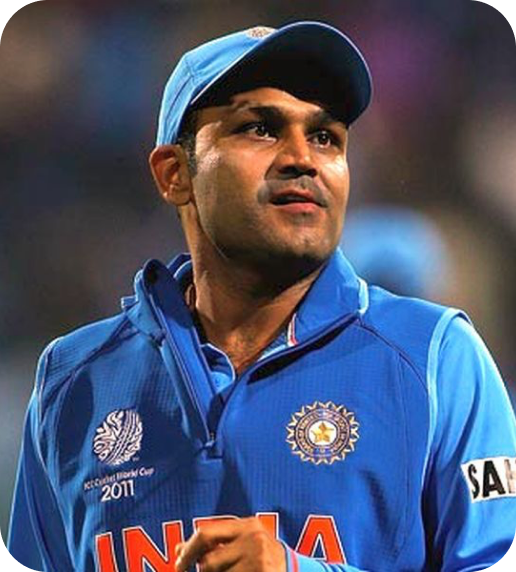
Virender Sehwag
We’ve been consulting Centre for Sight for over a decade. His expertise brings peace of mind to both patients and families. The staff is courteous and patient, guiding smoothly and ensuring comfort. Every visit is a pleasant, relieving experience.Dr. Mahipal Sachdev, take a bow to your leadership and vision!
Abhaya Gupta Founder & Chief Visionary Officer, Nanya Inc.

Chose CFS For Eye Care

Virender Sehwag
My Mother Recently Underwent Cataract Surgery With Prof. Dr. Mahipal S. Sachdev, And We Are Extremely Satisfied With The Care And Outcome. Heartfelt Thanks To Dr. Sachdev And The Entire Centre For Sight Team For Their Professionalism, Expertise, And Warm Support Throughout The Process.
Virender Sehwag Former Indian Cricketer

Chose CFS For Cataract Surgery

Virender Sehwag
Seven Years Back, I Used To Wear Eyeglasses And Contact Lenses, But Then I Got SMILE Eye Surgery Done At Centre For Sight. It Has Been A Life-Changing Experience For Me. I Highly Recommend Centre For Sight.
Bipasha Basu Actress

Chose CFS For SMILE Eye Surgery

Virender Sehwag
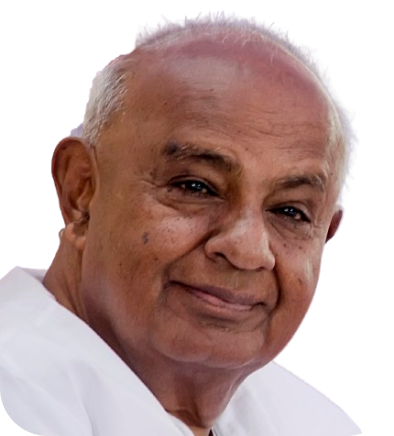
Highly appreciable of highest quality of care centre.Dr. Mahipal is an ophthalmologist of great excellence both in his caliber of work and his extremely courteous behavior. I wish him success of highest possible heights.
Shri H.D. Deve Gowda Former Prime Minister of India

Chose CFS For Eye Care

All Centres

Find The Nearest Eye Care Centre For Clearer Vision.

View All Our Centres

Frequently Asked Questions

Could not find what you are looking for?

Request a Callback

+91