





Bring Back the Clarity of Life

Advanced cornea transplant surgery for damaged, scarred, or cloudy corneas.

Family enjoying clear vision

Understanding Cornea Transplant

Doctor performing cataract examination

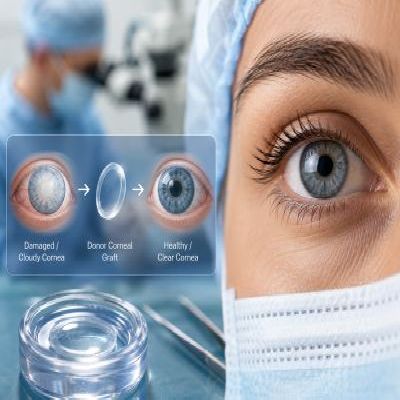
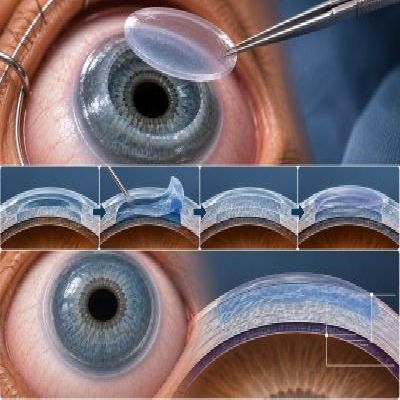
A cornea transplant is an advanced surgical procedure used to replace a damaged, scarred, swollen, or cloudy cornea with healthy donor corneal tissue. The cornea is the transparent front layer of the eye responsible for focusing light and maintaining clear vision. When it becomes diseased or injured, patients may experience blurred vision, glare sensitivity, eye pain, or significant visual impairment.

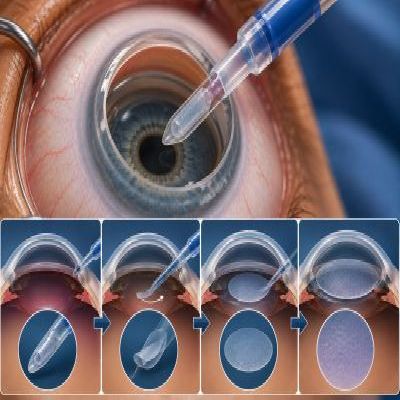
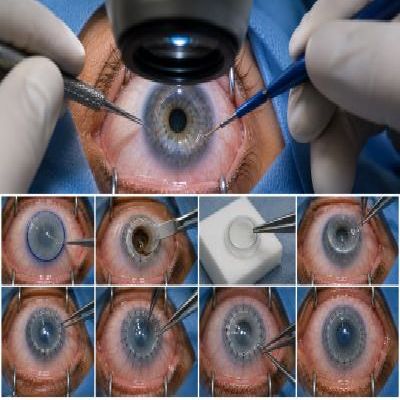
Modern cornea transplant surgery techniques are highly precise and are performed using advanced microsurgical technology to restore corneal clarity and improve visual quality. Depending on the severity and depth of corneal damage, different forms of corneal grafting may be recommended, including full-thickness or partial-thickness transplantation procedures.

Today, cornea transplant procedures are safer, more effective, and minimally invasive compared to earlier techniques. Most surgeries are completed within a short duration and are designed to improve vision, reduce discomfort, and enhance overall eye health. With timely treatment and proper post-operative care, many patients achieve significant visual recovery and long-term improvement in daily activities.

Corneal transplant restores clarity and improves long-term visual health.

Types of Cornea Transplant Surgery

Age-related risk factors

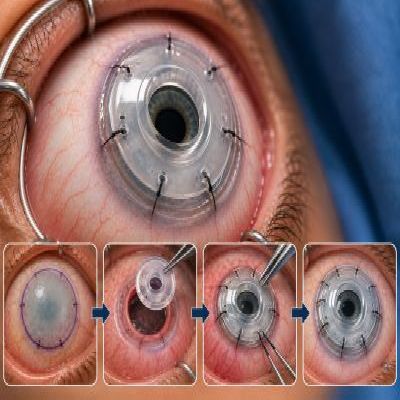
Penetrating Keratoplasty (PK) is a traditional full-thickness cornea transplant surgery in which the damaged central cornea is completely removed and replaced with healthy donor corneal tissue. This procedure is generally recommended for patients with severe corneal scarring, advanced infections, traumatic corneal injury, or deep corneal damage affecting all layers of the cornea.

Modern surgical precision and advanced suturing techniques have significantly improved the safety and success rate of this corneal transplant procedure. PK helps restore corneal clarity, improve visual sharpness, and reduce pain caused by advanced corneal disease. Recovery may take longer compared to partial-thickness procedures, but the surgery remains highly effective for complex corneal conditions.


Cornea Transplant Procedure

Femtosecond laser machine

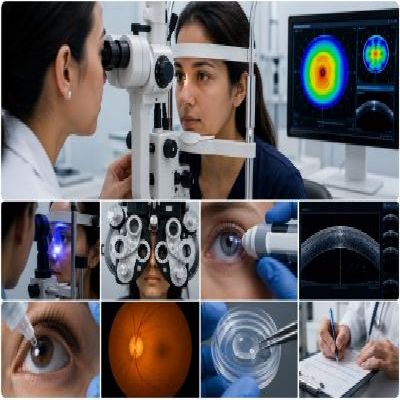
Before performing a cornea transplant surgery, specialists conduct a detailed eye examination to understand the extent of corneal damage and determine the most suitable treatment approach. Advanced corneal imaging and diagnostic tests help evaluate corneal thickness, scarring, swelling, and visual distortion.

A healthy donor cornea is carefully selected and screened to ensure safety, clarity, and tissue quality for successful corneal grafting.

The pre-surgical assessment may include:

  • Corneal topography and thickness mapping
  • Vision and refraction testing
  • Evaluation of corneal scarring or infection
  • Tear film and eye surface assessment
  • Retinal and internal eye examination
  • Medical history and previous eye surgery review

Proper evaluation helps improve surgical precision, graft compatibility, and long-term visual outcomes after the cornea transplant procedure.

Recovery Timeline After Cornea Transplant


Immediate Post-Surgery Care

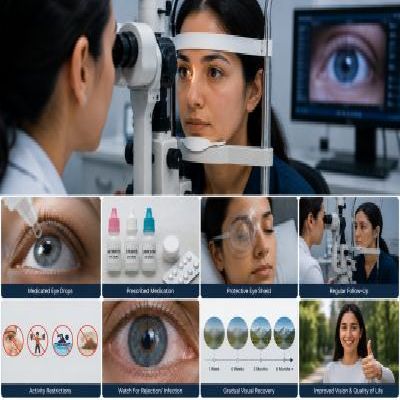
The first few days after cornea transplant surgery are focused on protecting the newly transplanted cornea and supporting early healing. Patients may experience mild redness, watering, irritation, blurred vision, or light sensitivity immediately after the corneal transplant procedure.

During this phase:

  • Protective eye shields may be advised
  • Prescribed eye drops help prevent infection and inflammation
  • Eye rubbing and heavy physical activity should be avoided
  • Regular monitoring ensures healthy graft positioning

Careful early recovery management helps improve long-term graft success and visual outcomes.

Benefits of Cornea Transplant Surgery


Vision types - near, intermediate and far vision illustration

Vision & Lifestyle Benefits

Monofocal lens diagram

A successful cornea transplant helps restore corneal transparency and improves the eye’s ability to focus light properly. Patients suffering from corneal scarring, swelling, infections, or keratoconus often experience significant improvement in visual clarity after surgery.

Vision-related improvements may include:

  • Reduced blurred or distorted vision
  • Better reading and screen visibility
  • Improved facial recognition
  • Enhanced contrast and sharpness
  • Reduced glare and light sensitivity

Modern corneal transplant surgery can greatly improve daily visual function and overall quality of life.

Cornea Transplant Cost in India

The cornea transplant cost in India may vary depending on the type of corneal transplant surgery, severity of corneal damage, donor tissue availability, surgical technology used, hospital infrastructure, and post-operative care requirements.

The overall cornea transplant price can also differ based on whether a patient requires full-thickness transplantation, selective layer transplantation, or advanced endothelial procedures such as DSEK or DMEK.


What May Influence Cornea Transplant Cost?

  • Type of cornea transplant procedure performed
  • Complexity of the corneal condition
  • Donor cornea quality and availability
  • Surgeon expertise and surgical technology
  • Diagnostic investigations and imaging
  • Medications and follow-up care
  • Hospital stay and recovery requirements


The final treatment cost is determined after a detailed corneal evaluation and surgical planning by the cornea specialist.

  1. Graft Rejection: In some cases, the body’s immune system may react against the donor corneal tissue. Early signs such as redness, pain, blurred vision, or light sensitivity require immediate medical attention to protect graft health.
  2. Infection: Although uncommon, infection can occur after a corneal transplant procedure if proper eye care and medications are not followed carefully. Timely treatment helps prevent serious complications.
  3. Corneal Swelling: Temporary swelling or fluid imbalance may affect visual clarity during the healing phase after cornea transplant surgery. Most cases improve gradually with medications and recovery care.
  4. Increased Eye Pressure: Although uncommon, infection can occur after a corneal transplant procedure if proper eye care and medications are not followed carefully. Timely treatment helps prevent serious complications.
  5. Delayed Visual Recovery: The recovery time for the corneal transplant varies depending on the type of transplant performed, healing response, and overall eye condition. Vision may improve gradually over weeks or months.
  6. Astigmatism or Visual Distortion: Mild irregularity in corneal shape may develop during healing and can sometimes require glasses, contact lenses, or further correction for optimal vision.

Why Choose Centre For Sight?

Seamless Patient Journey

From consultation to recovery, we ensure a smooth and comfortable experience at every step.

Expert Surgeons

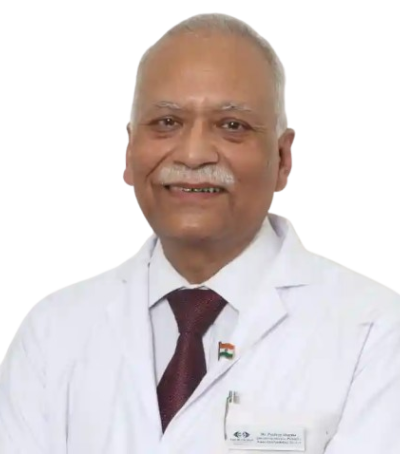
Our team of highly skilled surgeons bring decades of combined experience in advanced eye care procedures.

Precision Tech

We leverage the latest diagnostics and surgical technologies, setting new standards in the field of eye care.

Proven Reputation

With 30+ years of trust, 15 Lac+ happy patients, and 90+ centres across India.

Order
22

Testimonials

Hear It From Our Happy Patients.

Virender Sehwag
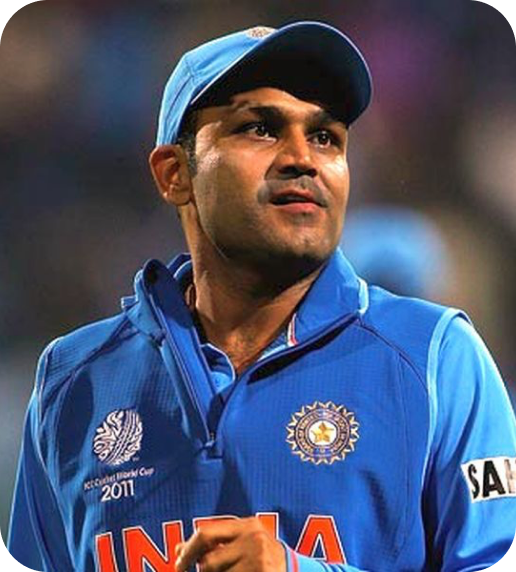
We’ve been consulting Centre for Sight for over a decade. His expertise brings peace of mind to both patients and families. The staff is courteous and patient, guiding smoothly and ensuring comfort. Every visit is a pleasant, relieving experience.Dr. Mahipal Sachdev, take a bow to your leadership and vision!
Abhaya Gupta Founder & Chief Visionary Officer, Nanya Inc.

Chose CFS For Eye Care

Virender Sehwag
My Mother Recently Underwent Cataract Surgery With Prof. Dr. Mahipal S. Sachdev, And We Are Extremely Satisfied With The Care And Outcome. Heartfelt Thanks To Dr. Sachdev And The Entire Centre For Sight Team For Their Professionalism, Expertise, And Warm Support Throughout The Process.
Virender Sehwag Former Indian Cricketer

Chose CFS For Cataract Surgery

Virender Sehwag
Seven Years Back, I Used To Wear Eyeglasses And Contact Lenses, But Then I Got SMILE Eye Surgery Done At Centre For Sight. It Has Been A Life-Changing Experience For Me. I Highly Recommend Centre For Sight.
Bipasha Basu Actress

Chose CFS For SMILE Eye Surgery

Virender Sehwag
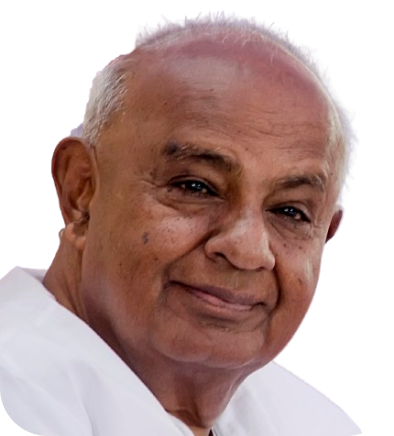
Highly appreciable of highest quality of care centre.Dr. Mahipal is an ophthalmologist of great excellence both in his caliber of work and his extremely courteous behavior. I wish him success of highest possible heights.
Shri H.D. Deve Gowda Former Prime Minister of India

Chose CFS For Eye Care

All Centres

Find The Nearest Eye Care Centre For Clearer Vision.

View All Our Centres

Frequently Asked Questions

Could not find what you are looking for?

Request a Callback

+91