


Advanced Cataract Treatment for Clear, Confident Vision

Restore your sight with safe and precise cataract eye surgery.

Family enjoying clear vision

Understanding Cataract

Doctor performing cataract examination

Cataract is a progressive eye condition in which the natural lens of the eye becomes cloudy, leading to blurred, hazy, or dim vision. This clouding prevents light from passing clearly through the lens, gradually affecting your ability to see clearly, read, drive, or perform everyday tasks.


The most effective and permanent cataract treatment is a surgical procedure known as cataract eye surgery. During this advanced cataract procedure, the cloudy lens is carefully removed and replaced with a clear artificial intraocular lens (IOL), restoring vision. Today’s techniques, including laser cataract surgery, make the procedure safer, more precise, and highly successful with minimal downtime.

A Condition Where The Eye's Natural Lens Becomes Cloudy, Causing Impaired Vision.

Risk Factors

Age-related risk factors

A family history of cataract can increase your risk of developing the condition earlier in life. Certain genetic factors may lead to congenital cataracts (present at birth) or make the eye’s natural lens more vulnerable to early clouding.

Genetic predisposition can also influence how quickly cataracts progress and how the eye responds to environmental stress. Early diagnosis allows timely planning of the right cataract procedure.

Diagnosis and Tests

How are cataracts diagnosed?

Eye specialists can diagnose cataracts with a complete eye check-up. 

During the exam, the optometrist will check your eyes for cloudiness in the lens and assess how advanced the cataract is. 

The ophthalmologist is the one who confirms the diagnosis and decides the treatment plan, including surgery if required. 

They’ll also assess your vision problems, medical history, & whether you’re facing difficulty in daily activities because of poor eyesight.

Tests to detect cataracts may include:

  • Slit lamp exam: A special microscope is used to examine the front parts of your eye in detail.
  • Visual acuity test: You’ll read letters on a chart to measure how clearly you can see at different distances.
  • Dilated retinal exam: Your eye doctor will use eye drops to widen your pupils & examine the retina and lens more closely for signs of cataracts or other eye problems.

Types of Cataract Surgeries

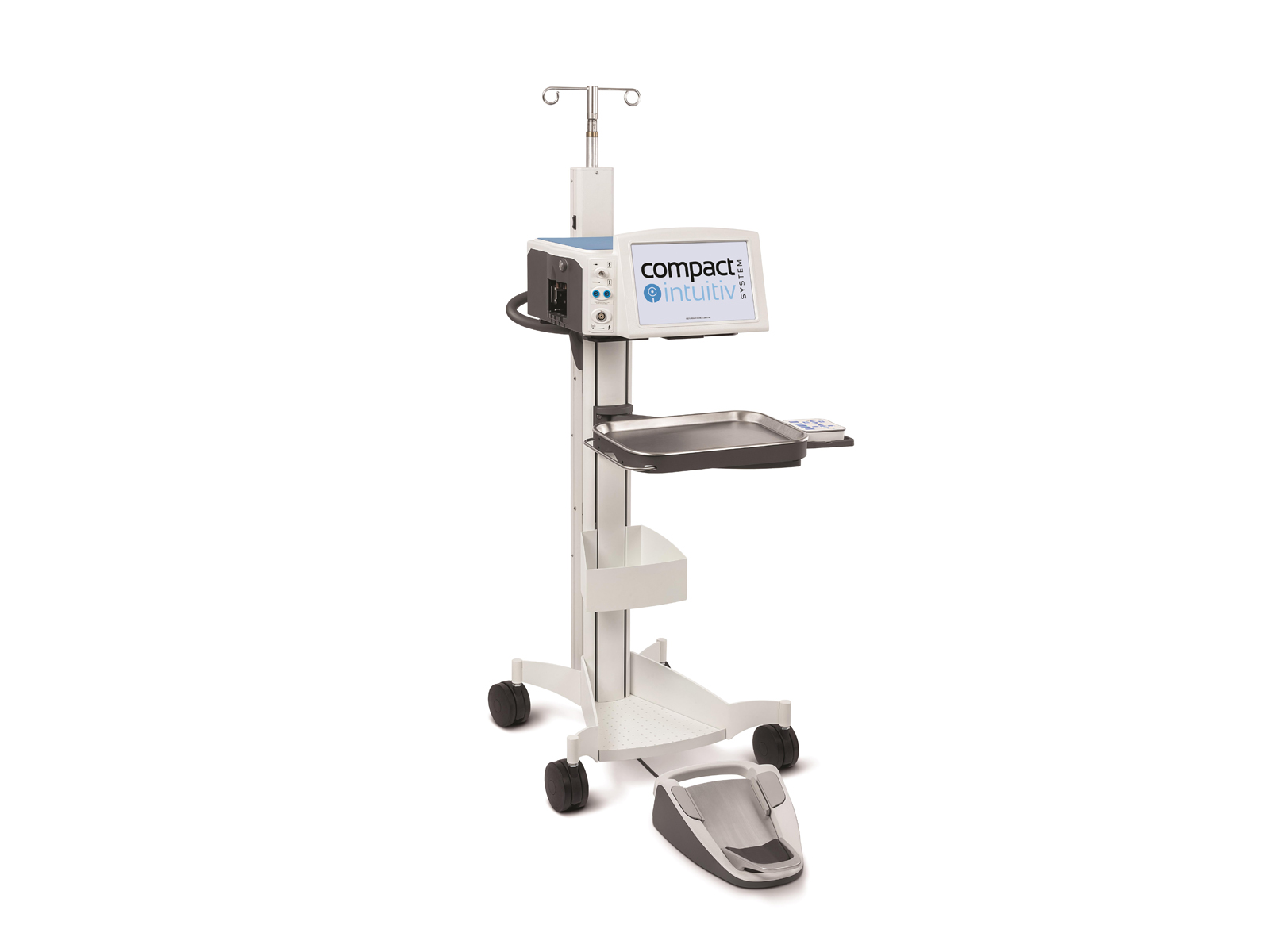
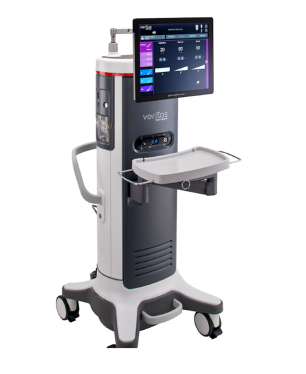
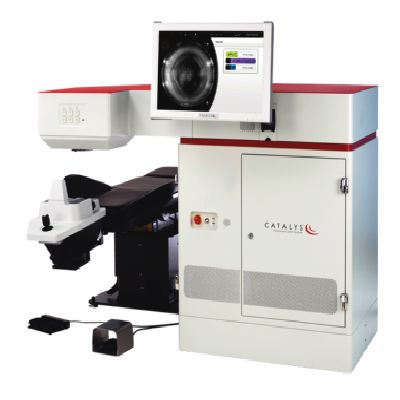
Femtosecond laser machine

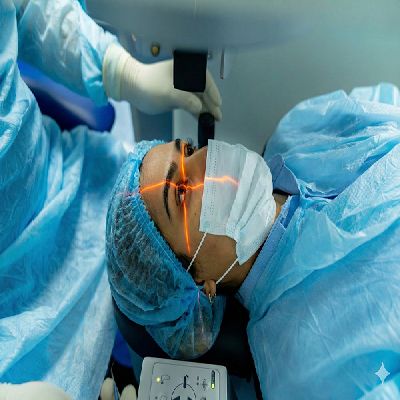
Femtosecond laser-assisted surgery, also known as robotic cataract surgery or AI-driven cataract surgery is an advanced and highly precise form of laser cataract surgery. In this technique, a computer-guided laser is used to perform key steps of the cataract procedure, including creating the corneal incision, opening the lens capsule, and softening the cloudy lens for easier removal.

This bladeless approach enhances accuracy, reduces manual dependency, and improves overall safety. It is especially beneficial for patients seeking premium outcomes and customised vision correction with advanced intraocular lenses (IOLs).

The Patient Journey


Consultations & Diagnosis

When To Start Evaluation?

Cataract evaluation is recommended when vision becomes blurred, hazy, or less sharp during daily activities like reading, driving, or using digital screens. While early-stage cataracts may be managed temporarily with glasses, they gradually progress and require timely medical attention for long-term clarity.

What Your Doctor Checks

  • Level of vision clarity and degree of lens clouding
  • Overall eye health, including the retina and cornea condition
  • Medical history, such as diabetes or long-term medications
  • Ideal timing and personalised plan for cataract treatment

Intraocular Lens (IOL)


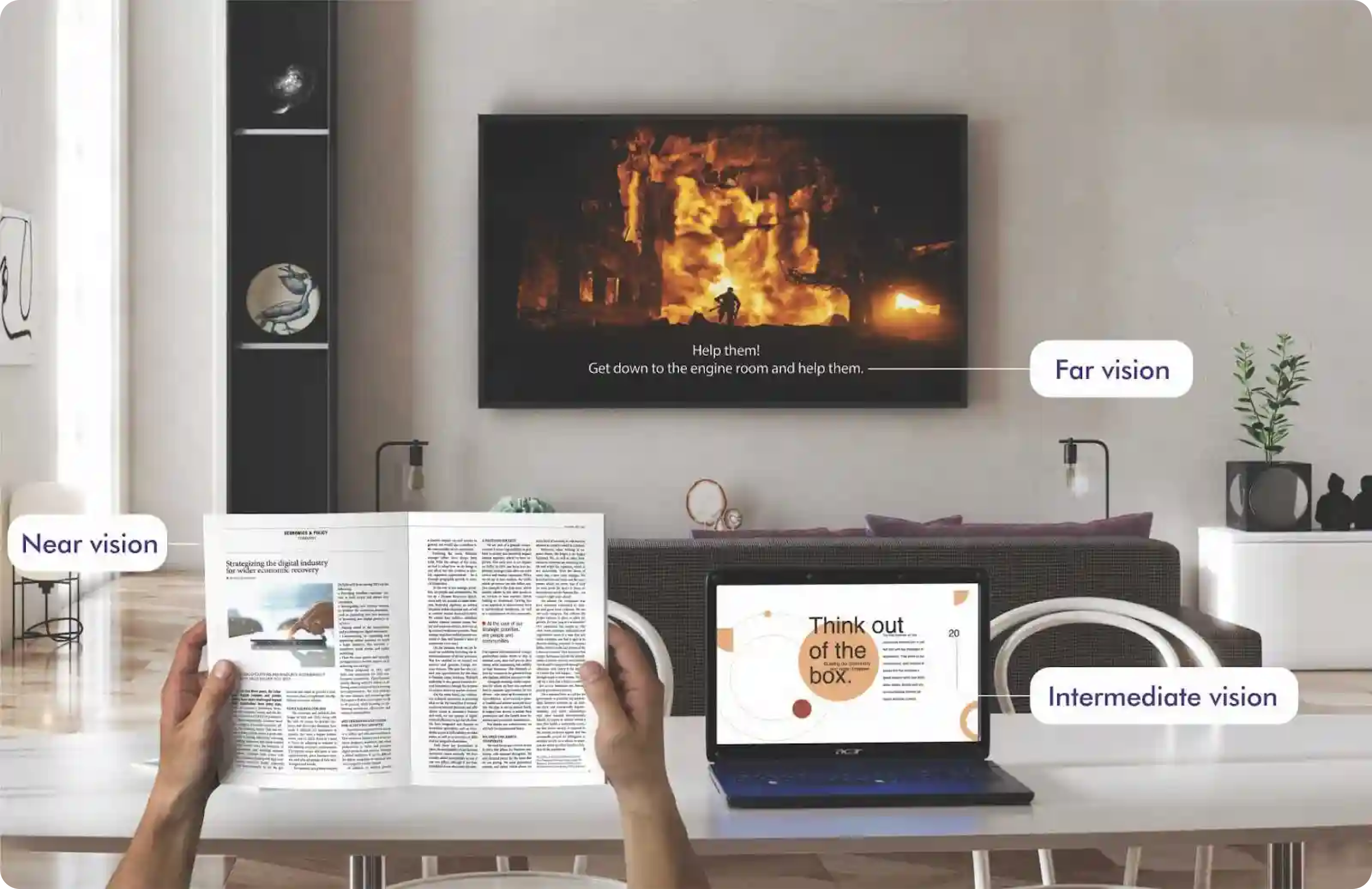
Vision types - near, intermediate and far vision illustration

Types of IOL & Their Benefits

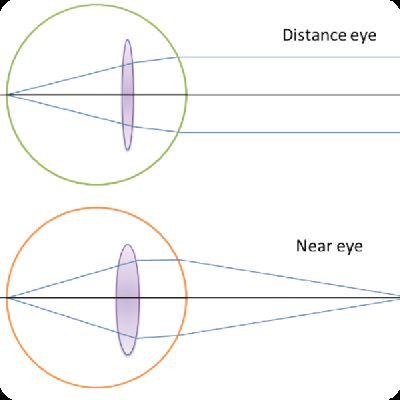
Monofocal lens diagram

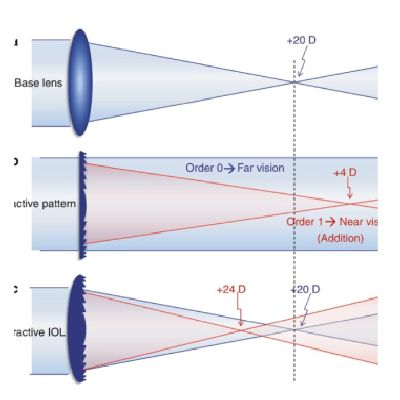
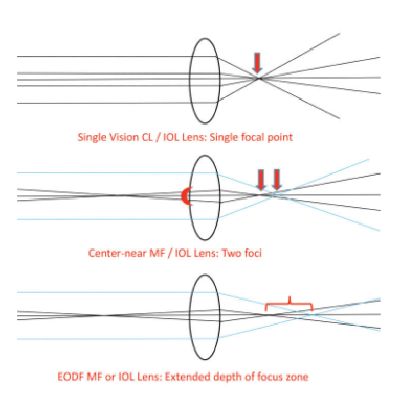
Function & Suitability: Monofocal lenses provide clear vision at a single fixed distance—usually distance vision. They are the most commonly used option in cataract eye surgery and are ideal for patients who are comfortable using glasses for near or intermediate tasks like reading or screen use.

Vision Benefits: Delivers sharp distance vision with high clarity and contrast. However, glasses may still be required for near and intermediate activities after cataract treatment, making it a practical and cost-effective choice.

Surgery Cost

Femto Cataract Surgery Cost

Technique

Femto + Monofocal

Femto + Bifocal / Trifocal

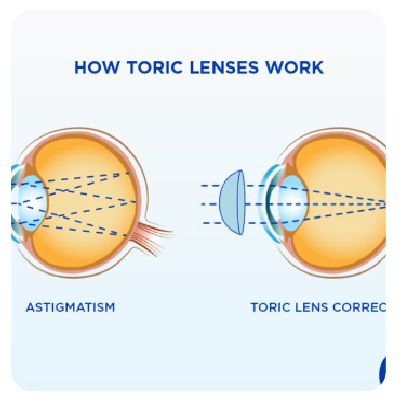
Femto + Toric

Femto + EDOF

Femto Upgrade Cost*

₹44,100

₹44,100

₹44,100

₹44,100

Total Cost (Surgery + IOL)

₹29,400 – ₹70,800

₹77,600

₹59,900 – ₹83,100

₹67,000 – ₹1,55,000

Benefits

Laser precision with predictable outcomes

Optimal multi-distance vision

Precise astigmatism correction

Smoother visual transitions

MICS / Phaco Cataract Surgery Cost

Technique

MICS + Monofocal

MICS + Bifocal / Trifocal

MICS + Toric

MICS + EDOF

Phaco + Trifocal

Cost

₹29,400 – ₹70,800

₹77,600

₹59,900 – ₹83,100

₹67,000 – ₹1,55,800

₹1,33,700 – ₹1,66,100

Benefits

Faster healing with clear distance vision

Clear vision at multiple distances

Astigmatism correction

Extended range of vision

Near, intermediate, and distance vision

  • Infection: Although rare, infection can occur after cataract eye surgery if proper hygiene is not maintained. This risk is minimised with prescribed antibiotic eye drops and by carefully following post-operative care instructions.
  • Swelling Or Inflammation: Mild swelling or inflammation may occur after the cataract procedure, especially in the early recovery phase. It is usually temporary and effectively managed with medication and routine follow-ups.
  • Posterior Capsule Opacification (PCO): Sometimes, the membrane behind the implanted lens becomes cloudy, leading to blurred vision. This condition is easily treated with a quick laser procedure, restoring clarity after cataract treatment.
  • Retinal Detachment: In rare cases, retinal detachment may occur after a cataract operation, particularly in high-risk patients. Immediate medical attention is required if symptoms like flashes or sudden vision loss appear.
  • Temporary Vision Changes: Some patients may experience mild blurriness, glare, or visual fluctuations after surgery. These changes are usually temporary and improve as the eye heals after cataract surgery.

Why Choose Centre For Sight?

Seamless Patient Journey

From consultation to recovery, we ensure a smooth and comfortable experience at every step.

Expert Surgeons

Our team of highly skilled surgeons bring decades of combined experience in advanced eye care procedures.

Precision Tech

We leverage the latest diagnostics and surgical technologies, setting new standards in the field of eye care.

Proven Reputation

With 30+ years of trust, 15 Lac+ happy patients, and 90+ centres across India.

Order
16

Testimonials

Hear It From Our Happy Patients.

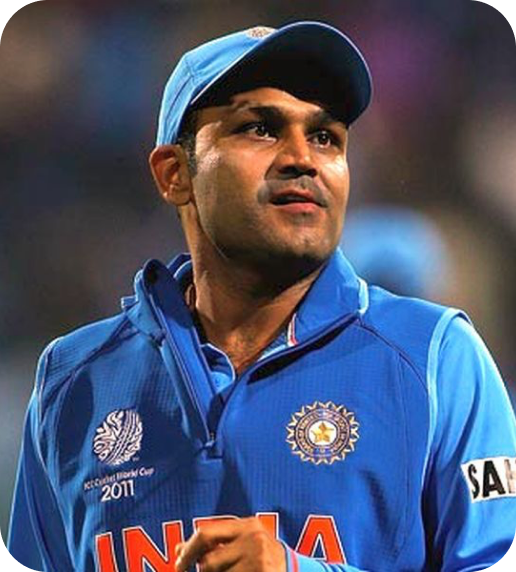
Virender Sehwag
We’ve been consulting Centre for Sight for over a decade. His expertise brings peace of mind to both patients and families. The staff is courteous and patient, guiding smoothly and ensuring comfort. Every visit is a pleasant, relieving experience.Dr. Mahipal Sachdev, take a bow to your leadership and vision!
Abhaya Gupta Founder & Chief Visionary Officer, Nanya Inc.

Chose CFS For Eye Care

Virender Sehwag
My Mother Recently Underwent Cataract Surgery With Prof. Dr. Mahipal S. Sachdev, And We Are Extremely Satisfied With The Care And Outcome. Heartfelt Thanks To Dr. Sachdev And The Entire Centre For Sight Team For Their Professionalism, Expertise, And Warm Support Throughout The Process.
Virender Sehwag Former Indian Cricketer

Chose CFS For Cataract Surgery

Virender Sehwag
Seven Years Back, I Used To Wear Eyeglasses And Contact Lenses, But Then I Got SMILE Eye Surgery Done At Centre For Sight. It Has Been A Life-Changing Experience For Me. I Highly Recommend Centre For Sight.
Bipasha Basu Actress

Chose CFS For SMILE Eye Surgery

Virender Sehwag
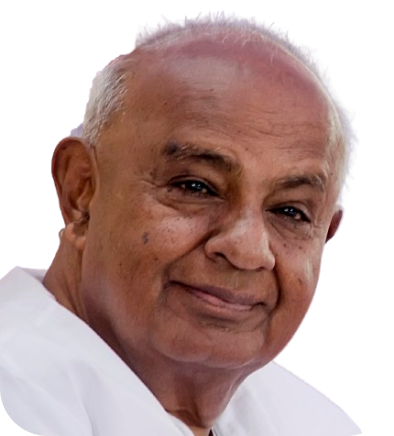
Highly appreciable of highest quality of care centre.Dr. Mahipal is an ophthalmologist of great excellence both in his caliber of work and his extremely courteous behavior. I wish him success of highest possible heights.
Shri H.D. Deve Gowda Former Prime Minister of India

Chose CFS For Eye Care

All Centres

Find The Nearest Eye Care Centre For Clearer Vision.

View All Our Centres

Frequently Asked Questions

Cataract Surgery Blogs

Could not find what you are looking for?

Request a Callback

+91